







What's Happening?
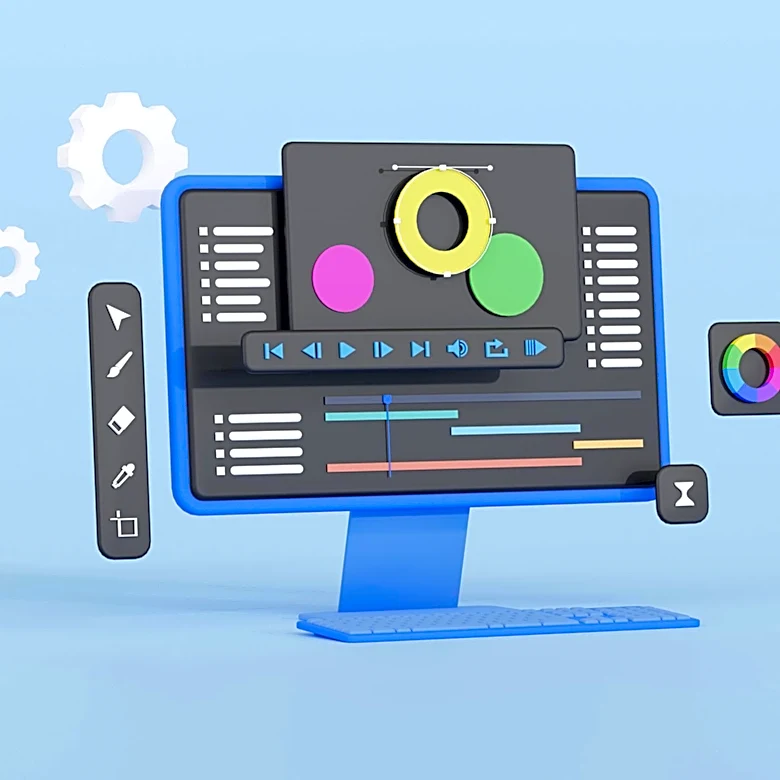
Tai TMS, a cloud-based transportation management system, is revolutionizing the freight brokerage industry by integrating various operational tasks into a single workflow. The system is designed specifically for freight brokers and third-party logistics
providers (3PLs) managing full truckload (FTL), less-than-truckload (LTL), and drayage operations. Tai TMS aims to eliminate duplicate data entry and expedite freight movement by combining quoting, booking, tracking, document management, auditing, and invoicing into one cohesive platform. The system's broker-focused automation allows for the automation of key tasks across the shipment lifecycle, including quoting, load coverage, tracking, document processing, accounting, reporting, and customer communication. Tai TMS also offers a broad partner ecosystem, connecting brokers to load boards, carrier onboarding tools, visibility providers, accounting platforms, and more, enabling teams to work from a centralized system.
Why It's Important?
The introduction of Tai TMS's cloud-based system is significant for the freight brokerage industry as it addresses the need for efficiency and reduced manual workload. By automating repetitive tasks and integrating various operational functions, Tai TMS helps brokerages protect their margins and scale operations without unnecessary complexity. This system enhances visibility and control across different modes of transportation, providing real-time tracking and simplified documentation processes. The integration with a wide range of partners further streamlines operations, reducing the need for brokers to switch between disconnected tools. As the logistics industry continues to evolve, systems like Tai TMS are crucial for maintaining competitiveness and meeting the growing demands for faster and more reliable freight services.
What's Next?
As Tai TMS continues to gain traction, it is likely that more freight brokerages will adopt this cloud-based system to enhance their operational efficiency. The system's flexibility and ability to be tailored to specific brokerage needs make it an attractive option for companies looking to modernize their operations. Additionally, the ongoing development of artificial intelligence and connectivity features within Tai TMS could lead to further innovations in freight management, potentially setting new industry standards. Stakeholders in the logistics sector, including carriers and shippers, may also need to adapt to these technological advancements to remain competitive.
Beyond the Headlines
The adoption of cloud-based systems like Tai TMS could have broader implications for the logistics industry, including shifts in workforce dynamics as automation reduces the need for manual data entry and other repetitive tasks. This technological shift may require a reevaluation of skill sets within the industry, with a greater emphasis on digital literacy and the ability to manage and interpret data-driven insights. Additionally, the increased efficiency and visibility provided by such systems could lead to more sustainable logistics practices, as companies optimize routes and reduce unnecessary freight movements.