






What's Happening?
Researchers estimate that 40–60% of women experience sleep problems during the menopause transition, often accompanied by hot flashes, mood shifts, and joint pain. The Study of Women's Health Across the Nation (SWAN) found insomnia symptoms in 31–42%
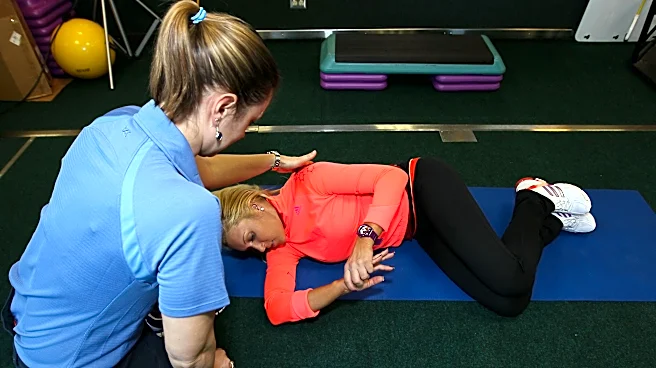
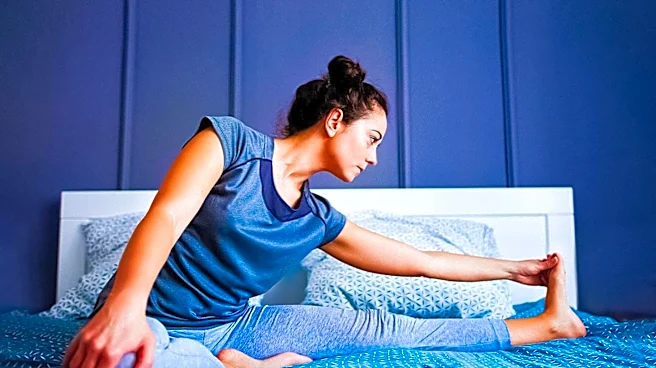
of perimenopausal women, with prevalence increasing in late perimenopause. These sleep disturbances are attributed to hot flashes and night sweats, fluctuating estrogen levels affecting body temperature and sleep, and increased stress loads during midlife. For Black women, the SWAN Sleep Study indicated worse sleep quality, linked to financial strain. While traditional advice often discourages evening workouts, a 2018 meta-analysis found that evening exercise does not harm sleep and may even increase deep sleep, with the exception of vigorous exercise ending within an hour of bedtime. A randomized controlled trial published in Maturitas showed that postmenopausal women who engaged in Pilates for 12 weeks experienced significant improvements in sleep quality, duration, and disturbances, along with reduced anxiety, depression, and fatigue.
Why It's Important?
This information is highly relevant for the significant portion of the U.S. female population experiencing menopause, offering a practical and accessible solution to a common and debilitating symptom: sleep disruption. Poor sleep can severely impact quality of life, productivity, and overall health. The research provides evidence-based support for gentle evening exercise, specifically Pilates, as a beneficial intervention. This is particularly important given the prevalence of sleep issues during menopause and the potential for long-term health consequences associated with chronic sleep deprivation. By highlighting a non-pharmacological approach, it empowers women to take an active role in managing their symptoms and promotes a holistic view of menopausal health. The distinction between vigorous and gentle exercise in the evening is also crucial for safe and effective implementation.
What's Next?
The findings suggest that healthcare providers and wellness professionals may increasingly recommend gentle evening Pilates or similar breath-led exercises as a strategy for improving sleep in menopausal women. Fitness studios and online platforms could develop specialized programs tailored to this demographic, focusing on gentle, restorative movements suitable for evening practice. Women experiencing menopausal sleep issues are likely to explore these exercise options, potentially leading to a greater demand for such classes and resources. Further research might investigate the specific mechanisms through which Pilates improves sleep in this population and explore its long-term benefits. There could also be a focus on developing personalized exercise recommendations based on individual menopausal symptoms and overall health profiles.
Beyond the Headlines
This research subtly challenges long-held beliefs about exercise timing and its impact on sleep, particularly for a specific demographic. It underscores the importance of nuanced advice, moving away from one-size-fits-all recommendations. The emphasis on breath-led movement in Pilates highlights the connection between physical activity and mental well-being, suggesting that practices integrating mindfulness can be particularly effective for managing menopausal symptoms. Furthermore, the acknowledgment of disparities in sleep quality among Black women due to financial strain points to broader socioeconomic factors influencing health outcomes during menopause, suggesting a need for more inclusive and equitable health interventions. This could lead to a more comprehensive understanding of menopausal health that considers not just biological changes but also lifestyle, psychological, and social determinants.