




What's Happening?
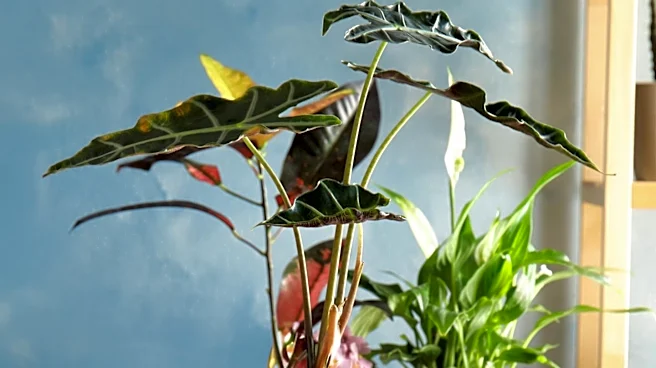
Christina Carter, a plant expert from The Plant People Shop in Oklahoma City, has provided crucial tips for preparing outdoor houseplants for their transition indoors as Oklahoma temperatures drop. Carter emphasizes that simply moving plants inside is not
enough; thorough preparation is required to protect them from cold weather and prevent pest infestations. Key recommendations include cleaning plant leaves to maximize sunlight absorption and checking the soil for insects. Repotting may be necessary if pests like ants are found in the soil. She advises placing plants in the brightest available spot indoors, rather than a garage. Carter also highlights the importance of adjusting watering schedules, noting that while indoor heating can dry out soil faster, plants generally use less water in winter, so soil may stay damp longer. She suggests checking soil moisture a couple of inches below the surface and reducing watering frequency, for example, from weekly to every other week.
Why It's Important?
This guidance is particularly important for U.S. residents, especially in states like Oklahoma, where significant temperature drops necessitate bringing outdoor plants indoors for winter. Failing to properly prepare plants can lead to pest infestations, disease, and plant death, resulting in financial losses for consumers and a diminished indoor environment. By following Carter's advice, homeowners can ensure their plants remain healthy and vibrant throughout the colder months, preserving their aesthetic value and the air-purifying benefits they provide. For local businesses like The Plant People Shop, offering such expertise and services, including repotting and pest checks, strengthens community engagement and supports sustainable plant ownership, reducing the need for frequent plant replacements.
What's Next?
As winter progresses, plant owners will need to continuously monitor their indoor plants for signs of stress, pests, or changes in watering needs. The Plant People Shop, and similar businesses, will likely continue to offer support and services for winter plant care. Educational efforts from local experts and gardening resources will remain crucial in helping the public adapt their plant care routines to seasonal changes. The long-term trend suggests a growing demand for expert advice and services as more people embrace indoor gardening and seek to maintain healthy plant collections year-round.
Beyond the Headlines
The seasonal transition of plants from outdoors to indoors reflects a broader human adaptation to environmental changes and the desire to maintain a connection with nature, even in controlled environments. This practice highlights the resilience of both plants and their caretakers, as adjustments are made to ensure survival and thriving. The emphasis on pest prevention and proper watering also touches upon the delicate balance of indoor ecosystems, where human intervention plays a critical role in maintaining health. Furthermore, the act of nurturing plants through challenging seasons can offer psychological benefits, providing a sense of purpose and continuity. This localized advice from an Oklahoma expert underscores the importance of regional knowledge in gardening, as climate and environmental factors vary significantly across the U.S., requiring tailored approaches to plant care.