


What's Happening?
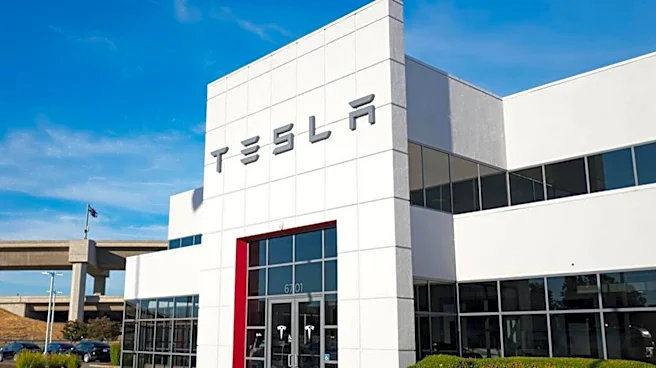
Two Tesla directors who were instrumental in designing Elon Musk's substantial pay package last year are now serving on the special committee tasked with negotiating Tesla's potential merger with SpaceX. This committee, chaired by Robyn Denholm, also
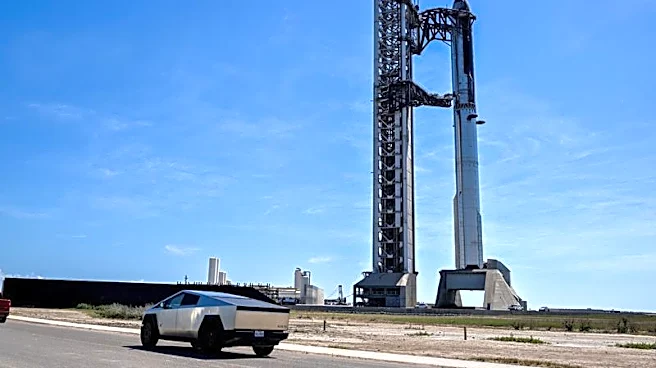
includes Kathleen Wilson-Thompson and Jack Hartung, and is advised by Evercore. Representing SpaceX in these discussions are Roelof Botha and Randy Glein, with Morgan Stanley and Goldman Sachs acting as their advisors. The proposed all-stock merger could create a combined entity valued at approximately $3.5 trillion, making it potentially the largest merger in history. SpaceX has confirmed in an SEC filing that both boards have established these committees, though no determination has been made by SpaceX's special committee. The Financial Times reports that the parties are working towards a year-end deadline, although an agreement is not yet close.
Why It's Important?
The involvement of directors who previously negotiated Elon Musk's pay package in the current merger talks raises significant questions about potential conflicts of interest and the independence of the negotiation process. The change-in-control terms of Musk's previous award could trigger a payout if a merger occurs, creating a scenario where the same committee that structured the award is now negotiating a transaction that could activate it. This situation is critical for Tesla's minority shareholders, as the special committee is intended to represent their interests when a controlling figure is involved on both sides of a deal. The outcome of these negotiations will not only determine the financial terms of a massive merger but also test the robustness of corporate governance structures in managing complex transactions involving intertwined leadership and ownership.
What's Next?
The ongoing negotiations are reportedly aiming for a year-end deadline, with a potential signing by December 31. This timing is notable as it would occur just days before the new Congress is sworn in on January 3. Any proposed deal would require approval from more than half of all outstanding Tesla shares, meaning uncast retail votes would count against it. Tesla's October proxy introduced an auto-vote program, which could influence the number of uncast retail votes. The merger is expected to undergo extensive regulatory review in Washington, Beijing, Brussels, and London, given Tesla's significant manufacturing presence in China and SpaceX's substantial U.S. military contracts. Robyn Denholm, chair of Tesla's special committee, is also up for re-election at Tesla's annual meeting on December 3, adding another layer of scrutiny to the ongoing talks.
Beyond the Headlines
The unique structure of this potential merger, where Elon Musk controls a significant portion of both companies, highlights the challenges in ensuring fair and independent negotiations. The concept of a 'special committee' is designed to protect minority shareholders in such scenarios, but the prior relationship between some committee members and Musk's compensation package complicates this role. This situation could lead to increased scrutiny from institutional investors and proxy advisors, who will be evaluating the committee's independence and the fairness of the proposed terms. The geopolitical implications of combining a company with deep ties to U.S. national security (SpaceX) and one with extensive operations in China (Tesla) are also profound, potentially leading to complex regulatory hurdles and international political considerations that extend beyond typical business merger reviews.