




What's Happening?
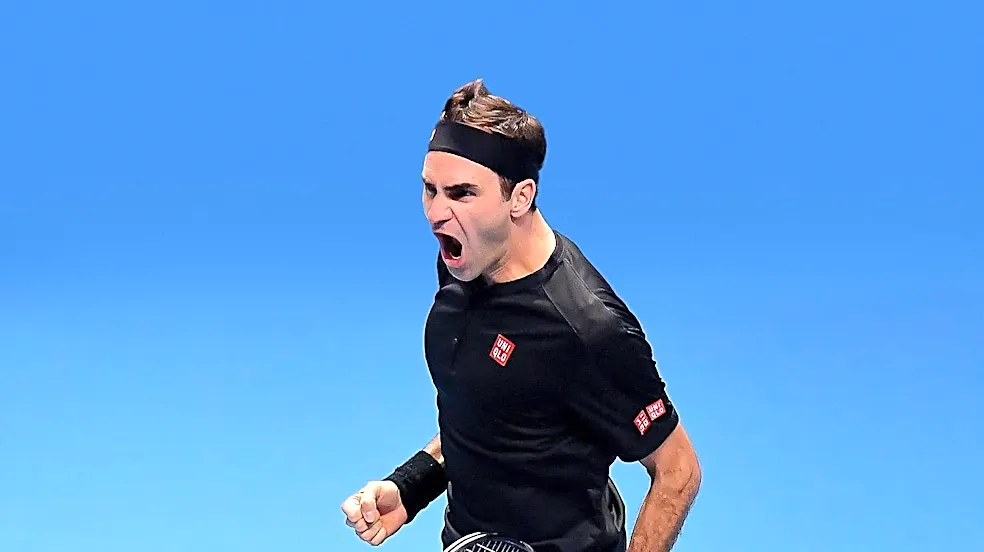
Roger Federer, a prominent figure in men's tennis, once expressed a desire for the ATP Finals championship match to revert to a best-of-five set format. This suggestion was made after his victory at the 2011 ATP Finals against Jo-Wilfried Tsonga. Federer believed
that longer matches would provide more entertainment for spectators, even if they were happy with his win. He recalled a meeting in Shanghai where players were polled on the format, and he was the sole advocate for best-of-five sets, while all other players preferred the best-of-three format. Despite acknowledging the potential health benefits for players in shorter matches, Federer maintained that a best-of-five final would enhance the year-end event. The ATP Finals, which began in 1970 as the Masters Grand Prix, has undergone several format and venue changes over its history. The championship match was contested in a best-of-five format until 2007, after which it transitioned to the current best-of-three sets.
Why It's Important?
Roger Federer's advocacy for a best-of-five set final at the ATP Finals highlights a recurring debate within professional tennis regarding player welfare versus spectator entertainment and historical tradition. His stance, though not adopted, underscores the tension between the physical demands placed on elite athletes and the desire to deliver a compelling, high-stakes spectacle for fans. A longer final could potentially increase viewership and revenue for the ATP Finals, as it would offer more drama and a greater test of endurance and skill. However, it also risks exacerbating player fatigue and increasing the likelihood of injuries, especially at the end of a long season. The players' collective preference for best-of-three sets reflects a pragmatic approach to managing their physical well-being, which is crucial for career longevity. This discussion impacts the strategic direction of professional tennis, influencing decisions on tournament formats, scheduling, and ultimately, the fan experience and the health of its top athletes.
What's Next?
While Roger Federer's suggestion was not adopted at the time, the debate over match formats in professional tennis is ongoing. Future discussions within the Association of Tennis Professionals (ATP) may revisit the balance between player health, competitive integrity, and fan engagement. Any potential changes to the ATP Finals format would likely involve extensive consultation with players, tournament organizers, and broadcasters. Factors such as player feedback on physical strain, evolving sports science insights, and market research on fan preferences would all play a role in such decisions. The ATP might explore alternative formats or scheduling adjustments to enhance the event without unduly burdening players. However, given the historical preference of the majority of players for the current best-of-three format in finals, a significant shift back to best-of-five sets for the ATP Finals appears unlikely in the near future without a substantial change in player sentiment or compelling new data supporting such a move.
Beyond the Headlines
The discussion surrounding match length in tennis extends beyond mere entertainment; it touches upon the very nature of athletic competition and the evolving demands of professional sports. The shift from best-of-five to best-of-three sets in many tournaments, including the ATP Finals, reflects a broader trend in sports to optimize events for television broadcasting and to mitigate the physical toll on athletes. This trend raises questions about the historical prestige associated with longer formats, particularly in Grand Slams, and whether the essence of endurance and mental fortitude is being diluted. Furthermore, the differing opinions among players, as exemplified by Federer's solitary stance, highlight the individualistic nature of professional tennis and the challenges in achieving consensus on collective issues. This ongoing dialogue influences how tennis is perceived by both traditionalists and new audiences, shaping its future trajectory in a competitive global sports landscape.