





What's Happening?
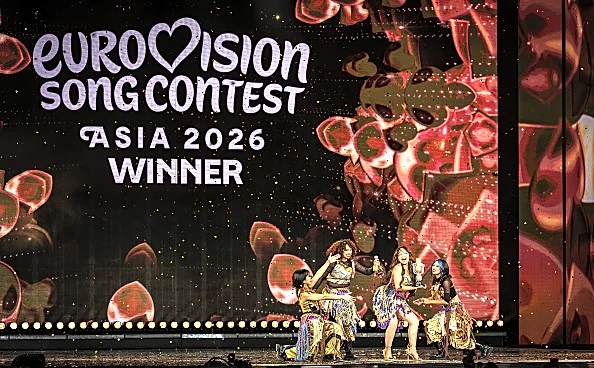
The European Broadcasting Union (EBU) has expressed surprise and disappointment regarding alleged censorship during the inaugural Eurovision Asia 2026 broadcast in Malaysia. Malaysian broadcaster TV3 reportedly removed footage featuring LGBTQ+ personalities,
including the Philippines' drag queen spokesperson, Vice Ganda, and other drag performers during the opening number. While the international broadcast showed Vice Ganda announcing the Philippines' jury points, Malaysian viewers were reportedly shown only the scoreboard. Additionally, scenes of drag performers on street food carts during the opening number were allegedly replaced with a wide camera shot from rehearsals. The EBU is seeking clarification from Voxovation, the production company for Eurovision Asia, which is in turn investigating the matter with TV3. This incident raises questions about the competition's commitment to diversity and inclusion in countries with differing cultural attitudes.
Why It's Important?
This incident is important as it highlights the challenges faced by international cultural events like Eurovision when expanding into regions with diverse social norms and broadcasting regulations. The EBU's commitment to diversity and inclusion, a core value of the Eurovision Song Contest, is being tested. If confirmed, the censorship by TV3 could set a precedent for how future international broadcasts navigate cultural sensitivities versus universal values. For LGBTQ+ communities globally, such censorship can be seen as a setback for representation and acceptance. The EBU's response and any subsequent actions will be crucial in defining the boundaries of cultural exchange and artistic freedom within the Eurovision brand, potentially influencing future participation and broadcasting agreements in other countries.
What's Next?
The EBU has requested clarification from Voxovation, the producers of Eurovision Asia, who are currently investigating the incident with Malaysian broadcaster TV3. It remains unclear whether TV3 violated its broadcasting agreement or if any consequences will follow. The outcome of this investigation will likely determine if further action is taken by the EBU or Voxovation. This situation could lead to a re-evaluation of broadcasting agreements and guidelines for future Eurovision Asia events, particularly concerning content related to diversity and inclusion. The incident also prompts a broader discussion on how international cultural events can maintain their core values while respecting local regulations and cultural sensitivities in different regions.
Beyond the Headlines
The alleged censorship in Malaysia touches upon deeper ethical and cultural dimensions surrounding media representation and freedom of expression. The incident echoes a similar situation in 2018 when China's Mango TV censored LGBTQ+-related imagery during its Eurovision broadcast, leading to the termination of its partnership with the EBU. This pattern suggests a recurring tension between the Eurovision brand's message of diversity and the broadcasting standards of certain nations. The controversy could trigger long-term shifts in how international media organizations approach content distribution in culturally sensitive markets, potentially leading to more explicit contractual clauses regarding content integrity or a re-evaluation of market expansion strategies. It also underscores the ongoing global debate about LGBTQ+ rights and visibility in media.