

What's Happening?
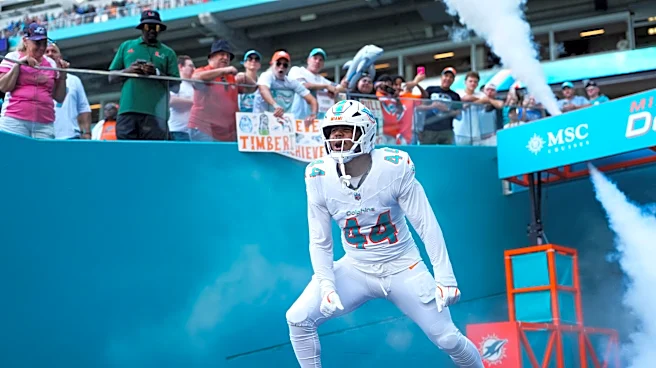
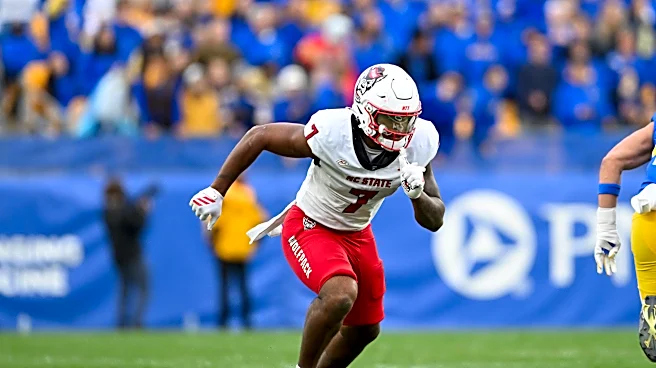
Rookie Kyle Louis, initially drafted as a linebacker by the Miami Dolphins, has officially transitioned to safety for the upcoming regular season. This move was confirmed by Louis himself to reporters on Friday, despite being listed as a linebacker on the team's
official depth chart throughout the preseason. Louis had been taking safety reps since mid-August, and the switch has now been made permanent. General Manager Jon-Eric Sullivan described Louis's anticipated role as a 'Joker,' indicating he will not be a traditional deep safety but rather a versatile player who can line up in the box, in the slot, and on the back end depending on the defensive package. Louis, a fourth-round pick out of Pittsburgh, noted that the most challenging aspect of this transition is catching up on the extensive playbook from a new positional perspective. His college career at Pittsburgh saw him play a hybrid role, with significant snaps in the box, on the line of scrimmage, and in the slot, accumulating 182 tackles, 10.0 sacks, and six interceptions over his final two seasons.
Why It's Important?
This positional change for Kyle Louis is significant for the Miami Dolphins as it addresses a perceived weakness in their safety room, which currently has limited career starts among its players. The team traded Minkah Fitzpatrick this offseason and has largely rebuilt the position with a mix of a 29-year-old special-teamer, a second-year player, and two Day 3 rookies. Louis's versatility, as highlighted by Assistant General Manager Kyle Smith during the draft, allows him to fill multiple roles, potentially providing much-needed depth and flexibility in the secondary. His ability to play as a 'big nickel' or 'dime linebacker' could be crucial in sub-packages against tight-end-heavy formations and on obvious passing downs. This move also suggests the Dolphins are prioritizing speed and adaptability in their defensive scheme, aiming to create mismatches and enhance their pass coverage capabilities. The competition in the safety room is intense, with Louis joining Zayne Anderson, Dante Trader Jr., Michael Taaffe, and Major Burns, indicating the team's commitment to finding the most effective combination for their defensive backfield.
What's Next?
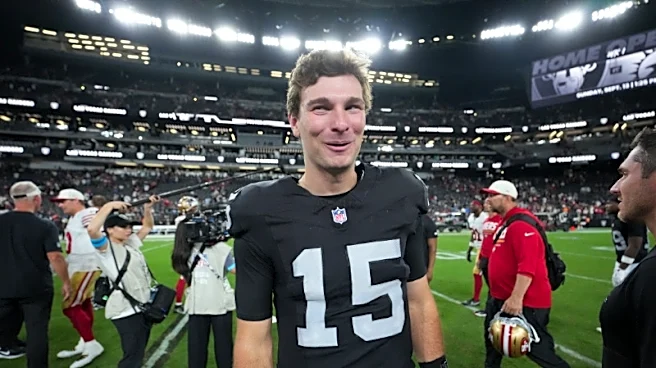
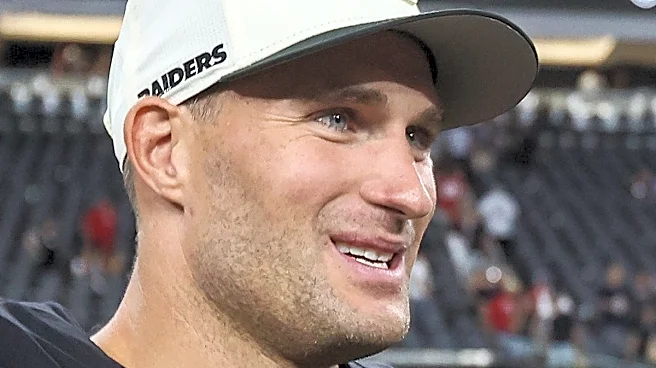
Kyle Louis will continue to immerse himself in the safety playbook, attending meetings for both linebacker and safety positions to fully grasp the defensive schemes from his new role. His initial contributions are expected to be primarily on special teams, allowing him time to adapt to the defensive installs. In terms of defensive snaps, Louis is likely to be utilized in sub-packages, specifically in 'big-nickel' looks against specific offensive formations, rather than immediately stepping into a starting role. The Dolphins' first test will be against the Las Vegas Raiders, led by veteran quarterback Kirk Cousins, which will provide a demanding opener for a relatively inexperienced safety group. The team is also awaiting the announcement of team captains, which could offer further insight into how the coaching staff views the leadership and development of its youngest position groups. The ongoing competition and development of players like Louis will be closely watched as the season progresses, with the potential for his role to expand as he becomes more comfortable with the new position.
Beyond the Headlines
The Dolphins' decision to move Kyle Louis to safety reflects a broader trend in the NFL towards positionless defenders who can adapt to various roles based on offensive schemes. This 'Joker' role, as described by General Manager Jon-Eric Sullivan, emphasizes versatility and intelligence, allowing defensive coordinators to deploy players in dynamic ways to counter modern offenses. Louis's background as a high school safety who converted to linebacker in college, combined with his size (6-foot, 220 pounds), makes him an ideal candidate for this hybrid position, as he might be undersized for a full-time box linebacker role in the NFL. This strategic shift highlights the increasing importance of coverage skills and speed in the modern game, even for players traditionally associated with front-seven responsibilities. The success of this transition could influence future draft strategies and player development approaches across the league, as teams seek to maximize the utility of their athletic talent in increasingly complex defensive systems.