



What's Happening?
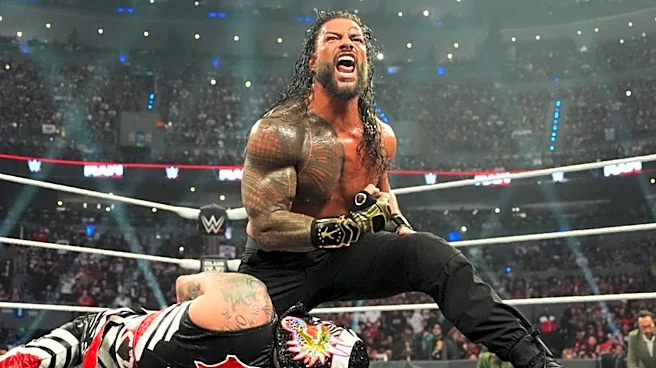
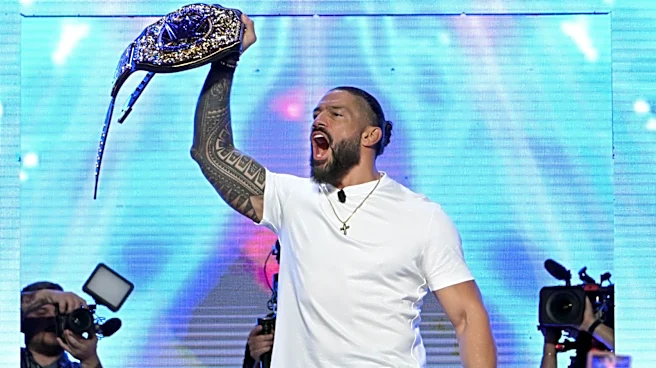
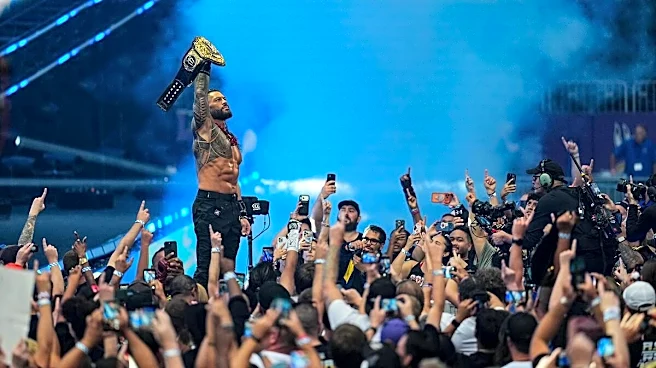
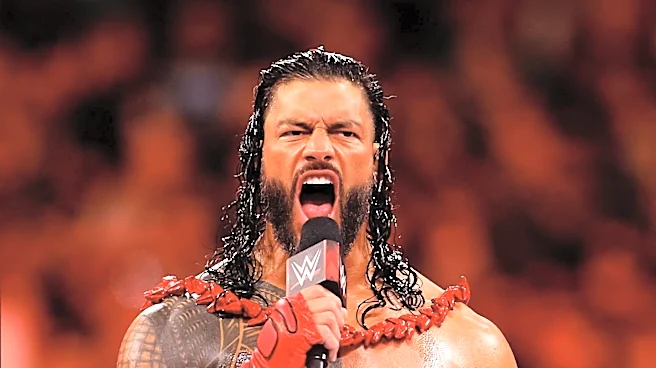
Roman Reigns, the current World Heavyweight Champion in WWE, has voiced concerns regarding the company's modern 'bus system' and its impact on the development of younger wrestlers. According to Reigns, this system prevents newer talent from having the same
access to established veterans that previous generations enjoyed. He explained in an interview with 'Complex' that his own changing role and the private bus arrangements for top stars mean he is no longer consistently present in the general locker room. This limits the informal mentorship opportunities that were once common, where younger wrestlers could learn from veterans like The Undertaker, who previously had a 'godfather effect' by being regularly present in the locker room. Reigns believes that while he has a responsibility to help the next generation, the current setup makes it difficult for them to tap into his experience and mindset outside of in-ring interactions.
Why It's Important?
This issue highlights a significant shift in the operational culture of WWE, potentially affecting the long-term development and quality of its talent roster. The lack of informal mentorship, as described by Roman Reigns, could lead to a less experienced and less polished generation of wrestlers. Historically, direct interaction with seasoned professionals has been crucial for transmitting industry knowledge, performance nuances, and professional conduct. If younger talent cannot easily access the wisdom of veterans, it might hinder their ability to develop into top-tier performers, potentially impacting the overall entertainment value and competitive landscape of WWE. This could also affect the company's ability to cultivate future main event stars who possess the depth and understanding gained from such mentorship, ultimately influencing fan engagement and revenue.
What's Next?
While Roman Reigns has identified the problem, the source does not specify any immediate plans for WWE to address the 'bus system' or implement new mentorship programs. However, Reigns' comments suggest a desire to find alternative ways to pass on his experience, possibly through more structured in-ring work or other initiatives. The company might consider re-evaluating its touring logistics or creating formal mentorship programs to bridge this gap. Reactions from other veterans and younger wrestlers could also emerge, potentially leading to internal discussions within WWE about how to foster better interaction and knowledge transfer between different generations of talent. The long-term impact will depend on whether WWE acknowledges this concern and takes steps to adapt its operational model to support talent development.
Beyond the Headlines
The critique of WWE's 'bus system' by Roman Reigns extends beyond mere logistical arrangements; it touches upon the evolving nature of professional environments and the challenges of maintaining traditional mentorship in modern corporate structures. In many industries, the shift towards more individualized work arrangements and reduced communal spaces can inadvertently diminish opportunities for informal learning and knowledge transfer. This situation in WWE reflects a broader societal trend where the benefits of spontaneous interaction and organic mentorship are often overlooked in favor of efficiency or individual comfort. The ethical implication lies in ensuring that the pursuit of convenience for top performers does not inadvertently disadvantage the development of emerging talent, which is crucial for the sustained health and future of any organization, especially one reliant on continuous talent regeneration like professional wrestling.