





What's Happening?
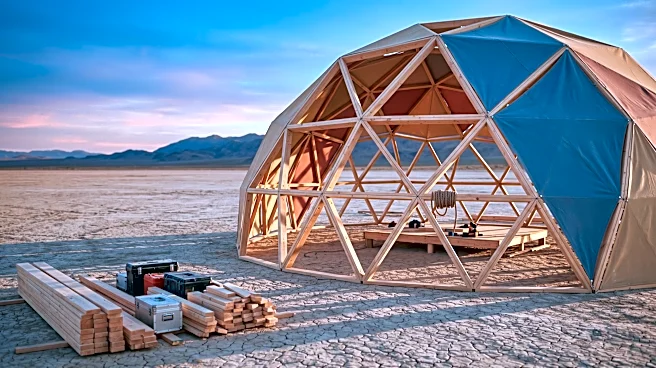
The Burning Man festival relies heavily on a dedicated network of unpaid volunteers who begin working weeks before the event officially starts. These individuals contribute to various essential functions, from serving coffee and managing theme camps to cleaning
porta-potties and acting as park rangers. Many volunteers take on behind-the-scenes roles crucial for the operation of Black Rock City, the temporary metropolis created for the festival. The Burning Man Volunteer Network facilitates these opportunities, allowing individuals with diverse skill sets and experience levels to participate. Some volunteers, like Mia, start with basic tasks and advance to more significant roles, such as serving on the Council of Rising Sparks. Others, like Christine, leverage professional planning and problem-solving skills from their careers, such as tour management, to contribute to the festival's logistical needs. The appeal for many volunteers lies in the opportunity to learn new skills, take on responsibilities they might not typically pursue, and be part of the community before the main event begins, experiencing the playa in a unique, less crowded setting.
Why It's Important?
The extensive volunteer network at Burning Man underscores a significant operational model that deviates from traditional event management. This reliance on unpaid labor highlights a community-driven ethos where participants are also contributors, fostering a deeper sense of ownership and collective responsibility for the event's success. This model allows Burning Man to maintain its unique cultural identity and scale, as the sheer volume and diversity of tasks required would be financially prohibitive if entirely paid. The volunteer system also provides a unique platform for personal growth and skill development, as individuals are encouraged to step outside their comfort zones and take on new challenges. This approach can inspire other large-scale community events or temporary urban projects to explore similar decentralized, participant-driven organizational structures, potentially reducing costs and enhancing community engagement. The dedication of these volunteers is critical for the festival's continued existence and its ability to host tens of thousands of participants annually.
What's Next?
As Burning Man continues to evolve, the role of its volunteer network will likely remain central to its operational strategy. Future developments may include further formalization of volunteer training programs to enhance efficiency and safety, especially as the event grows in complexity and scale. There could also be increased efforts to recruit volunteers with specialized skills, such as those in infrastructure management, emergency services, or advanced technical fields, to address the growing demands of Black Rock City. The festival organizers may also explore new ways to recognize and reward volunteers, beyond the intrinsic satisfaction of participation, to ensure continued engagement and commitment. Additionally, the volunteer model could serve as a case study for other large-scale temporary communities or events looking to build robust, self-sustaining operational frameworks, potentially leading to the sharing of best practices and innovative volunteer management strategies across different sectors.
Beyond the Headlines
The volunteer-driven nature of Burning Man extends beyond mere operational necessity; it reflects a core philosophical tenet of the event: radical self-reliance and communal effort. This model challenges conventional notions of consumerism and passive participation, instead promoting active co-creation and shared responsibility. Ethically, it raises questions about the boundaries between participation and labor, especially given the significant time and effort volunteers invest without monetary compensation. However, for many, the value derived is experiential and communal, fostering a unique sense of belonging and purpose. Culturally, the volunteer network reinforces the idea of a temporary, utopian society built on collective action, where individuals contribute their skills for the greater good of the community. This aspect of Burning Man offers a compelling alternative to market-driven models of organization, highlighting the power of intrinsic motivation and community spirit in achieving complex logistical feats and fostering a unique cultural phenomenon.