


What's Happening?
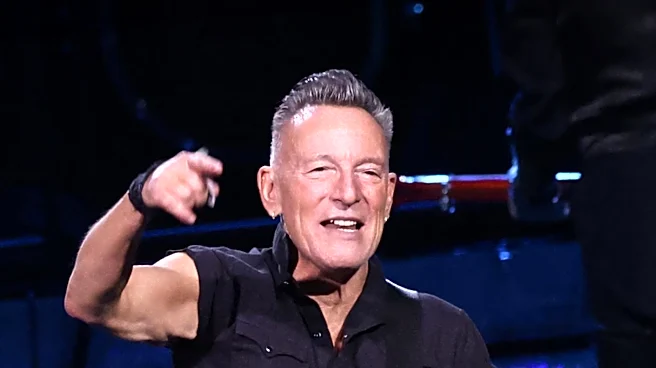
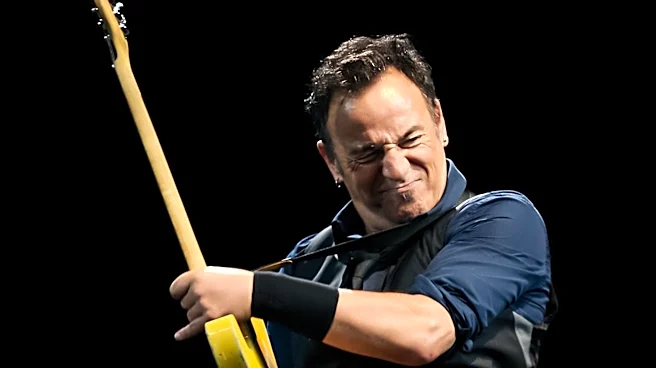
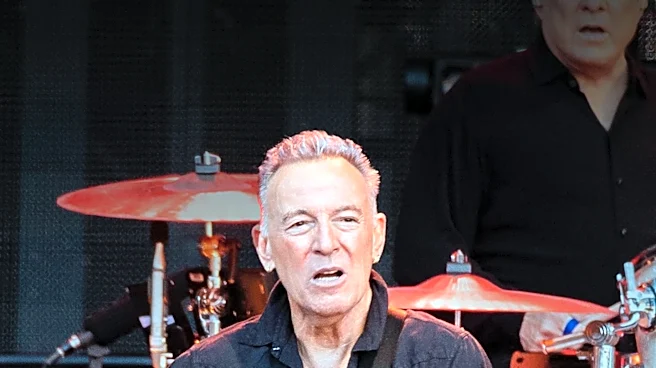
A documentary film is being produced to commemorate Bruce Springsteen's legendary concert in East Berlin on July 19, 1988. This concert, held at Radrennbahn Weissensee, drew an audience of up to 300,000 people, making it his largest ever. The film will
feature new interviews with Springsteen, his wife and E Street Band member Patti Scialfa, manager Jon Landau, and other E Street Band members like Stevie Van Zandt and Max Weinberg. Beyond reflections from those involved in the performance, the documentary will also include fan testimonials, footage from Springsteen's tour at the time, and documents from the East German intelligence agency, the Stasi. The concert, which took place just 16 months before the fall of the Berlin Wall, was a significant cultural event in a then-closed society, with Springsteen performing a 32-song set that opened with 'Badlands' and concluded with 'Twist and Shout' interwoven with 'Having a Party.'
Why It's Important?
This documentary highlights a pivotal moment in both music history and geopolitical shifts. Springsteen's concert in East Berlin, drawing such a massive crowd from a society under strict communist rule, symbolized a yearning for Western culture and freedom. The event's timing, shortly before the fall of the Berlin Wall, underscores its significance as a precursor to the broader societal changes that swept through the communist bloc. The inclusion of Stasi documents offers a unique historical perspective on how authorities perceived and managed such a large-scale Western cultural event. For American audiences, it provides insight into the cultural impact of U.S. artists on international relations and the role of music in challenging political divides, demonstrating the power of cultural exchange even in highly controlled environments.
What's Next?
The documentary, produced by Legendary Entertainment in collaboration with Sony Music Video and Passion Pictures, is currently in production. Directed and produced by Nicholas de Taranto and Danielle Peck, who have prior experience with music-related projects, the film does not yet have an official release date. Once released, it is expected to offer a comprehensive look at the concert's planning, execution, and lasting impact, drawing on a variety of perspectives from performers, attendees, and historical records. The film will likely be distributed internationally, allowing a global audience to revisit this historic event and its cultural implications.
Beyond the Headlines
The East Berlin concert transcends a typical musical performance; it represents a powerful instance of cultural diplomacy, albeit unofficial, during the Cold War. The sheer scale of the audience in a tightly controlled state like East Germany suggests a deep-seated desire for connection with the outside world, which Western music, particularly rock and roll, often embodied. The documentary's exploration of Stasi documents could reveal the internal anxieties and strategies of the East German regime in response to such a massive gathering, offering a glimpse into the mechanisms of state control and the subtle ways they were challenged. This event underscores the enduring power of music as a universal language capable of bridging political divides and inspiring hope for change, even in the most restrictive environments.