






What's Happening?
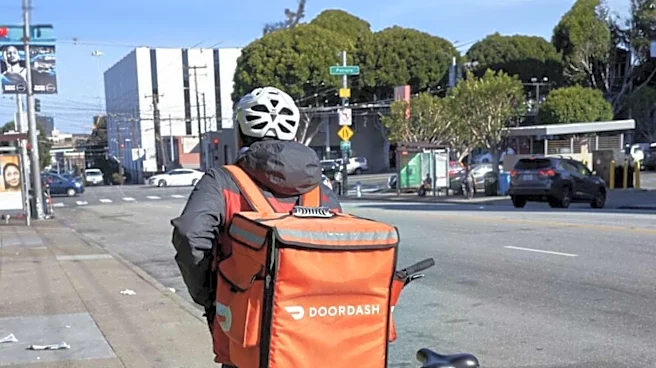
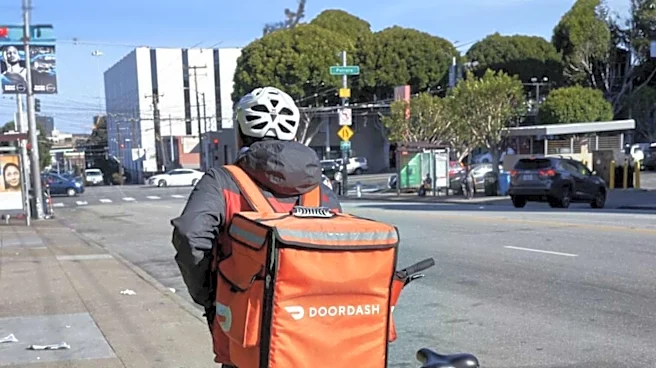
DoorDash has made a $17 billion offer to acquire Instacart, a move that could significantly consolidate the grocery delivery market in the U.S. and internationally. Instacart, founded in 2012, specializes in grocery and convenience store delivery across
the U.S. and Canada. DoorDash has stated that the Instacart brand and app would continue to operate, and Instacart's 600,000 independent contractor shoppers would retain their roles. This acquisition would allow consumers currently paying for separate DashPass and Instacart+ memberships to consolidate to a single fee, offering free delivery on most orders and other benefits. Additionally, Instacart customers would gain access to an extra 50,000 stores available on DoorDash's platform. DoorDash's co-founder and CEO, Tony Xu, indicated that the deal aims to help local grocers better compete with larger retailers like Walmart, Costco, and Amazon by providing them with advanced technology and efficient delivery capabilities. The proposed merger is expected to be finalized by late 2027 or early 2028, pending approval from Instacart shareholders and government regulators.
Why It's Important?
This proposed acquisition is significant for the U.S. delivery market as it would create a dominant force in both restaurant and grocery delivery. DoorDash's share of U.S. delivery platforms has grown from 44% to 59% over the past five years, while Instacart's share has decreased from 26% to 18% in the same period, according to Consumer Edge. The merger would allow DoorDash to further expand its reach in the grocery sector, where it began deliveries in 2020 and has recently secured partnerships with major chains like Kroger and Costco. For consumers, the deal could simplify subscription services and expand store access. For retailers, particularly smaller grocers, the combined entity promises enhanced technological infrastructure and delivery networks to compete against larger players. However, it also raises questions about market concentration and potential impacts on competition within the delivery industry, as the combined entity would face less direct competition from other platforms like Uber Eats.
What's Next?
The proposed $17 billion acquisition of Instacart by DoorDash is subject to approval by Instacart shareholders and government regulators. The companies anticipate the deal to close by the end of 2027 or in early 2028. During this interim period, DoorDash has instructed its employees not to connect with Instacart employees on LinkedIn or other social media platforms to prevent 'gun-jumping' – actions that could imply the merger is already complete before regulatory approval. This measure is intended to ensure both companies continue to operate as independent competitors until the deal is finalized, avoiding potential antitrust issues. Regulators will likely scrutinize the deal for its potential impact on market competition, given the significant market share held by both companies in their respective delivery sectors. The outcome of these regulatory reviews will determine the future landscape of the U.S. food and grocery delivery industry.
Beyond the Headlines
The potential merger between DoorDash and Instacart extends beyond immediate market consolidation, touching upon broader implications for the gig economy and retail competition. The combined entity would control a vast network of independent contractors, raising questions about labor practices, worker classification, and potential impacts on earnings and benefits for delivery drivers. From a retail perspective, the deal could further entrench third-party delivery platforms as essential partners for grocers, potentially increasing their reliance on these services while also offering them advanced tools to compete with e-commerce giants. The ethical considerations around data privacy and consumer choice will also come to the forefront, as a larger, more integrated platform would collect extensive data on consumer purchasing habits across both restaurant and grocery sectors. This consolidation could reshape how local businesses operate and interact with digital marketplaces, influencing long-term trends in retail and logistics.