



What's Happening?
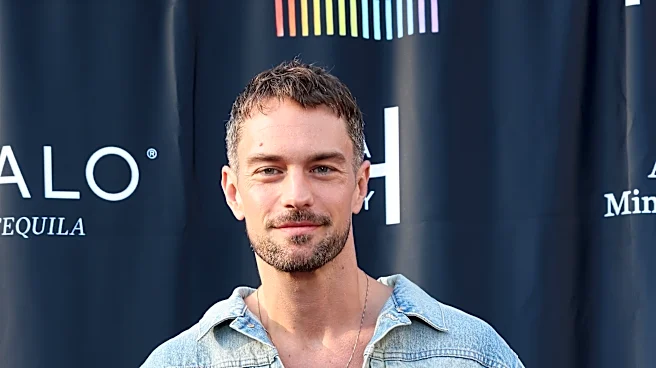
Actor Dylan Sprouse, known for his role in 'The Suite Life of Zack & Cody', disclosed that he received only a five-cent residual check from his appearance in a 2006 crossover episode with 'Hannah Montana'. During a podcast discussion, Sprouse stated that this
was the only residual payment he ever received from the popular Disney Channel sitcom. The episode, titled 'That's So Suite Life of Hannah Montana', was a three-part special that connected 'That's So Raven', 'The Suite Life of Zack & Cody', and 'Hannah Montana'. Despite the show's significant popularity during the mid-2000s, Sprouse expressed frustration over the minimal residuals, highlighting a common issue faced by actors in the industry.
Why It's Important?
Dylan Sprouse's revelation sheds light on the contentious issue of residual payments in the entertainment industry, particularly for actors in highly successful shows. A five-cent check for an episode of a widely syndicated and popular series underscores the financial disparities and often inadequate compensation structures for performers, especially from older contracts. This issue has been a central point of contention in recent labor disputes, such as the WGA and SAG-AFTRA strikes, where fair residual payments for streaming content were a key demand. Sprouse's experience highlights how even actors from hit shows can receive negligible long-term earnings, impacting their financial stability and career sustainability.
Beyond the Headlines
The anecdote about the five-cent residual check goes beyond a single actor's experience; it symbolizes a systemic problem within the entertainment industry regarding artist compensation. The shift from traditional broadcast television to streaming platforms has further complicated residual calculations, often leading to reduced payments for creators and performers. This situation raises ethical questions about how profits are distributed in an industry that heavily relies on creative talent. It also fuels ongoing debates about intellectual property rights, fair labor practices, and the need for updated contractual agreements that reflect the current media landscape, ensuring artists are adequately compensated for their work's enduring value.