




What's Happening?
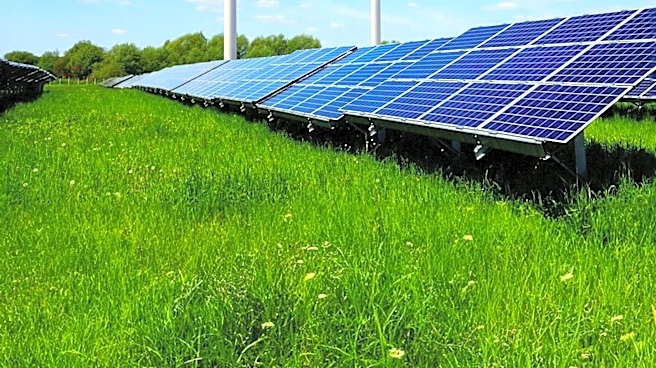
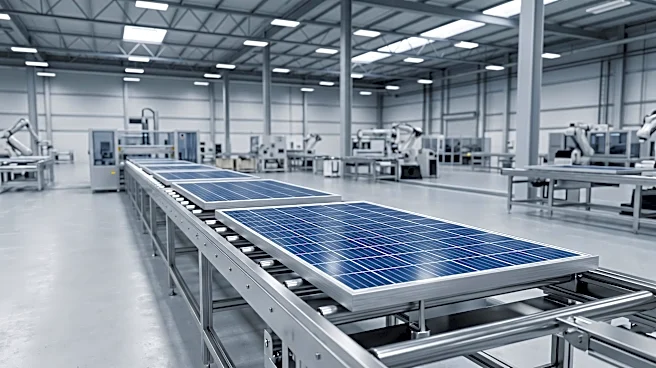
Silfab Solar is nearing the full resumption of solar panel manufacturing at its Fort Mill facility, which includes processes utilizing industrial chemicals. This development follows a halt in operations earlier this spring due to chemical releases at the plant.
The company has successfully completed and submitted all necessary environmental compliance reviews to restart the affected manufacturing segments. According to The Rock Hill Herald, Silfab Solar plans to provide county and state officials with 72 hours' notice before initiating the restart, with operations potentially resuming as early as October 18. The facility's manufacturing activities have been a subject of ongoing debate in Fort Mill over the past three years, primarily due to the industrial chemicals involved and the plant's proximity to residential areas and schools.
Why It's Important?
The impending restart of Silfab Solar's Fort Mill facility carries significant implications for both the local community and the broader U.S. solar manufacturing sector. For residents and local officials in Fort Mill, concerns persist regarding the plant's handling of industrial chemicals and its location near homes and schools. This situation highlights the ongoing tension between industrial development and community safety, particularly in areas with growing populations. From an economic perspective, the full resumption of operations by Silfab Solar, a key player in solar panel manufacturing, could contribute to the domestic supply chain for renewable energy. However, it also underscores the regulatory challenges and public scrutiny faced by industries that use hazardous materials, emphasizing the need for stringent environmental oversight and transparent communication with affected communities.
What's Next?
Silfab Solar is expected to provide a 72-hour notification to county and state officials before restarting its manufacturing processes, with the earliest potential restart date being October 18. This notification period will be a critical window for local authorities and residents to prepare for the resumption of operations. Moving forward, the company will likely face continued scrutiny regarding its environmental practices and chemical management protocols, especially given the past incidents and ongoing community concerns. Local officials and environmental agencies will be closely monitoring the plant's adherence to compliance standards. The situation may also prompt further discussions and potential policy adjustments at the local and state levels concerning industrial zoning, chemical safety regulations, and community engagement for facilities located near residential areas.
Beyond the Headlines
The situation with Silfab Solar in Fort Mill extends beyond immediate operational concerns, touching upon broader themes of environmental justice and sustainable industrial growth. The debate surrounding the plant's chemical use and its proximity to schools and homes highlights the ethical considerations of industrial placement in developing communities. It raises questions about the balance between economic development, job creation, and the health and safety of residents. This case could serve as a precedent for how similar industrial projects are evaluated and regulated in the future, particularly in the context of the growing renewable energy sector. It also underscores the importance of robust public participation and transparent communication from corporations and regulatory bodies to build trust and ensure community well-being alongside industrial progress.