







What's Happening?
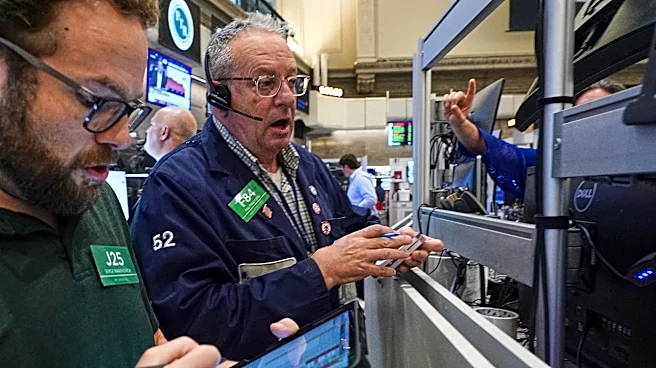
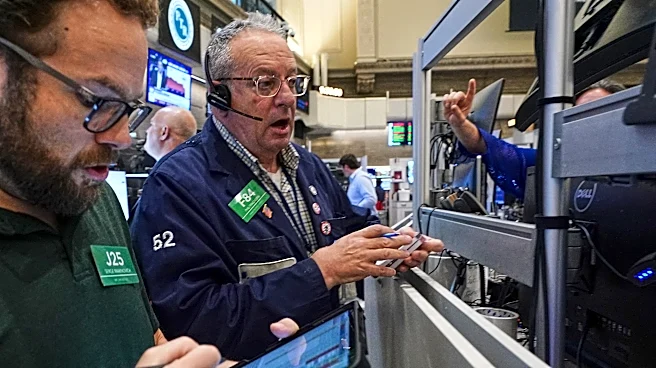
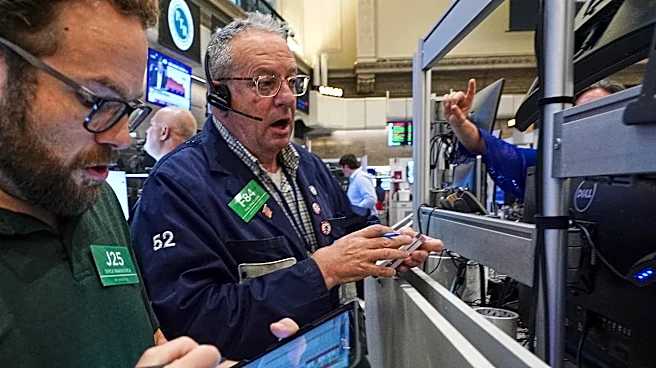
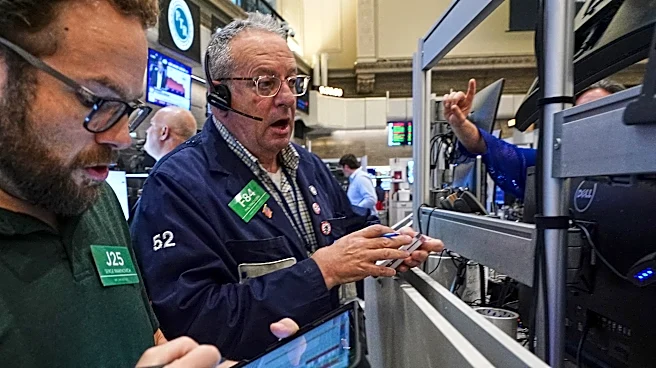
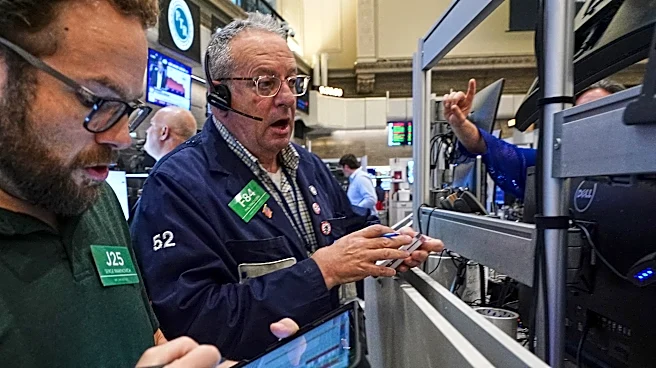
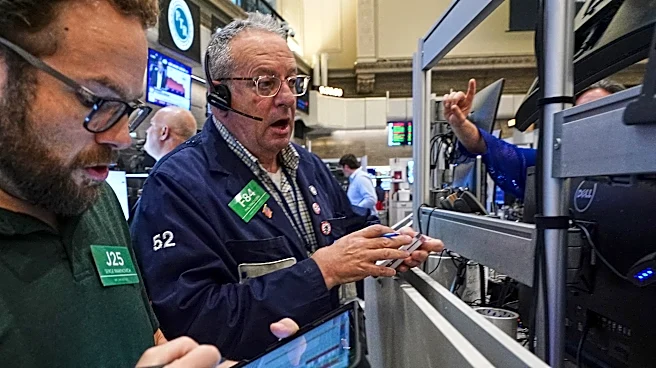
S&P 500 futures remained relatively flat on the evening of July 8, 2026, after a day marked by renewed tensions between the U.S. and Iran. The U.S. launched strikes on Iran in response to attacks on commercial shipping, leading to a rise in oil prices.
West Texas Intermediate crude futures increased by nearly 1%. The Dow Jones Industrial Average fell by 1.1%, while the S&P 500 dropped 0.28%. The Nasdaq Composite, however, rose by 0.2%, supported by gains in Nvidia and other chip stocks. Investors are concerned that rising energy costs could reignite inflation, potentially leading the Federal Reserve to maintain higher interest rates for an extended period.
Why It's Important?
The geopolitical tensions between the U.S. and Iran have significant implications for global energy markets and inflation. The increase in oil prices could exacerbate inflationary pressures, influencing the Federal Reserve's monetary policy. A sustained rise in energy costs may impact consumer spending and corporate profitability, particularly in sectors sensitive to fuel prices. The situation underscores the interconnectedness of geopolitical events and economic stability, with potential ripple effects across global markets. Investors are closely monitoring developments, as prolonged tensions could lead to further market volatility.
What's Next?
Traders will be watching for the release of the weekly jobless claims report and existing home sales data, which could provide insights into the economic outlook. Additionally, corporate earnings reports, such as those from PepsiCo, will be scrutinized for indications of consumer demand and pricing pressures. The Federal Reserve's response to inflationary pressures will be critical, as it could influence future interest rate decisions. The geopolitical situation remains fluid, with potential for further military actions or diplomatic efforts to de-escalate tensions.