






What's Happening?
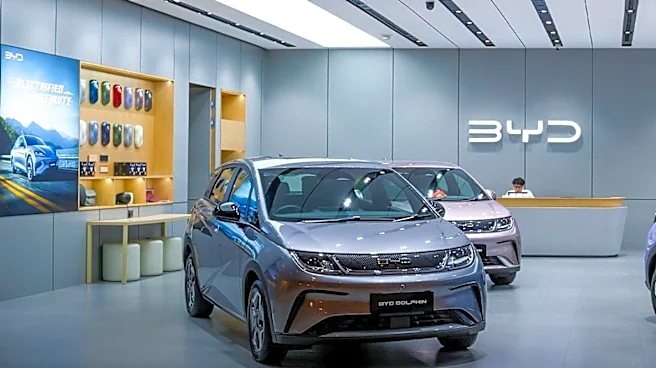
The Alliance for Automotive Innovation, representing a significant majority of car manufacturers operating in the U.S., has appealed to Congress to implement a permanent ban on Chinese cars that utilize communication technologies. This organization includes
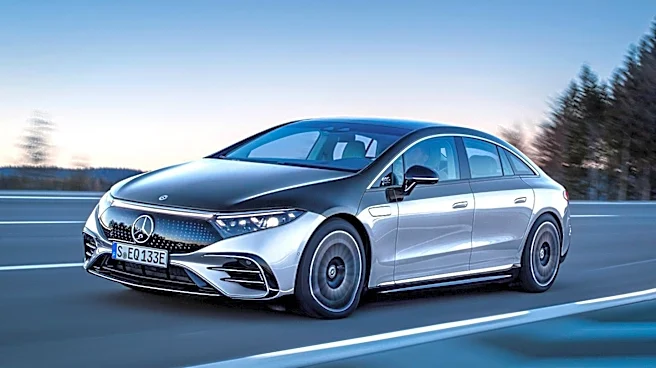
major players such as General Motors, Ford, Toyota, BMW, Hyundai, Honda, Volkswagen, Mercedes, Kia, and Volvo. The proposed regulations aim to cover not only the vehicles themselves but also Chinese hardware and software integrated into these cars. The primary concern cited by the industry is the security of driver data and the potential for modern internet-connected vehicles to collect vast amounts of information and communicate with external servers. This move comes despite existing high tariffs and restrictions on Chinese technology in U.S. vehicles, as American manufacturers fear these measures could be altered in the future. John Bozzella, head of the Alliance for Automotive Innovation, highlighted the rapid expansion of Chinese brands in global automotive markets, including Europe, Australia, Southeast Asia, Mexico, and South America.
Why It's Important?
This push for a permanent ban on Chinese automotive technology has significant implications for the U.S. automotive industry, national security, and consumer privacy. The industry's concern over data security underscores the increasing integration of advanced communication technologies in modern vehicles, transforming cars into data-gathering platforms. A ban would protect American consumers from potential data exploitation by foreign entities and safeguard national security interests by preventing potentially compromised technology from entering the U.S. vehicle fleet. However, the proposal also highlights the complex global nature of the automotive supply chain, where the distinction between 'Chinese' and 'Western' manufacturers is becoming increasingly blurred. Companies like Volvo, majority-owned by China's Geely, and Mercedes-Benz, with substantial Chinese investment, could be inadvertently affected, potentially disrupting established business models and international partnerships. This situation could lead to a re-evaluation of foreign ownership and technological integration policies within the U.S. automotive sector, impacting investment flows and market competition.
What's Next?
The appeal from the Alliance for Automotive Innovation will likely prompt congressional debate and potential legislative action regarding the import of Chinese vehicles and technology. Lawmakers will need to consider the balance between national security, economic interests, and the complexities of global automotive manufacturing. The industry's desire for permanent legislation suggests a long-term strategy to counter the growing influence of Chinese automotive brands. This could lead to stricter regulations on foreign investment in U.S. automotive companies or mandates for greater transparency in vehicle component sourcing. Other markets, such as Europe and Canada, are showing a more open approach to Chinese electric vehicles, which could create a divergence in global automotive trade policies. The U.S. government will need to navigate these international dynamics while addressing the concerns of domestic manufacturers. The outcome will shape the future landscape of the U.S. automotive market, potentially influencing consumer choices, technological innovation, and international trade relations.
Beyond the Headlines
The proposed ban extends beyond immediate economic and security concerns, touching upon deeper ethical and geopolitical dimensions. The blurring lines of ownership in the automotive industry, exemplified by Volvo's Chinese majority ownership and significant Chinese investment in Mercedes-Benz, challenge traditional notions of national origin for products. This situation forces a re-evaluation of how 'foreign' technology is defined and regulated, especially when it involves critical infrastructure like transportation. The debate also highlights the broader technological competition between the U.S. and China, particularly in areas like data collection and artificial intelligence embedded in connected devices. The long-term implications could include a more fragmented global automotive market, with different regions adopting distinct regulatory frameworks for vehicle technology. This could lead to increased costs for manufacturers, reduced consumer choice, and potentially slower innovation if companies are forced to develop region-specific vehicle architectures. The ethical considerations around data privacy and national security in an increasingly interconnected world will remain central to these discussions.