








What's Happening?
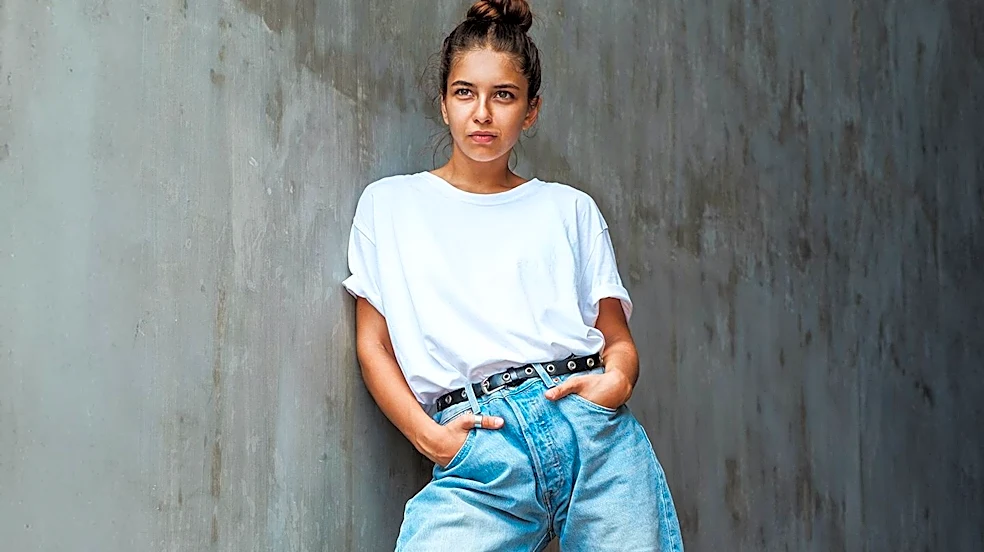
Gen Z has largely abandoned skinny jeans in favor of baggy styles, a trend that gained significant momentum around 2021. This shift is driven by a preference for comfort, practicality, and a body-neutral approach to fashion. Unlike previous generations
that might have 'suffered for their silhouette,' Gen Z rejects restrictive clothing, opting for garments that allow ease of movement and do not emphasize body shape. This movement is seen as a quiet protest against the pressure to conform to specific body ideals, which has been exacerbated by social media and constant digital scrutiny. Baggy jeans are celebrated for their versatility, gender-neutral appeal, and historical roots in 90s hip-hop and skate culture, making them a staple in contemporary youth fashion.
Why It's Important?
The widespread adoption of baggy jeans by Gen Z signifies a significant cultural and fashion paradigm shift, moving away from body-conscious trends towards comfort and body neutrality. This trend impacts the fashion industry by dictating design choices, material selections, and marketing strategies, with brands increasingly focusing on relaxed fits and versatile pieces. Economically, it influences production and retail, as demand for skinny jeans declines and baggy alternatives surge. Socially, it promotes a healthier body image among young people by de-emphasizing the need to display a 'perfect' physique, potentially reducing body dysmorphia and self-consciousness. This preference for comfort and non-conformity also reflects Gen Z's broader values of authenticity and individuality, challenging established fashion norms and consumer expectations.
What's Next?
The dominance of baggy jeans is expected to continue, evolving from a trend into a fashion norm for Gen Z. Future developments in denim are likely to focus on variations of volume, such as barrel jeans, wide-leg styles, and straight loose fits, with an emphasis on darker washes and more tailored denim. While some fashion commentators speculate about a potential comeback for slimmer silhouettes, it is anticipated that skinny jeans will not regain their previous widespread popularity. The influence of streetwear and hip-hop culture will remain strong, continuing to shape the aesthetic of baggy denim. This enduring preference for comfort and body neutrality will likely influence other clothing categories, pushing the fashion industry towards more inclusive and less restrictive designs across the board.
Beyond the Headlines
Gen Z's embrace of baggy jeans is more than just a fashion statement; it represents a profound cultural commentary on body image, gender, and consumerism. By choosing comfort and concealment over form-fitting styles, this generation is actively rejecting the objectification of the body and the relentless pressure to present a curated, 'perfect' image, particularly in the age of social media. This movement aligns with broader discussions around body neutrality, which advocates for accepting one's body without the pressure to constantly love or improve it. Furthermore, the gender-neutral appeal of baggy jeans challenges traditional sartorial divisions, reflecting Gen Z's more fluid understanding of gender identity. This trend underscores a desire for clothing that serves as a tool for self-expression and personal comfort, rather than a means of conforming to external expectations or societal ideals.