





What's Happening?
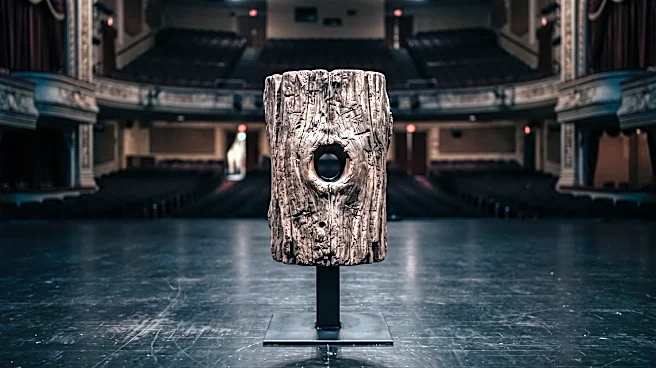
The Apollo Theater in Harlem, New York City, continues a nearly century-old tradition involving a stump known as the 'Tree of Hope.' Performers at the theater, particularly during Amateur Night on Wednesdays, rub this piece of wood for good luck before
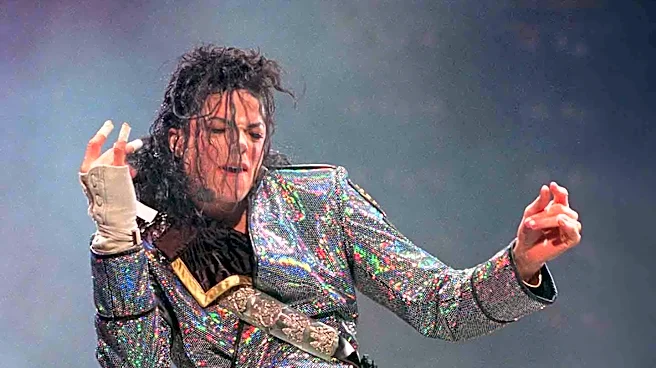
their acts. The stump, approximately 12 inches tall with a central hole and mounted on a column, is a remnant of a larger elm tree that once stood on Seventh Avenue between 131st and 132nd Street during the Harlem Renaissance. This original tree was a gathering spot for aspiring Black musicians heading to the Lafayette Theatre, who believed it brought them good fortune. The elm was cut down in 1934 when Seventh Avenue was widened. Its wood was sold, and the stump was acquired by Ralph Cooper, the founder and emcee of Amateur Night at the Apollo, where it has remained ever since. The tradition has been observed by numerous famous artists, including Beyoncé, Michael Jackson, James Brown, Ella Fitzgerald, and Dionne Warwick.
Why It's Important?
The 'Tree of Hope' stump at the Apollo Theater holds significant cultural and historical importance, particularly within the context of African American performing arts and the legacy of the Harlem Renaissance. It symbolizes hope, aspiration, and the pursuit of success for countless artists, both established and emerging. The tradition reinforces the theater's role as a legendary venue where talent is discovered and careers are launched. For the community, it represents a tangible link to a rich past, preserving a piece of Harlem's vibrant history and its contributions to American culture. The continued practice of performers touching the stump underscores the enduring power of tradition and superstition in the entertainment world, providing a unique ritual that connects generations of artists.
Beyond the Headlines
Beyond its role as a good luck charm, the 'Tree of Hope' stump serves as a powerful symbol of resilience and continuity in the face of change. The original tree was felled to make way for urban development, yet a piece of it was preserved and given new life within a cultural institution. This act of preservation reflects a broader societal effort to maintain historical connections and cultural heritage amidst modernization. The stump also embodies the spirit of the Harlem Renaissance, a period of immense artistic and intellectual flourishing for African Americans, reminding contemporary audiences of the struggles and triumphs of past generations. Its presence at the Apollo Theater reinforces the idea that while physical landscapes may change, the spirit of artistic endeavor and community can endure through symbolic objects and traditions.