



What's Happening?
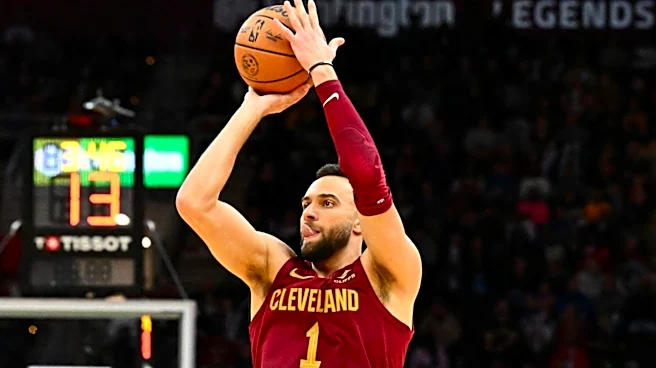
The Cleveland Cavaliers are actively looking to trade Max Strus, who is entering the final year of his contract and is set to earn $16.7 million in the 2026-27 season. This move follows the recent trade of Dennis Schroder, which saved the team $6.8 million for
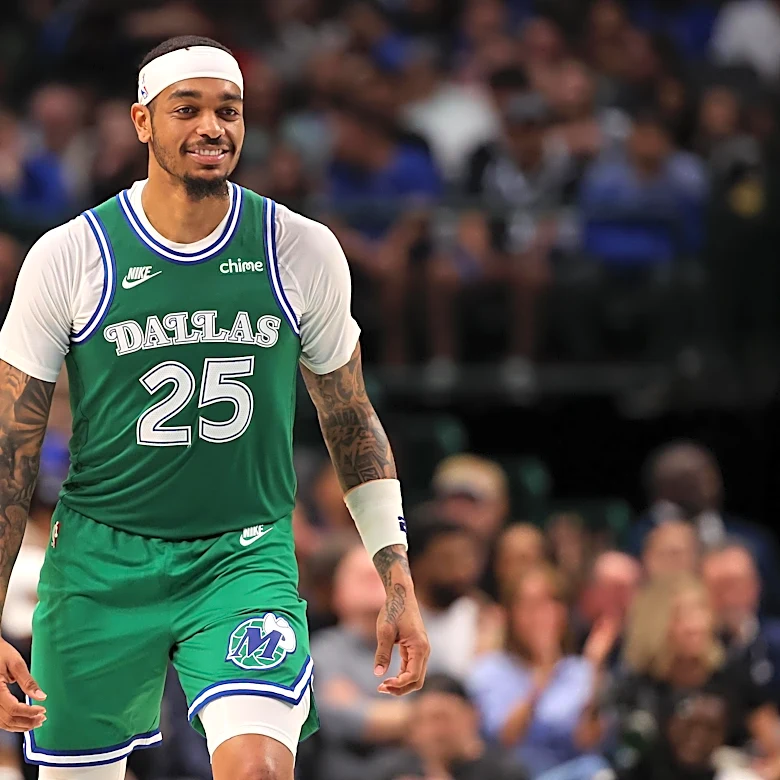
the upcoming season. Strus spent a significant portion of the last season sidelined due to a Jones fracture but demonstrated his scoring capability in his limited appearances, including a 24-point debut. The Cavaliers' objective is to shed salary to gain more financial flexibility, potentially to acquire players like Jonathan Kuminga or Peyton Watson. However, finding a buyer for Strus might require attaching draft capital due to his salary, especially in the NBA's current apron era, which makes teams more hesitant to take on substantial salaries.
Why It's Important?
This potential trade is crucial for the Cleveland Cavaliers as it directly impacts their financial strategy and roster construction. By shedding Strus's salary, the team aims to create cap space and flexibility, which is vital for pursuing new talent and remaining competitive in the NBA. The current apron rules make salary management more challenging, as taking on large contracts can limit future roster moves. For Strus, a trade would mean a new team and potentially a different role, especially after recovering from injury. For the league, this highlights the ongoing strategic importance of salary cap management and the impact of financial regulations on team building. The Cavaliers' pursuit of players like Kuminga or Watson indicates a focus on acquiring young, promising talent to strengthen their roster for future seasons, signaling a commitment to long-term competitiveness.
What's Next?
The Cavaliers will continue to explore trade opportunities for Max Strus, likely engaging with teams that have cap space or are looking for a capable scorer and locker-room presence. The challenge will be to find a trade partner willing to absorb Strus's salary, potentially necessitating the inclusion of draft picks as an incentive. If a trade is successful, the Cavaliers will then have the financial flexibility to pursue their desired targets, Jonathan Kuminga or Peyton Watson, or other players who fit their strategic vision. The outcome of these trade discussions will significantly shape the Cavaliers' roster for the upcoming season and influence their performance. Strus, if traded, will need to integrate into a new team and demonstrate his value, especially after his injury-shortened season.
Beyond the Headlines
The Cavaliers' decision to trade Max Strus, despite his positive locker-room presence and scoring ability, underscores the harsh realities of professional sports economics and the strategic importance of salary cap management. In the modern NBA, financial flexibility often dictates a team's ability to contend for championships. The 'apron era' rules have intensified this, forcing teams to make difficult choices between retaining valuable players and maintaining the agility to acquire top-tier talent. This situation also highlights the transactional nature of player careers, where even respected contributors can be moved for strategic financial reasons. The pursuit of younger players like Kuminga and Watson suggests a long-term vision for the Cavaliers, aiming to build a sustainable competitive core rather than relying solely on veteran talent. This strategic shift reflects a broader trend in the league where youth and potential are often prioritized in roster construction.