






What's Happening?
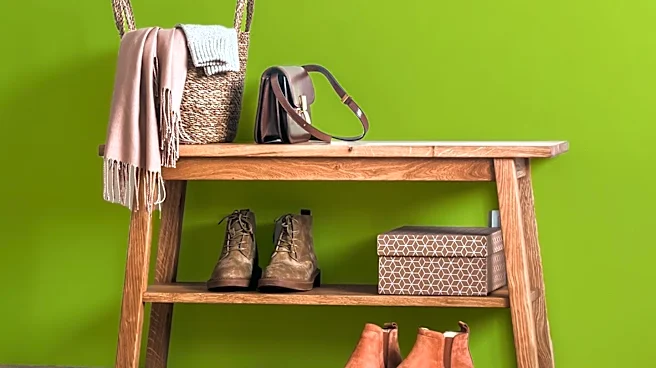
Multifunctional furniture is gaining prominence in U.S. homes, particularly for those with small living spaces. This trend focuses on pieces designed to serve multiple purposes, thereby maximizing utility and reducing clutter. Examples include coffee
tables that convert into desks, storage benches, and ottomans with hidden compartments. The design philosophy emphasizes flexible, proportional designs with features like lifted legs and slim frames to create an illusion of openness. The goal is to make small rooms feel larger and more organized, ensuring each furniture piece serves a specific purpose without overcrowding the area. This approach also considers practical aspects such as maintaining clear walkways and accounting for door and drawer clearances.
Why It's Important?
The increasing adoption of multifunctional furniture is significant for the U.S. housing market and consumer lifestyle trends. With rising urbanization and a growing number of smaller living units, efficient space utilization has become a critical factor for many Americans. This furniture trend directly addresses the challenges of limited square footage, offering practical solutions that enhance comfort and aesthetics. For consumers, it means the ability to create more versatile and less cluttered environments, improving overall quality of life in compact homes. For the furniture industry, it signals a shift towards innovative design and manufacturing, focusing on adaptability and smart storage solutions. This could lead to new product development and market opportunities for companies specializing in space-saving and convertible furniture, impacting retail strategies and interior design practices across the country.
What's Next?
The demand for multifunctional furniture is expected to continue growing as urban living spaces remain constrained. Manufacturers will likely invest further in research and development to create more sophisticated and aesthetically pleasing designs that integrate technology and smart features. Retailers may expand their offerings of convertible and modular furniture, potentially creating dedicated sections or showrooms for these products. Interior designers will increasingly incorporate these pieces into their plans for small apartments and homes, influencing design trends and client expectations. Additionally, there could be a rise in consumer education initiatives to highlight the benefits and practical applications of multifunctional furniture, further driving its adoption in the U.S. market.
Beyond the Headlines
Beyond its immediate practical benefits, the rise of multifunctional furniture reflects a broader cultural shift towards minimalism and conscious consumption in the U.S. It encourages a more thoughtful approach to home furnishing, where utility and efficiency are prioritized alongside style. This trend can also contribute to environmental sustainability by promoting fewer, more versatile purchases, potentially reducing overall consumption and waste. Ethically, it challenges the traditional notion of needing large homes and extensive possessions, fostering a mindset that values adaptability and resourcefulness. This shift could influence urban planning and architectural design, pushing for more flexible and adaptable living spaces that cater to evolving lifestyle needs and environmental considerations.