





What's Happening?
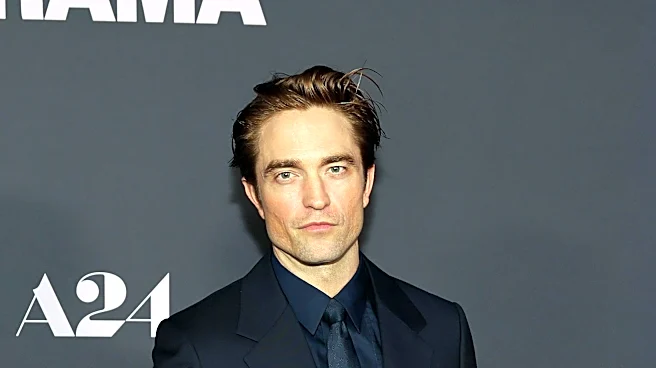
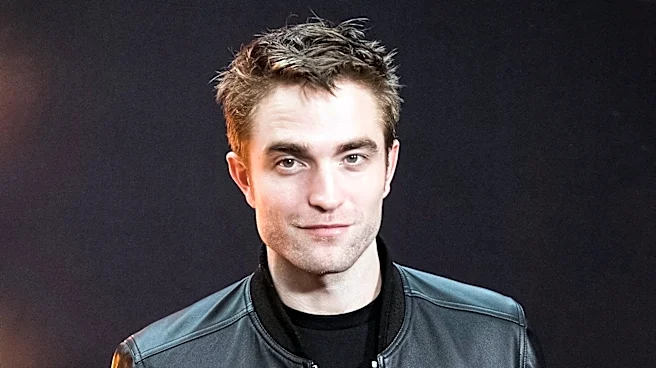
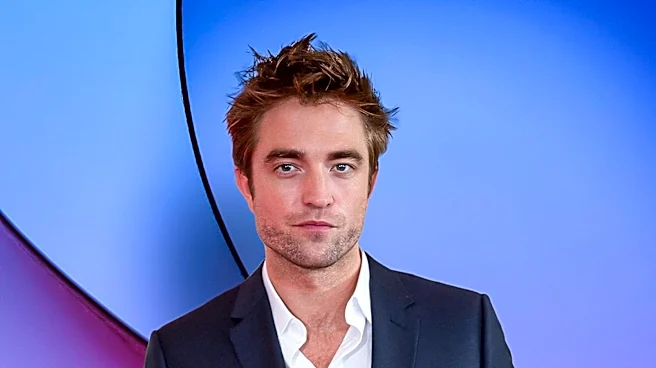
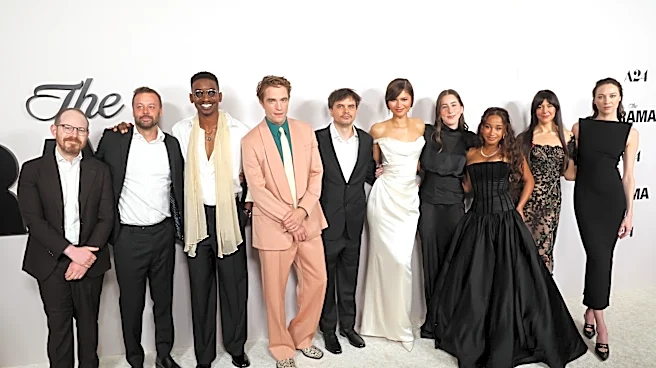
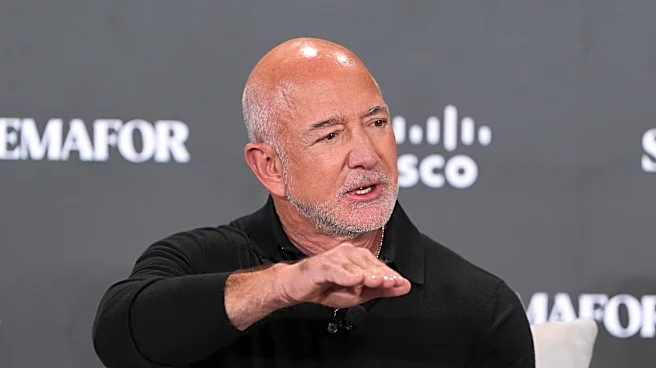
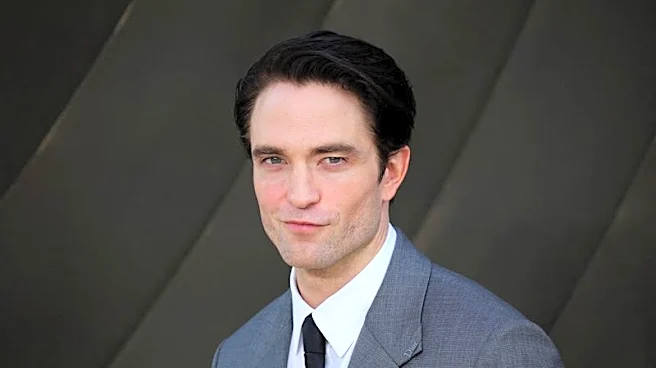
Amazon founder Jeff Bezos disclosed that actor Robert Pattinson almost did not secure the role of James Bond because he was already too famous. Speaking at Semafor's Silicon Valley & The World conference, Bezos detailed the rigorous casting process for the next
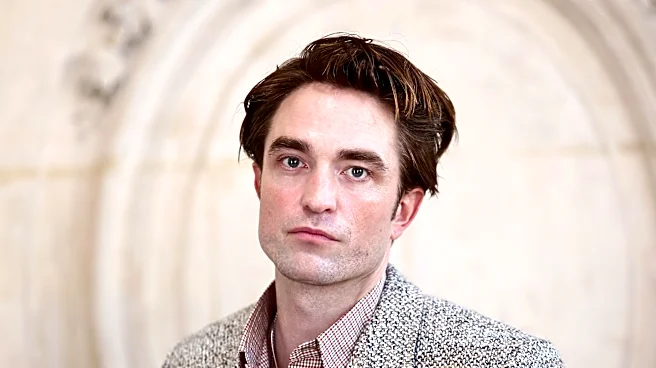
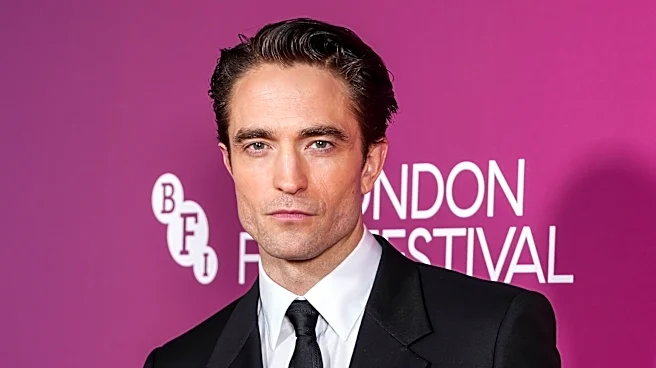
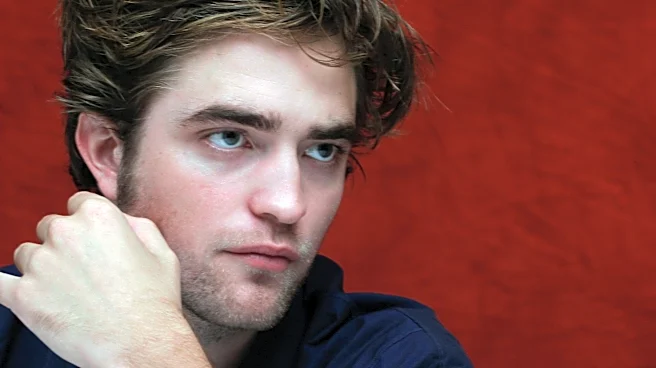
007, which involved narrowing down candidates to five finalists who underwent extensive screen tests. These tests included professional sets, costumes, and supporting actors, with each contender performing three different scenes. The final decision was made just three days before Pattinson's official announcement. Bezos admitted that there was an initial bias against Pattinson due to his established Hollywood career, as the casting team had considered selecting a less recognizable actor to embody a fresh identity for James Bond. However, Pattinson's screen tests ultimately convinced the decision-makers that he was the right choice for the iconic role. This marks the first selection of a new James Bond actor since Amazon MGM Studios took creative control of the franchise in 2025.
Why It's Important?
This revelation highlights the evolving dynamics of casting in major Hollywood franchises, particularly when a global brand like James Bond is involved. The preference for a less famous actor initially suggests a strategic desire to cultivate a new star through the role, a traditional approach for the franchise. Pattinson's eventual selection, despite his fame, indicates that his performance in the screen tests was exceptionally compelling, overriding the initial strategic bias. This decision could influence future casting choices for other major franchises, potentially shifting the balance between established star power and the desire for fresh faces. For Amazon MGM Studios, this casting decision is crucial as it sets the tone for their creative direction of the James Bond franchise, a significant asset in their entertainment portfolio. The involvement of Jeff Bezos also underscores the increasing influence of studio executives and owners in creative decisions for tentpole productions.
What's Next?
Robert Pattinson is officially set to succeed Daniel Craig as James Bond in the upcoming reboot, directed by Denis Villeneuve. The film will be produced by Amy Pascal and David Heyman, with Steven Knight writing the screenplay. The focus will now shift to the production phase, including further casting announcements for other key roles and the eventual commencement of filming. The public and critical reception of Pattinson in the role will be closely watched, as will the overall direction Villeneuve takes the franchise. Stakeholders, including fans, critics, and investors, will be keen to see how Amazon MGM Studios' creative control impacts the long-standing legacy of James Bond. The success of this reboot will be a significant indicator of Amazon's strategy in managing major intellectual properties within the entertainment industry.
Beyond the Headlines
The casting process for James Bond, as described by Jeff Bezos, reveals a deeper industry trend where data-driven decision-making and extensive testing are becoming more prevalent even in creative fields. The use of elaborate screen tests with full production values suggests a move towards minimizing risk and maximizing the chances of a successful casting choice for high-stakes projects. This approach could lead to a more standardized, almost scientific, method for selecting lead actors in major franchises, potentially reducing the reliance on traditional auditions and gut feelings. Furthermore, the initial hesitation to cast a highly famous actor like Pattinson touches upon the ongoing debate in Hollywood about star power versus character immersion. While a famous actor brings immediate recognition, there's a risk that their previous roles might overshadow the new character. Pattinson's ability to overcome this bias through his performance speaks to his versatility and the potential for a new era of Bond that balances established talent with fresh interpretations.