


What's Happening?
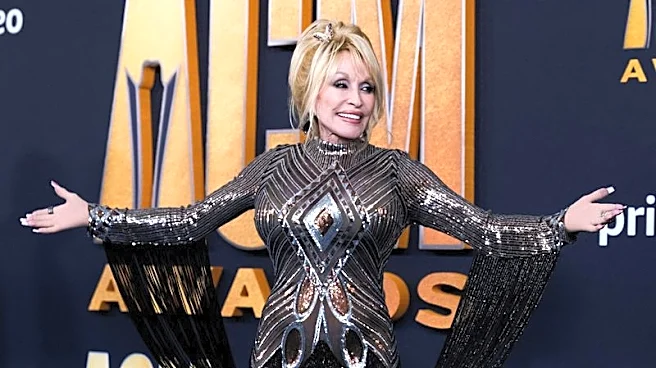
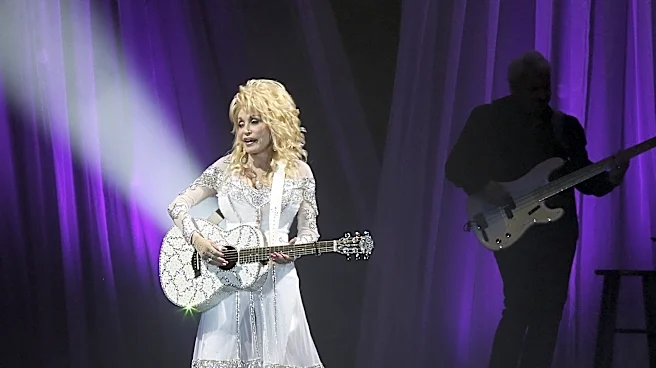
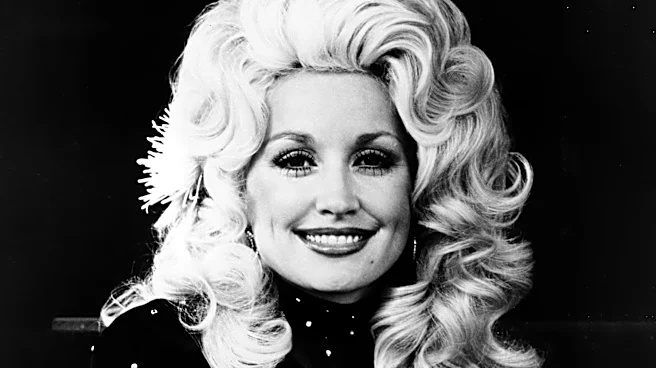
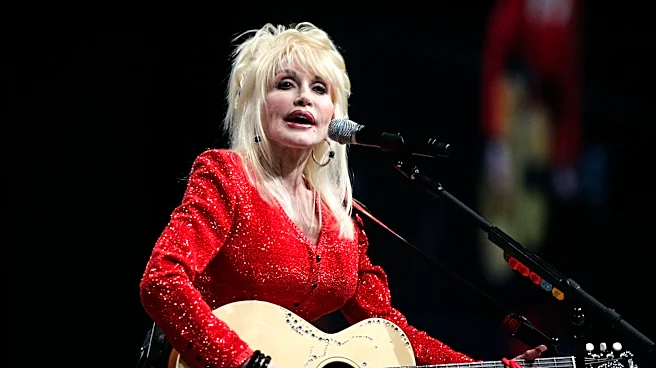
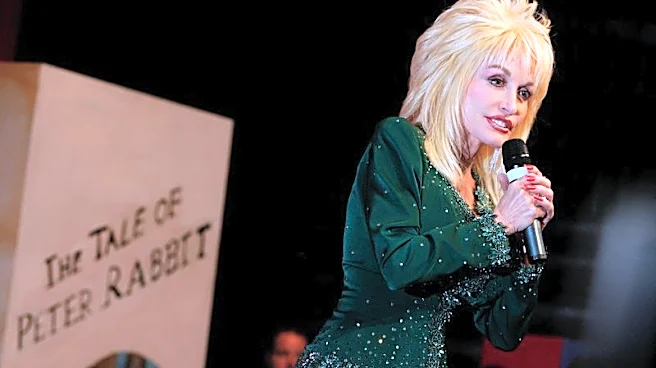
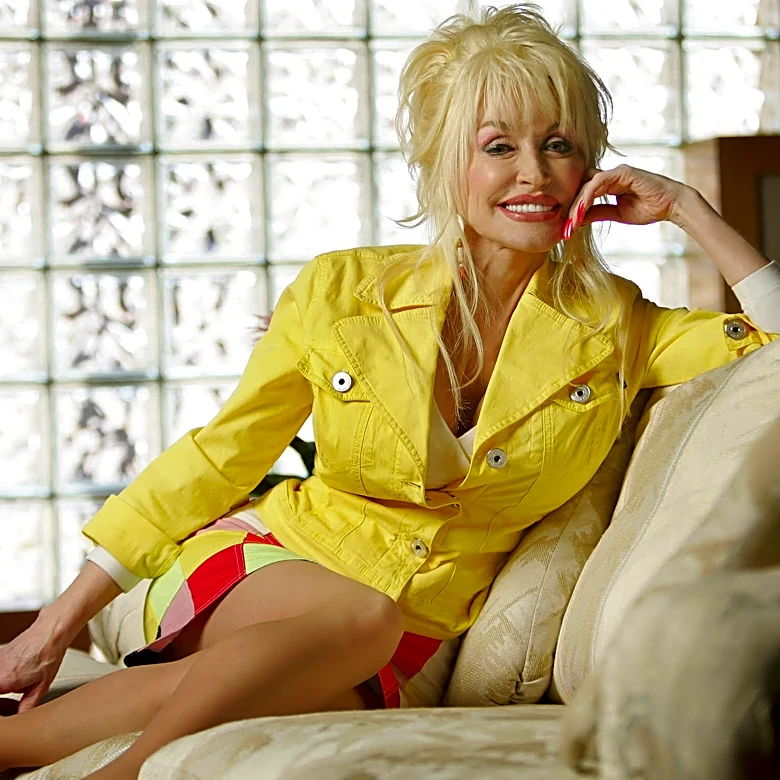
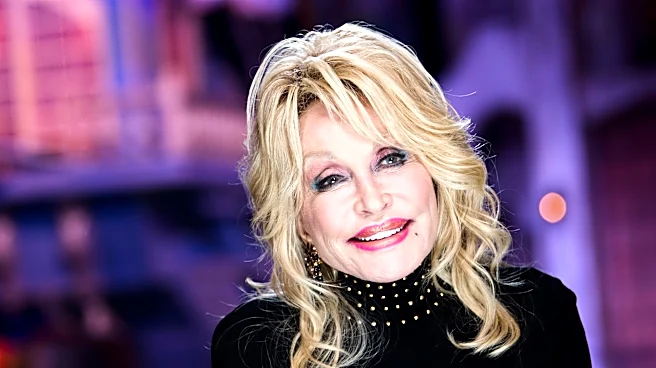
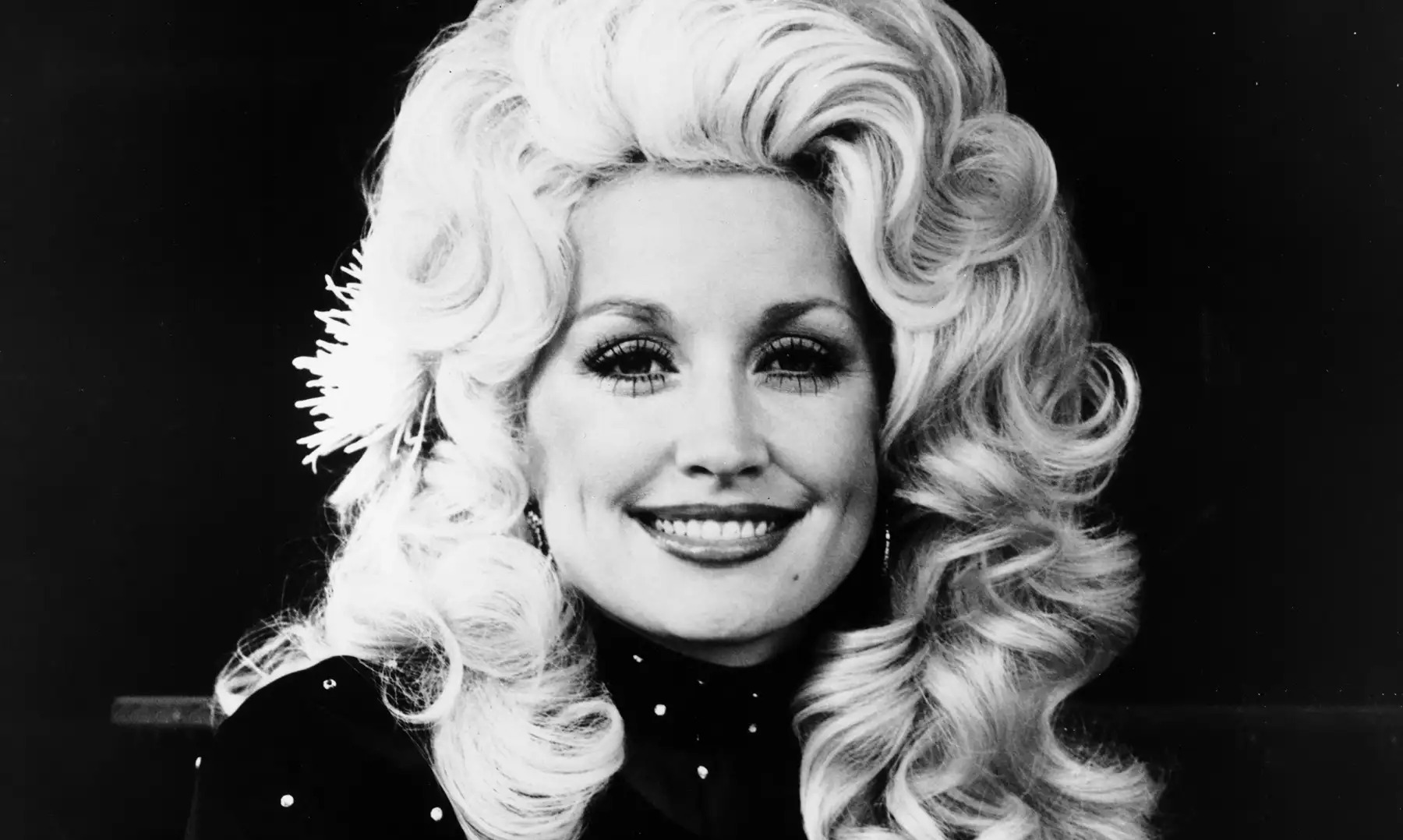
Dolly Parton, the legendary country music icon, prolific songwriter, actor, and philanthropist, passed away on Tuesday, August 25, at the age of 80. Her death was announced by her nephew, Bryan Seaver, on behalf of the Parton and Owens families via a video
posted to Parton’s Instagram account. Seaver, who also served as Parton’s head of security for over two decades, reflected on her immense impact, stating that she 'farmed songs and happiness' much like her father farmed soil. Parton's career spanned more than six decades, during which she wrote hundreds of songs covering themes of love, poverty, heartbreak, home, and independence. Many of her compositions became country standards, while others crossed over into pop music and were reinterpreted by artists across generations, becoming deeply embedded in American culture. Her passing marks the end of an era for country music and the entertainment industry.
Why It's Important?
Dolly Parton's passing is a significant moment for American culture, marking the loss of an artist who transcended musical genres and societal divides. Her ability to connect with diverse audiences, from her humble beginnings in East Tennessee to global superstardom, made her a unique figure. Parton's songwriting prowess, exemplified by hits like 'Jolene,' 'I Will Always Love You,' and '9 to 5,' not only shaped the landscape of country and pop music but also provided narratives that resonated deeply with ordinary people. Beyond her musical achievements, her philanthropic efforts, particularly in literacy and education through the Imagination Library, have had a profound and lasting impact on countless children and families across the U.S. Her legacy extends beyond entertainment, influencing social discourse through her inclusive messages and demonstrating how an artist can leverage their platform for significant positive change. Her career also highlighted the business acumen required to maintain relevance and financial independence in the music industry, as seen in her decision to retain publishing rights for 'I Will Always Love You.'
What's Next?
In the wake of Dolly Parton's death, tributes and celebrations of her life and career are expected to continue from fans, fellow artists, and public figures across the U.S. and globally. Her extensive catalog of music will likely see renewed interest, with streaming numbers and sales potentially surging as people revisit her iconic songs. Discussions about her lasting cultural impact, particularly her contributions to country music, philanthropy, and female empowerment, will undoubtedly be prominent. There may also be renewed efforts to honor her legacy through various initiatives, such as documentaries, biographical projects, or academic studies of her work. Given her previous exploration of creating an avatar for future performances, there might be discussions or developments regarding how her digital likeness could continue to engage with audiences, though the immediate focus will be on commemorating her life and achievements.
Beyond the Headlines
Dolly Parton's career offers a compelling case study in navigating and transcending societal expectations, particularly for women in the entertainment industry. Her carefully crafted persona, often characterized by self-deprecating humor and a glamorous image, allowed her to challenge stereotypes while maintaining broad appeal. She famously stated, 'Just because I’m blonde, don’t think I’m dumb / ‘Cause this dumb blonde ain’t nobody’s fool,' encapsulating her shrewd understanding of her public image. Her inclusivity, evident in songs like 'Family' and her plans for an LGBT-friendly dance album, set her apart in a genre often perceived as conservative. This progressive stance, combined with her deep roots in traditional country music, allowed her to bridge cultural divides and foster a sense of belonging for many. Her refusal to sell the publishing rights to 'I Will Always Love You' to Elvis Presley's management also highlights her business acumen and commitment to artistic ownership, a crucial lesson for artists in an evolving industry.