

What's Happening?
Kyle Busch has been posthumously named the most popular NASCAR driver for 2026, receiving the National Motorsports Press Association's Most Popular Driver Award in the NASCAR Cup Series. This marks Busch's first time winning the award. The announcement
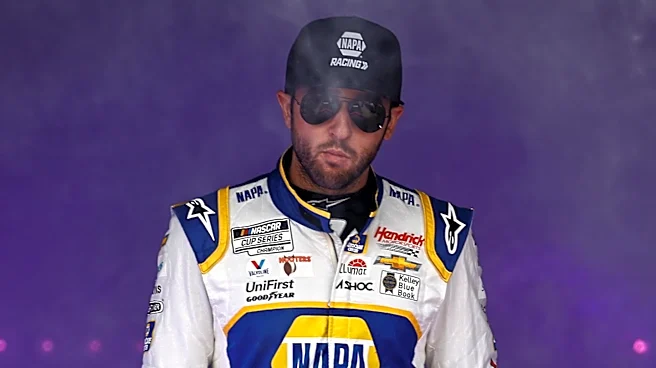
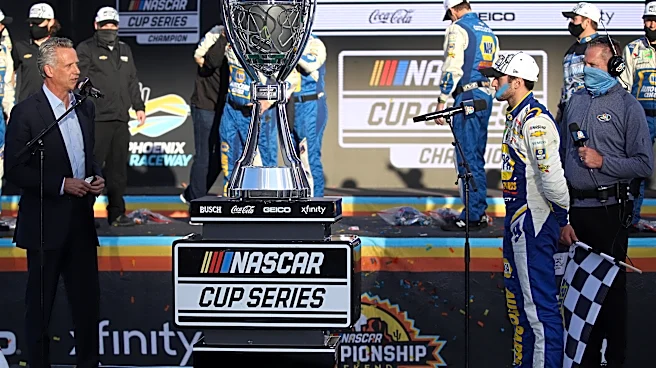
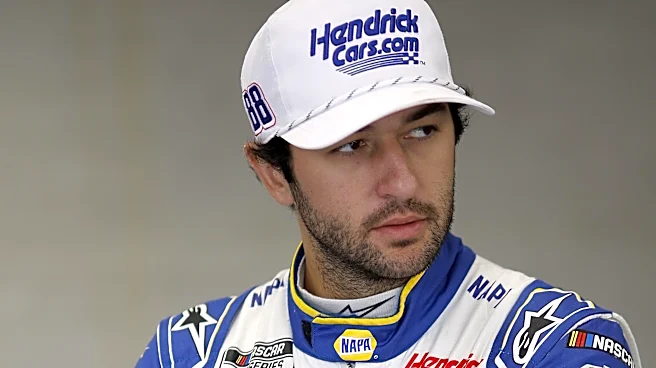
was made on Tuesday, November 10, 2026, nearly five months after his death at age 41. Fans voted for the award, with eight-time reigning winner Chase Elliott removing himself from the ballot and encouraging his supporters to vote for Busch in honor of the two-time NASCAR Cup Series champion. Samantha Busch, his widow and mother of their two children, Brexton and Lennix, accepted the award on his behalf. She expressed that the award allows her children to see another side of their father, highlighting how much he meant to others and how special he was. Busch had a prolific career, securing 63 NASCAR Cup Series wins, 102 NASCAR O'Reilly Auto Parts Series wins, and 69 NASCAR Craftsman Truck Series wins. His final victory occurred in May at Dover Motor Speedway in the NASCAR Craftsman Truck Series, just six days before his passing.
Why It's Important?
The posthumous recognition of Kyle Busch as NASCAR's Most Popular Driver for 2026 carries significant emotional and symbolic weight within the U.S. motorsports community. It underscores the profound impact Busch had on fans and fellow competitors, even after his passing. The gesture by Chase Elliott, a dominant figure in recent popularity polls, to step aside and advocate for Busch's win, highlights a rare moment of unity and respect in a highly competitive sport. This event not only honors Busch's legacy but also provides a poignant narrative for his family, particularly his children, allowing them to witness the widespread admiration for their father. Historically, posthumous awards, such as Dale Earnhardt's in 2001, have served as powerful tributes, solidifying the enduring memory of beloved figures. This award reinforces the idea that a driver's influence extends beyond their on-track performance, encompassing their personality, resilience, and connection with the fanbase. It also demonstrates the power of collective fan sentiment in shaping the sport's narrative and honoring its heroes.
What's Next?
The posthumous award for Kyle Busch is likely to spark further discussions and tributes across NASCAR media and fan communities, solidifying his place in the sport's history. While the immediate impact is largely commemorative, it could influence how NASCAR and its partners approach honoring past champions and popular figures in the future. The emotional resonance of Samantha Busch's acceptance speech may also lead to increased focus on the families of drivers and the personal sacrifices involved in motorsports. For the NASCAR O'Reilly Auto Parts Series, Justin Allgaier's win as Most Popular Driver, marking the 15th time a champion also won the award, could set a precedent for future seasons, potentially encouraging drivers to engage more with fans while pursuing championships. Similarly, Layne Riggs' win in the NASCAR Craftsman Truck Series, despite finishing second in points, highlights the importance of fan connection beyond championship titles. These awards collectively reinforce the value of fan engagement and popularity within the sport's ecosystem.
Beyond the Headlines
The posthumous Most Popular Driver award for Kyle Busch transcends a simple popularity contest, delving into deeper themes of legacy, community, and the human element within professional sports. It highlights how public perception and fan connection can immortalize an athlete, even in death. The decision by Chase Elliott to cede his position and advocate for Busch's win speaks to a profound sense of sportsmanship and respect, challenging the often-fierce rivalries inherent in racing. This act could set a precedent for how competitors honor each other, fostering a more empathetic culture within the sport. Furthermore, the award's impact on Busch's children, as articulated by Samantha Busch, underscores the role of public recognition in shaping personal narratives and preserving memories for future generations. It transforms a sporting accolade into a deeply personal and familial tribute, demonstrating the broader societal function of sports in commemorating heroes and providing comfort to their loved ones. This event also subtly reinforces the power of fan voting as a democratic mechanism within sports, allowing the collective voice of the audience to shape significant outcomes.