





What's Happening?
Red light therapy, utilizing specific red and near-infrared light wavelengths, is increasingly being adopted across various sectors in the U.S., including sports recovery, fitness, wellness, and rehabilitation. This therapy is valued for its ability to support
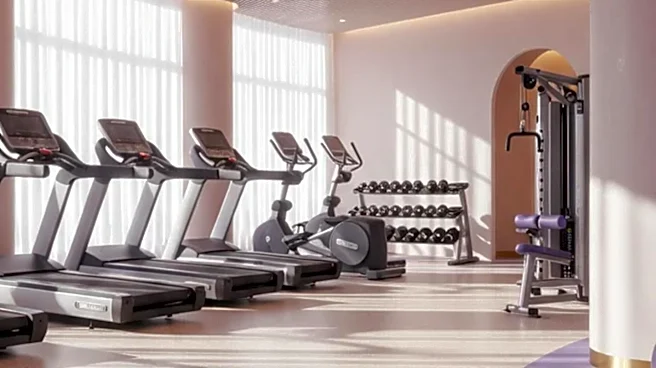
cellular energy production, aid in muscle recovery, alleviate joint pain, and promote skin health. Businesses are recognizing the flexibility of red light therapy products, which range from small wearable devices for targeted applications to full-body blankets and larger systems for broader coverage. Manufacturers like KONBEST are providing a diverse array of red light therapy equipment to meet the demands of distributors, wholesalers, resellers, and private label brands. The therapy is being integrated into sports teams' recovery routines, gyms, physiotherapy centers, and wellness spas, offering a complementary solution alongside existing recovery modalities such as compression boots and massage equipment.
Why It's Important?
The growing adoption of red light therapy in the U.S. signifies a significant trend in the health and wellness industry, impacting both consumers and businesses. For consumers, it offers accessible and non-invasive options for recovery, pain management, and overall well-being, potentially reducing reliance on pharmaceuticals or more intensive treatments. For businesses, particularly those in sports, fitness, and healthcare, red light therapy presents a new market opportunity to expand product portfolios and service offerings. Distributors and resellers can cater to a wider range of customers, from individual home users to professional sports organizations and medical facilities. This expansion can stimulate economic growth within these sectors, create new jobs, and foster innovation in product development. The emphasis on product flexibility and customization also allows businesses to tailor solutions to specific market needs, enhancing competitiveness and customer satisfaction.
What's Next?
The trajectory for red light therapy in the U.S. points towards continued market expansion and product diversification. Businesses are expected to further integrate these devices into comprehensive recovery and wellness programs. Manufacturers will likely focus on developing more advanced and specialized devices, potentially incorporating new technologies or enhancing existing features to meet evolving consumer and professional demands. The emphasis on quality control, certifications, and compliance will become increasingly critical as the market matures, ensuring product safety and efficacy. Additionally, as more research emerges, there may be a push for greater standardization in treatment protocols and increased awareness among healthcare professionals. This could lead to broader acceptance and potentially, in the long term, greater insurance coverage for certain applications, further solidifying red light therapy's place in mainstream health and wellness.
Beyond the Headlines
Beyond its immediate applications, the rise of red light therapy reflects a broader societal shift towards proactive health management and personalized wellness. This trend is driven by an increasing consumer desire for natural, non-pharmacological interventions and a greater understanding of cellular health. The integration of red light therapy into diverse settings, from professional sports to home use, highlights its versatility and potential to democratize access to advanced therapeutic technologies. This also raises important considerations regarding consumer education and the need for clear, evidence-based information to distinguish legitimate benefits from marketing hype. As the market grows, regulatory bodies may also play a more active role in overseeing product claims and ensuring consumer protection. The long-term impact could include a redefinition of recovery and wellness practices, with a greater emphasis on cellular-level interventions and preventative care.