



What's Happening?
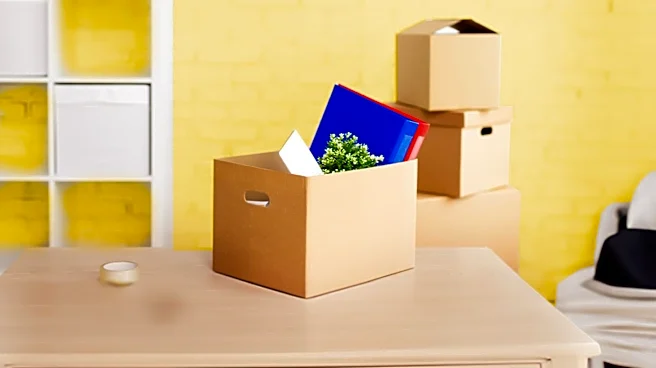
Experts are providing strategies to combat 'clutter creep,' which is defined as the gradual accumulation of items in living spaces that eventually overwhelm them. This phenomenon often stems from habits like temporarily setting items down or postponing
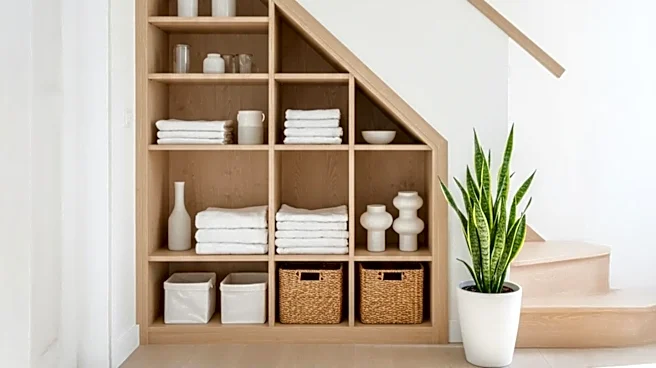
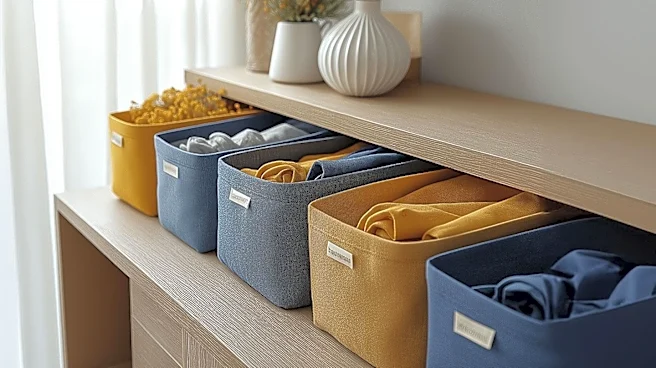
putting things away, leading to a snowball effect of disorganization. Key strategies include acknowledging the problem, prioritizing decluttering by letting go of unneeded items, and setting up functional organizational systems. Examples of systems include entryway drop zones for daily essentials, morning routine corners in the kitchen, and charging stations for electronic devices. Additionally, experts recommend using containers to provide physical limits to storage and performing small, frequent resets throughout the day to maintain order.
Why It's Important?
Combating 'clutter creep' is crucial for maintaining a functional and stress-free home environment. The gradual accumulation of clutter can lead to increased stress levels, difficulty finding items, and a general feeling of being overwhelmed, impacting mental well-being and productivity. By offering practical strategies, experts empower individuals to regain control over their living spaces, which can translate into more efficient daily routines and a calmer home atmosphere. The emphasis on creating designated homes for items and using containers helps prevent future clutter buildup, addressing the root causes of disorganization rather than just its symptoms. This approach has significant implications for public health, as a tidy environment is often linked to improved mental clarity and reduced anxiety.
What's Next?
The ongoing discussion and expert advice on combating 'clutter creep' suggest a continued focus on practical home organization solutions. Consumers can expect more resources, products, and services aimed at helping them manage their belongings and maintain tidy homes. The emphasis on small, consistent actions and the use of organizational tools indicates a shift towards sustainable habits rather than one-off decluttering efforts. This trend may also lead to increased demand for professional organizing services and innovative storage solutions that integrate seamlessly into daily life, further promoting a culture of intentional living and mindful consumption.
Beyond the Headlines
The concept of 'clutter creep' extends beyond mere physical disarray; it often reflects deeper issues related to consumption habits, time management, and even emotional attachments to possessions. The expert advice to acknowledge the problem and prioritize paring down touches upon the psychological aspect of letting go, which can be challenging for many. The strategies also highlight the importance of designing living spaces that support desired behaviors, such as creating 'drop zones' to prevent items from accumulating randomly. This holistic approach to home organization suggests a growing awareness of how our physical environment profoundly impacts our mental state and overall quality of life, encouraging a more mindful and intentional approach to what we bring into and keep in our homes.