





What's Happening?
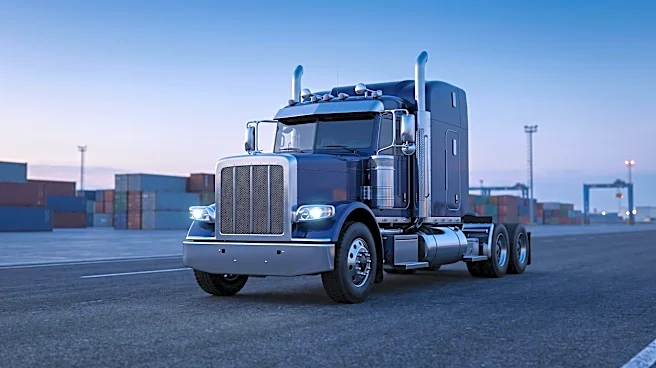
Swift Transportation is actively recruiting for dedicated CDL-A driving positions based out of Albany, New York. These roles offer a home-daily schedule, serving a big-box customer on a dedicated account. The specific lane operates out of Johnstown, NY,
providing drivers with predictable freight and consistent home time. Drivers in this position can anticipate earning an average of $1,600 per week. Compensation also includes trip pay, ranging from $0.69 to $0.81 per mile, which varies based on the specific route and the driver's experience level. A Commercial Driver's License (CDL-A) is a mandatory requirement for these positions. Swift Transportation is also offering on-the-job training for new drivers who meet the CDL-A qualification, indicating an effort to support and integrate new talent into their operations. This recruitment drive is part of Swift's ongoing efforts to staff its dedicated routes and maintain service levels for its clients.
Why It's Important?
This recruitment initiative by Swift Transportation is significant for several reasons, particularly within the U.S. logistics and transportation sectors. The demand for CDL-A drivers highlights the continued need for skilled labor in freight movement, which is crucial for the supply chain supporting big-box retailers and, by extension, consumer goods availability. Offering a 'home-daily' schedule is a notable incentive in an industry often characterized by long hauls and extended periods away from home, potentially attracting a broader pool of drivers and improving driver retention. The predictable freight and consistent home time can enhance job satisfaction and stability for drivers, addressing common challenges in the trucking industry. For the economy, a well-staffed transportation network ensures efficient delivery of goods, preventing supply chain disruptions that can lead to increased costs and product shortages. This move by Swift Transportation underscores the ongoing importance of robust logistics for economic stability and consumer access to goods.
What's Next?
Swift Transportation will likely continue its recruitment efforts to fill these dedicated CDL-A driving positions in the Albany, NY area. The company's focus on offering competitive pay and a home-daily schedule suggests a strategy to attract and retain qualified drivers in a competitive labor market. Successful recruitment will enable Swift to maintain and potentially expand its service capacity for its big-box customer, ensuring consistent freight movement. New drivers joining the company will undergo on-the-job training, integrating them into Swift's operational protocols and safety standards. The success of this hiring drive could influence future recruitment strategies for Swift Transportation in other regions, especially if the home-daily model proves effective in attracting and retaining drivers. The broader transportation industry will be watching to see if such localized, dedicated routes become a more prevalent model to address driver shortages and improve working conditions.
Beyond the Headlines
The emphasis on 'home-daily' routes by Swift Transportation reflects a deeper trend within the trucking industry to address driver quality of life and work-life balance. Historically, long-haul trucking has been associated with significant time away from home, contributing to driver shortages and high turnover rates. By offering more localized, dedicated routes, companies like Swift are attempting to make the profession more appealing and sustainable. This shift could lead to a more stable and experienced driver workforce, potentially improving safety records and service reliability across the industry. Furthermore, the consistent nature of dedicated freight for big-box customers highlights the critical role of efficient logistics in modern retail. The ability to reliably move goods from distribution centers to stores is a cornerstone of consumer convenience and the broader retail economy. This initiative by Swift Transportation, therefore, is not just about filling jobs but also about adapting to evolving workforce expectations and strengthening the foundational elements of the supply chain.