




What's Happening?
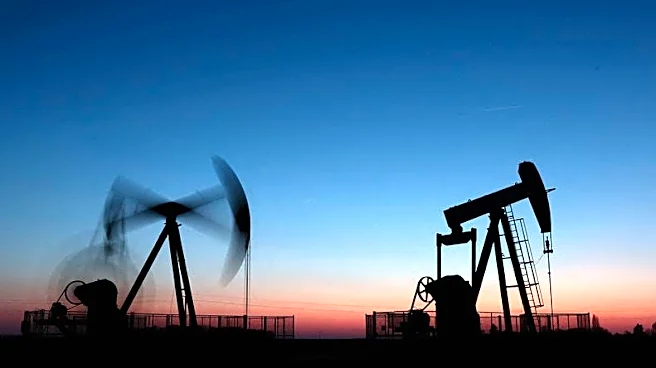
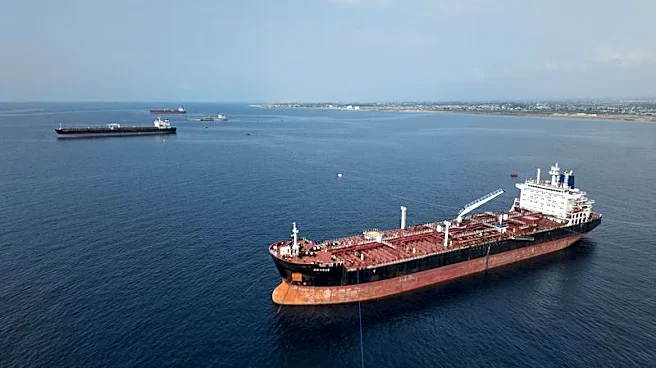
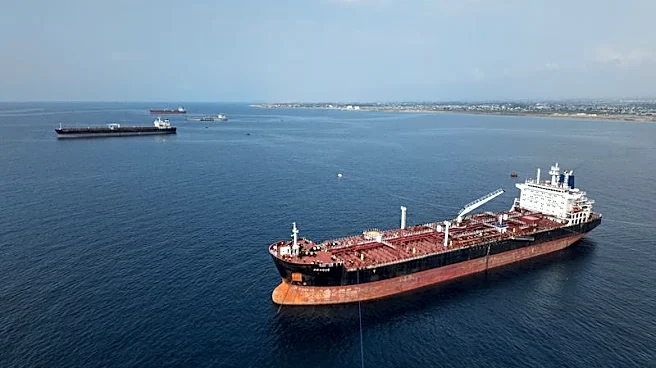
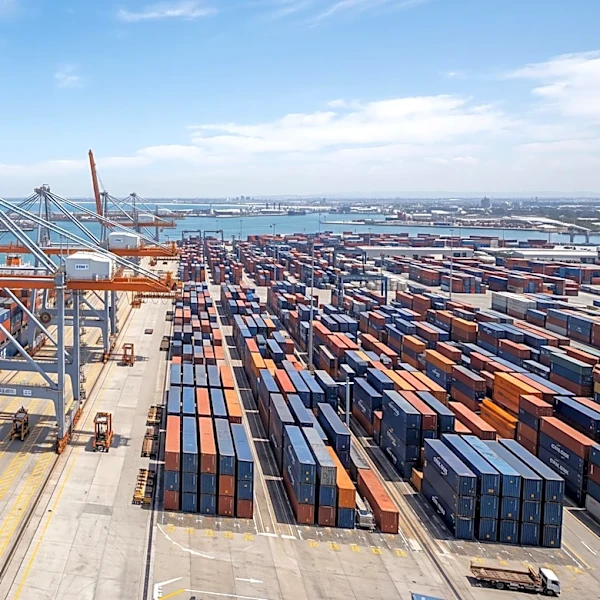
The World Bank has projected a significant 23% increase in global commodity prices for 2026. This surge is attributed to a confluence of factors, including rising energy prices, disruptions to cargo shipping stemming from the Middle East war, challenges
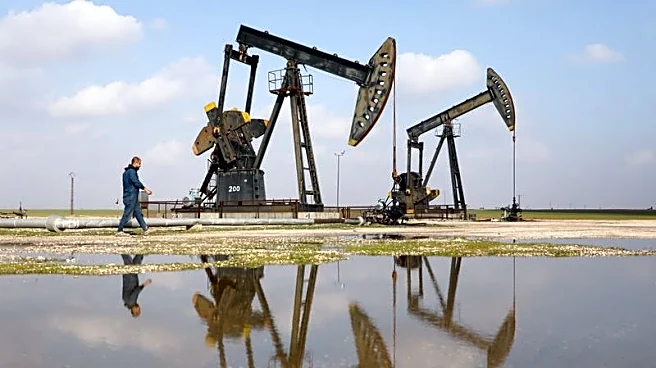
in grain shipments from the Black Sea region, and heightened demand for safe-haven assets like gold. The World Bank's latest Commodity Markets Outlook indicates that oil, natural gas, food, and metals prices have already seen sharp increases this year due to these global shocks. The report warns that the situation could escalate further if the Middle East conflict intensifies or if damage to Russian oil infrastructure continues.
Why It's Important?
This forecast is critically important for the U.S. economy and its citizens, as rising commodity prices directly impact inflation, consumer purchasing power, and business operating costs. A 23% increase in commodity prices could lead to higher prices for gasoline, food, and manufactured goods, potentially eroding real wages and increasing the cost of living for American households. Businesses, particularly those in manufacturing, transportation, and agriculture, will face increased input costs, which could squeeze profit margins or be passed on to consumers. The demand for safe-haven assets like gold also signals increased global economic uncertainty, which can deter investment and slow economic growth in the U.S. and internationally. This situation could also prompt the Federal Reserve to consider tighter monetary policies to combat inflation, potentially impacting interest rates and credit availability.
What's Next?
Looking ahead, the World Bank anticipates a modest easing of commodity prices by 7% in 2027. However, this outlook is tempered by the potential for continued shocks, including forecasts for the worst El Niño weather effect since 1950, which could keep food commodity prices elevated. Such persistent high prices risk exacerbating inflation and could necessitate tighter monetary policies globally. The World Bank emphasizes the global economy's current vulnerability to supply shocks, noting depleted global oil stocks and a projected 5.2% drop in global oil supply for 2026—the largest decline in four decades outside the 2020 global recession. An adverse scenario involving a record El Niño, further Black Sea grain disruptions, escalation in the Middle East, and ongoing damage to Russian oil infrastructure could drive food prices 12% higher than expected, potentially triggering a food crisis similar to the early 2010s, which pushed over 40 million additional people into extreme poverty.
Beyond the Headlines
Beyond the immediate economic impact, the World Bank's report highlights the interconnectedness of geopolitical events, climate patterns, and global supply chains. The ongoing conflicts and environmental phenomena are not isolated incidents but rather catalysts for widespread economic instability. This situation underscores the fragility of global economic systems and the need for greater resilience in supply chains and energy sources. The potential for a food crisis, as warned by the World Bank, carries profound humanitarian implications, particularly for vulnerable populations worldwide. For the U.S., it may prompt a reevaluation of energy independence strategies, agricultural policies, and international diplomatic efforts to stabilize volatile regions. The long-term shifts in commodity markets could also accelerate the transition to renewable energy sources and more localized production, as countries seek to mitigate their exposure to global price volatility and supply disruptions.