






What's Happening?
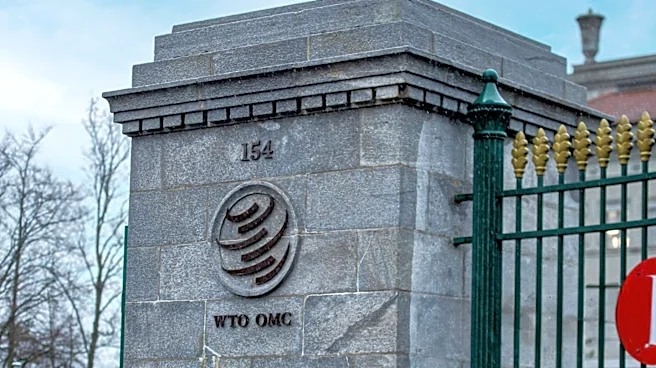
Ethiopia is progressing in its bid to join the World Trade Organization (WTO), with six bilateral trade deals still needing to be signed to complete its accession process. The WTO's Working Party, responsible for reviewing Ethiopia's application, held
its eighth meeting on November 9 and 10, 2026. During this meeting, Ethiopia's Trade Minister Yasmin Wohabrebbi Saeed informed members that 11 out of 17 market-access negotiations have been successfully concluded. The accession process involves two tracks: a bilateral track where Ethiopia negotiates market access with individual WTO members, and a multilateral track where its laws are assessed against WTO rules. The minister highlighted legislative progress in areas such as foreign exchange, payments, customs administration, and taxation since the previous meeting in April. A high-level Ethiopian delegation, including the governor of the central bank, attended the recent meeting, underscoring the government's prioritization of WTO membership.
Why It's Important?
Ethiopia's potential accession to the WTO holds significant implications for international trade and investment, including for U.S. firms. Membership is expected to bring greater predictability to Ethiopia's trade environment, as import licensing, customs, and currency rules would be subject to outside review. This transparency could reduce risks and foster a more stable operating environment for foreign exporters and investors. For Ethiopia, joining the WTO would serve as an "international, legally binding anchor" for ongoing reforms, potentially safeguarding against policy reversals and promoting economic stability. The current state of Ethiopia's economy, including the birr's record low, highlights the importance of predictable trade rules. The successful completion of these trade deals could open up new market opportunities and integrate Ethiopia more deeply into the global trading system, influencing its economic development and trade relationships with major partners.
What's Next?
The timeline for Ethiopia's full WTO accession remains uncertain, as the signing of the remaining six bilateral agreements and the date for a ninth Working Party meeting are yet to be determined. The WTO has indicated that many of the outstanding deals are nearing conclusion, and the next Working Party meeting will depend on the progress made. WTO members have until December 8, 2026, to submit written questions and comments on the Draft Working Party Report, after which the Secretariat will revise the document. The Working Party chair, Rebecca Fisher-Lamb of the United Kingdom, has urged Ethiopia's new government to continue legislative and regulatory reforms swiftly and encouraged ongoing engagement between Ethiopia and member countries. The outcome of these remaining negotiations and the subsequent review process will dictate when Ethiopia can finalize its membership.
Beyond the Headlines
Ethiopia's journey to WTO membership reflects broader shifts in global trade dynamics, where security concerns, climate regulations, labor rules, and domestic subsidy regimes are increasingly influencing market access. While the formal architecture of the WTO remains, the conditions that historically allowed late industrializers to catch up are evolving. For Ethiopia, successful accession could provide a crucial framework for its economic reforms, offering a degree of international oversight and stability that could attract foreign direct investment and facilitate trade. However, the process also highlights the complexities developing nations face in navigating a changing global trade landscape, where the traditional advantages for industrialization are diminishing. The emphasis on predictability and rule-based trade underscores a global trend towards more structured and transparent economic engagements, which could reshape regional and international commerce.