








What's Happening?
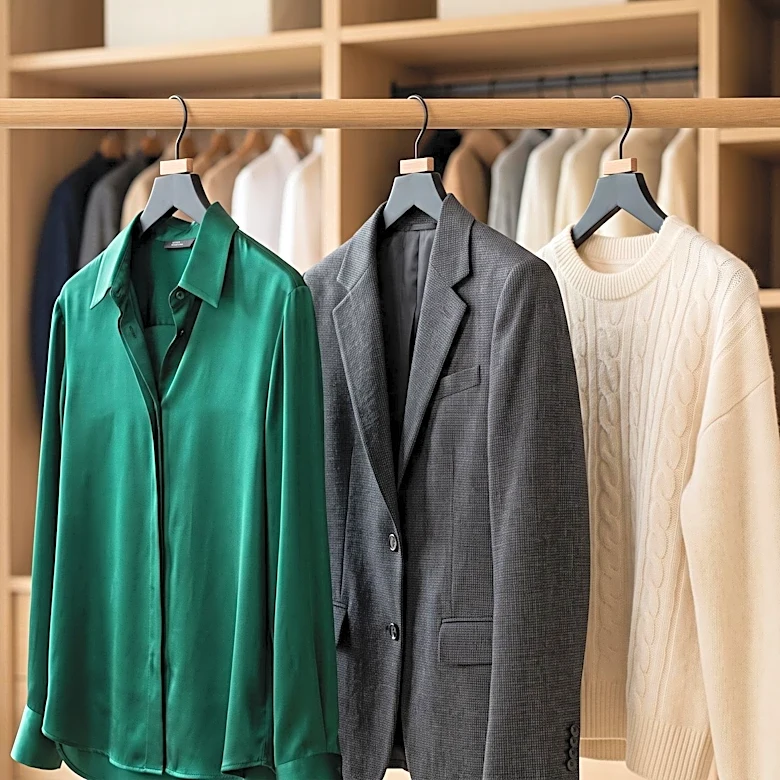
Meta has quietly introduced 'Style Sketch,' an AI-powered fashion application designed to assist users in curating outfit ideas from their existing wardrobes. The app integrates with Instagram, allowing users to build a virtual closet by importing photos
they have previously posted. Alternatively, users can manually add clothing items by taking photos, recording videos, or uploading images from their device's camera roll. Style Sketch then leverages AI to suggest outfit combinations tailored to the user's style and existing wardrobe. A notable feature allows users to virtually try on these suggested outfits on a 'realistic model matched to your body shape and skin tone.' The app also offers trip planning functionalities, where users can input destination, trip length, and activities to receive daily outfit plans that consider weather forecasts and itineraries. Currently, Style Sketch is available on iOS and Android platforms in Indonesia, Singapore, and Thailand. Meta has not yet commented on plans for a wider global release.
Why It's Important?
The launch of Style Sketch signifies Meta's continued expansion into AI-driven applications and its strategy to leverage its vast user data and platform integration, particularly with Instagram. This move could intensify competition within the burgeoning market of AI fashion and wardrobe management apps, where startups like Alta and even Google Photos already offer similar functionalities. Meta's potential advantage lies in Instagram's existing role as a visual record of users' personal styles, which could provide a more seamless and personalized experience compared to apps requiring manual input. For the fashion tech industry, this indicates a growing trend towards personalized AI solutions that aim to simplify daily decision-making for consumers. The success of Style Sketch could influence how other tech giants approach integrating AI into lifestyle applications, potentially driving further innovation in virtual try-ons, personalized styling, and sustainable fashion practices by encouraging users to maximize their current clothing items.
What's Next?
The immediate next step for Style Sketch will likely involve Meta assessing its performance and user adoption in the initial launch markets of Indonesia, Singapore, and Thailand. User feedback and engagement metrics from these regions will be crucial in determining whether Meta proceeds with a broader rollout to other countries, including the United States. If successful, Meta might further integrate Style Sketch's features directly into Instagram or Facebook, enhancing its social commerce capabilities and user engagement. Competitors in the AI fashion app space will likely monitor Style Sketch's progress closely, potentially leading to accelerated development of their own features or strategic partnerships. The app's future could also involve more advanced AI capabilities, such as style trend analysis, personalized shopping recommendations for new items, or even integration with augmented reality for more immersive virtual try-on experiences. Meta's silence on future plans suggests a cautious, data-driven approach to its expansion.
Beyond the Headlines
The introduction of Style Sketch by Meta highlights a broader societal shift towards leveraging artificial intelligence for highly personalized lifestyle management. Beyond mere convenience, such apps could subtly influence consumer behavior by promoting more mindful consumption and potentially reducing impulse purchases of new clothing, as users are encouraged to maximize their existing wardrobes. This aligns with growing trends in sustainability within the fashion industry. However, it also raises questions about data privacy, particularly how Meta utilizes users' Instagram photos and personal style data to power these AI recommendations. The accuracy and inclusivity of the 'realistic model matched to your body shape and skin tone' feature will also be under scrutiny, as AI models can sometimes perpetuate biases present in their training data. The long-term impact could see a blurring of lines between social media, personal styling, and e-commerce, creating a more integrated digital fashion ecosystem.