






What's Happening?
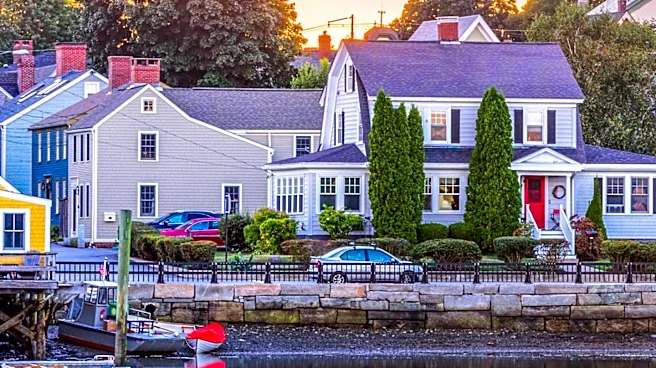
Massachusetts boasts several waterfront towns that are popular destinations for tourism, offering a blend of historical significance and natural beauty. Gloucester, established in 1623, is recognized as America's oldest seaport, with a working waterfront that continues
to thrive. It features landmarks like the Fishermen's Memorial, which commemorates local fishermen lost at sea, and popular beaches such as Good Harbor and Wingaersheek. Provincetown, located at the northern tip of Cape Cod, combines its fishing town heritage with a vibrant arts scene, hosting numerous galleries and the Provincetown Art Association and Museum. Newburyport, situated north of Boston, showcases Federal-era architecture along the Merrimack River and provides access to the Parker River National Wildlife Refuge on Plum Island, a significant bird migration spot. Edgartown, on Martha's Vineyard, is a former whaling capital known for its historic captains' houses and a charming downtown area with unique shops and restaurants. These towns offer diverse attractions, from antique stores and seafood restaurants to art galleries and natural preserves, catering to various visitor interests.
Why It's Important?
The appeal of these Massachusetts waterfront towns is significant for the state's tourism industry and local economies. By offering unique historical, cultural, and natural attractions, they draw visitors seeking diverse experiences, from exploring maritime history to enjoying coastal landscapes and artistic communities. This influx of tourism supports local businesses, including hotels, restaurants, shops, and tour operators, contributing to job creation and economic stability in these regions. The preservation of historic sites, such as Gloucester's Fishermen's Memorial and Edgartown's whaling-era architecture, also plays a crucial role in maintaining the cultural heritage of Massachusetts, attracting history enthusiasts and providing educational opportunities. Furthermore, the natural beauty of these areas, including beaches and wildlife refuges, promotes outdoor recreation and eco-tourism, highlighting the importance of environmental conservation for sustained visitor interest and local well-being.
What's Next?
As these Massachusetts waterfront towns continue to attract tourists, future developments may focus on enhancing visitor infrastructure and promoting sustainable tourism practices. This could involve further investment in local amenities, such as improved transportation links, expanded lodging options, and diverse dining experiences, to accommodate growing visitor numbers. Efforts might also be directed towards preserving the historical integrity of these towns while integrating modern conveniences, ensuring that their unique character remains intact. Additionally, there could be an increased emphasis on promoting off-season tourism to distribute economic benefits throughout the year and reduce the impact of peak season crowds. Local authorities and tourism boards may also explore new marketing strategies to highlight specific attractions, such as Gloucester's fishing heritage or Provincetown's art scene, to attract niche markets and further diversify their visitor base.
Beyond the Headlines
Beyond their immediate economic impact, the enduring popularity of these Massachusetts waterfront towns reflects broader societal values placed on heritage, community, and natural beauty. These towns serve as living museums, offering a tangible connection to America's maritime past and the evolution of coastal communities. The blend of working waterfronts, historic architecture, and vibrant cultural scenes fosters a sense of place that is increasingly valued in a rapidly modernizing world. The emphasis on local seafood, art, and unique shopping experiences also speaks to a growing consumer preference for authentic, locally sourced products and experiences. Furthermore, the presence of natural preserves like the Parker River National Wildlife Refuge underscores a collective appreciation for environmental conservation and the importance of protecting coastal ecosystems, which are vital for both ecological balance and recreational opportunities. These towns exemplify how historical preservation and natural stewardship can coalesce to create compelling and sustainable destinations.