




What's Happening?
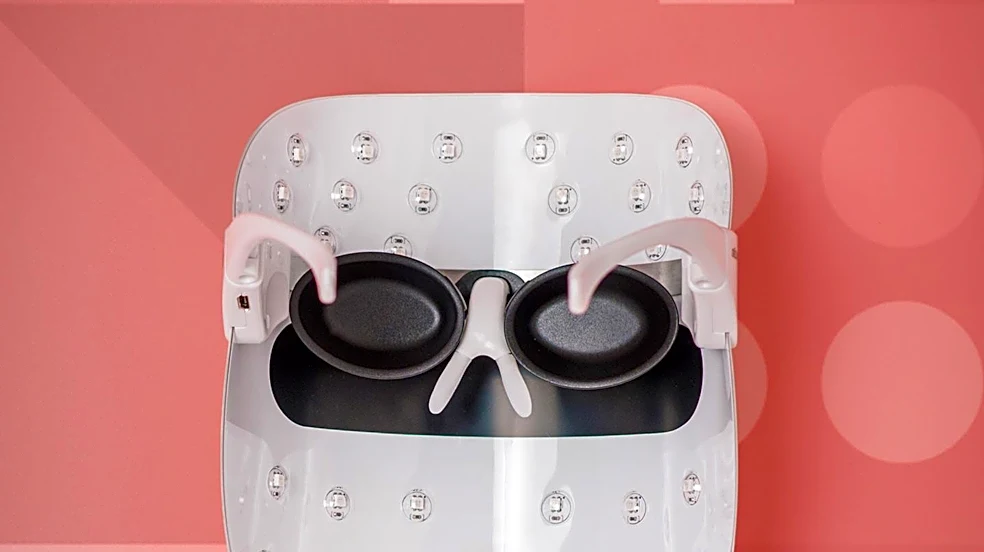
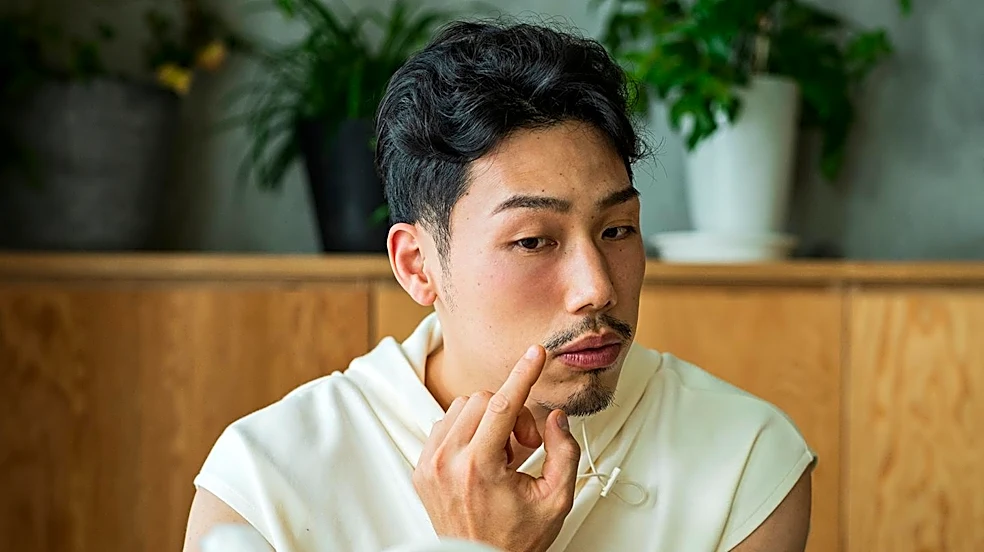
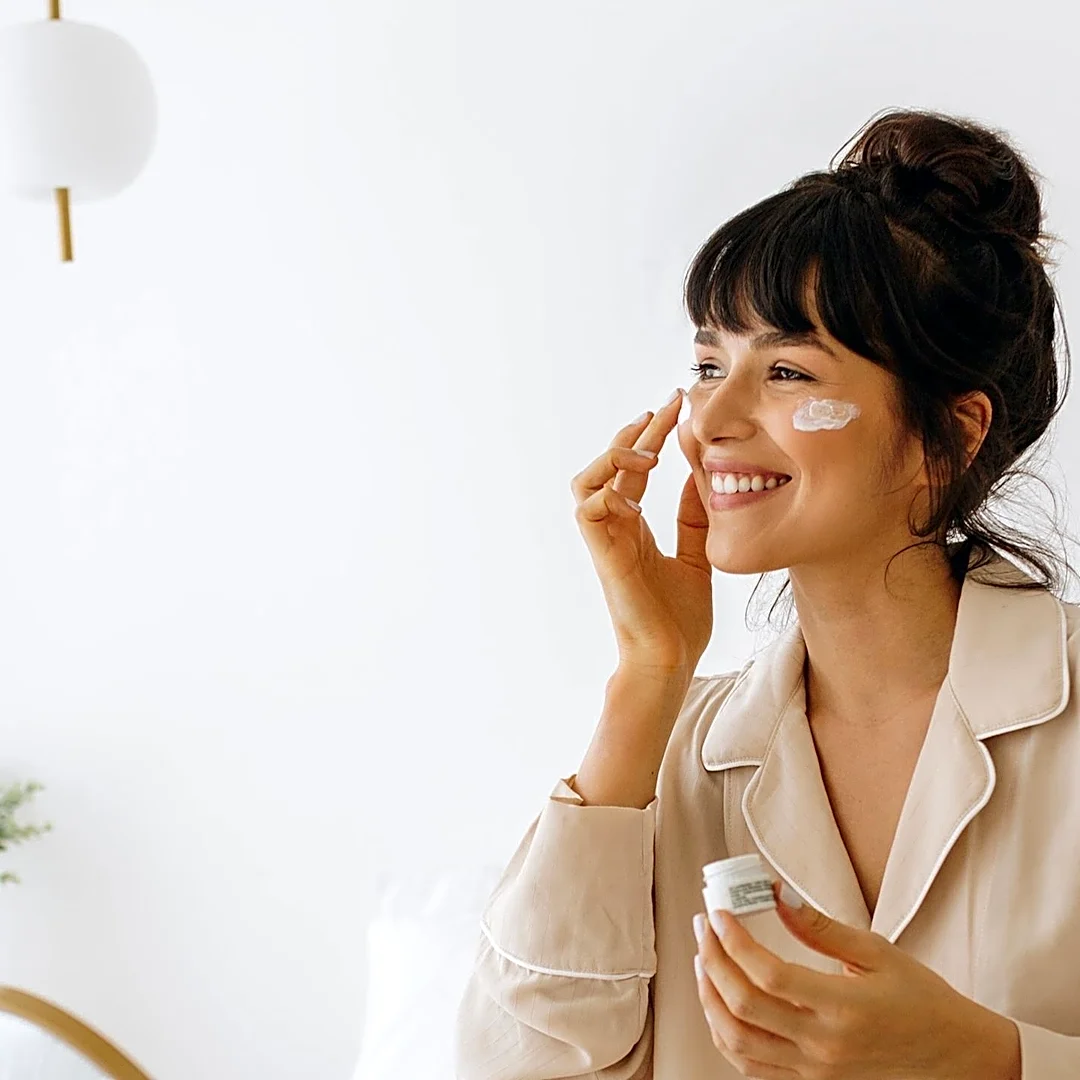
Men over 40 are increasingly investing in skincare products, prompting a discussion on which items offer genuine benefits versus those that are merely expensive. The market is saturated with various products, from cleansers and moisturizers to serums
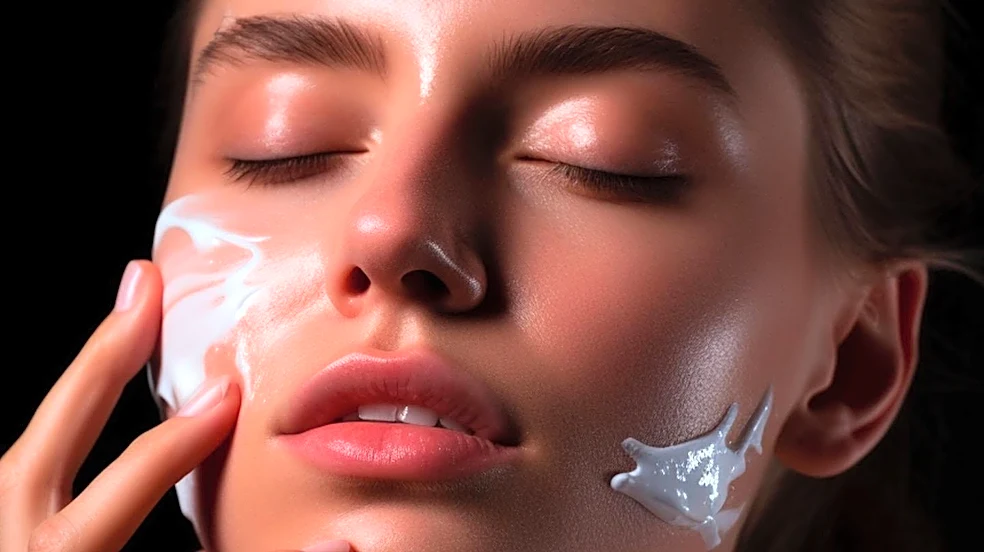
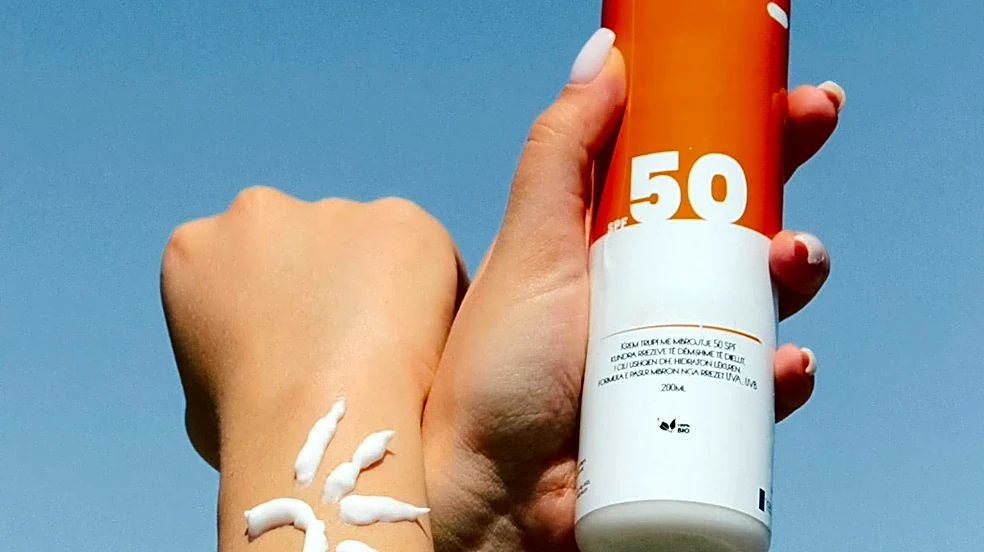
and eye creams, all promising anti-aging effects. However, experts suggest that effectiveness doesn't always correlate with price. Key ingredients like glycerin, ceramides, and hyaluronic acid can help retain moisture and support the skin's protective barrier without a luxury price tag. The American Academy of Dermatology recommends broad-spectrum, water-resistant sunscreen with SPF 30 or higher as a crucial product to prevent sun damage, which is a primary contributor to skin aging and cancer risk. Retinol is also highlighted for its ability to address fine lines and uneven skin tone, though it requires cautious introduction to avoid irritation. The emphasis is on building a simple, consistent routine rather than accumulating numerous products.
Why It's Important?
This trend signifies a shift in societal norms regarding men's grooming and self-care in the U.S., indicating a growing market for male-focused skincare. The increased spending reflects a desire among men to maintain a youthful appearance and address skin concerns, which can have implications for the beauty and personal care industries. Companies are adapting their marketing strategies to cater to this demographic, leading to a proliferation of products. For consumers, understanding which products are genuinely effective versus those relying on marketing hype is crucial to avoid unnecessary expenditure and potential skin irritation. The focus on sun protection and basic moisturization underscores the importance of preventative care and foundational skincare practices, which can lead to better long-term skin health and potentially reduce the need for more intensive treatments later. This also highlights a broader cultural acceptance of men engaging in detailed personal care routines.
What's Next?
As this market segment continues to grow, consumers can expect to see more targeted product development and marketing campaigns aimed at men over 40. There will likely be an increased emphasis on education regarding effective ingredients and the importance of a consistent, simple skincare routine. Dermatologists and skincare professionals may see a rise in male clients seeking advice on anti-aging and skin health. The industry may also face pressure to be more transparent about product efficacy and ingredient lists, moving away from vague claims towards evidence-based benefits. Furthermore, the integration of skincare into men's daily routines could become more normalized, potentially influencing younger generations' attitudes towards self-care. The ongoing challenge will be to differentiate between genuinely beneficial products and those that are overpriced or ineffective, guiding consumers towards informed choices.
Beyond the Headlines
The rising interest in anti-aging skincare among men over 40 reflects deeper societal shifts concerning masculinity, appearance, and the aging process. Historically, skincare was often perceived as a predominantly female domain, but this trend indicates a breakdown of traditional gender stereotypes in personal care. It suggests a growing comfort among men in investing in their appearance and well-being, potentially driven by factors such as increased longevity, social media influence, and a competitive professional environment where appearance can play a role. This shift could also be linked to broader discussions about self-care and mental health, as taking care of one's physical appearance can contribute to overall confidence and well-being. The emphasis on preventative measures like sunscreen also highlights a greater awareness of health risks, such as skin cancer, and a proactive approach to mitigating them. This cultural evolution could lead to a more holistic view of men's health and wellness in the U.S.