





What's Happening?
The price of nickel increased by 2.39% yesterday, reaching US$18,253 per tonne, following reports that Chinese nickel producers are planning to reduce output in Indonesia. Executives from major producers, including Tsingshan Holding Group, GEM, Lygend
Resources & Technology, and Zhejiang Huayou Cobalt, are expected to finalize a coordinated output reduction this week. These discussions focus on cutting production at high-pressure acid leaching plants, which would decrease the supply of mixed hydroxide precipitate, a key intermediate product for battery-grade nickel. This price surge occurs despite a 1.44% monthly decrease in nickel prices, though the metal has seen a 5.92% yearly increase, according to Trading Economics.
Why It's Important?
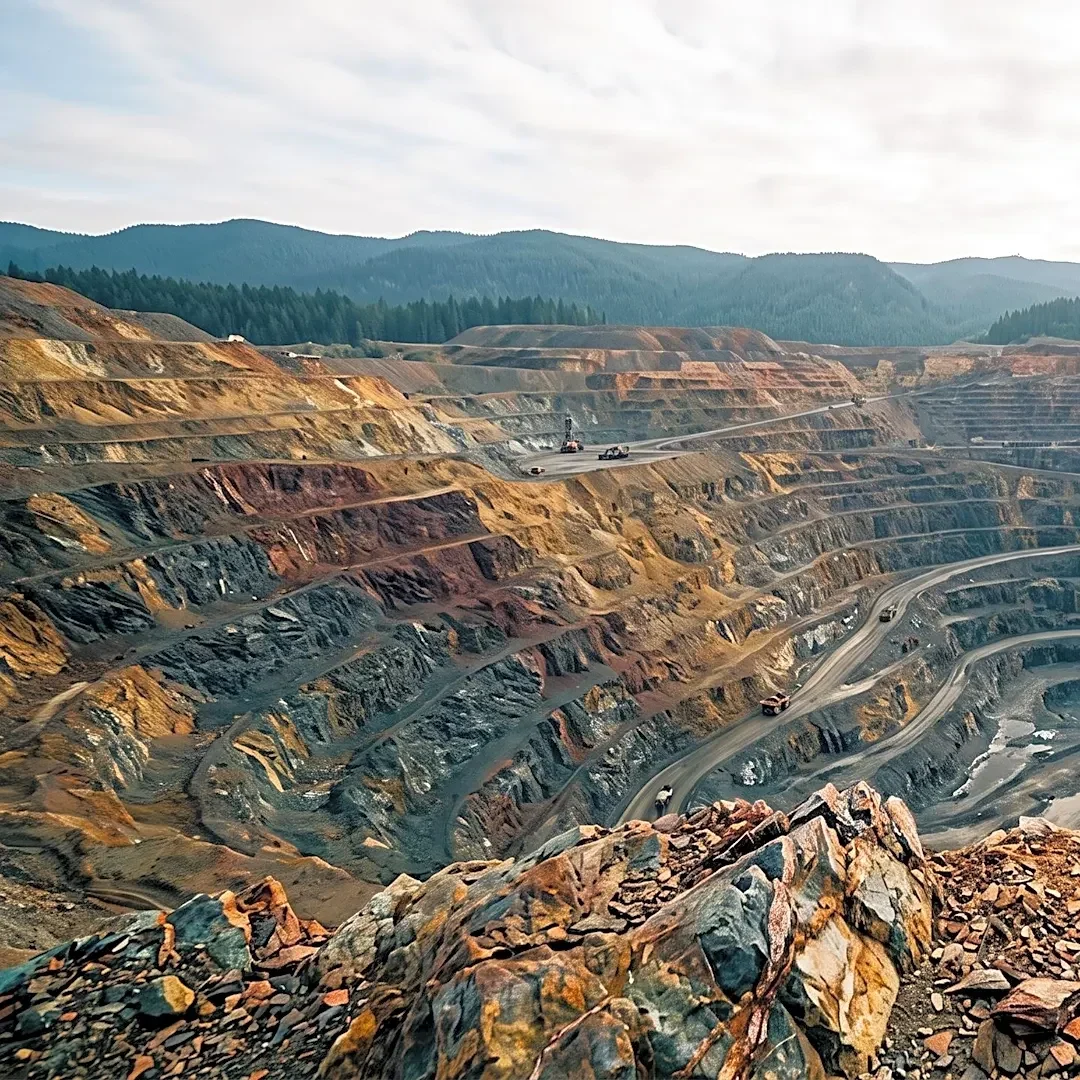
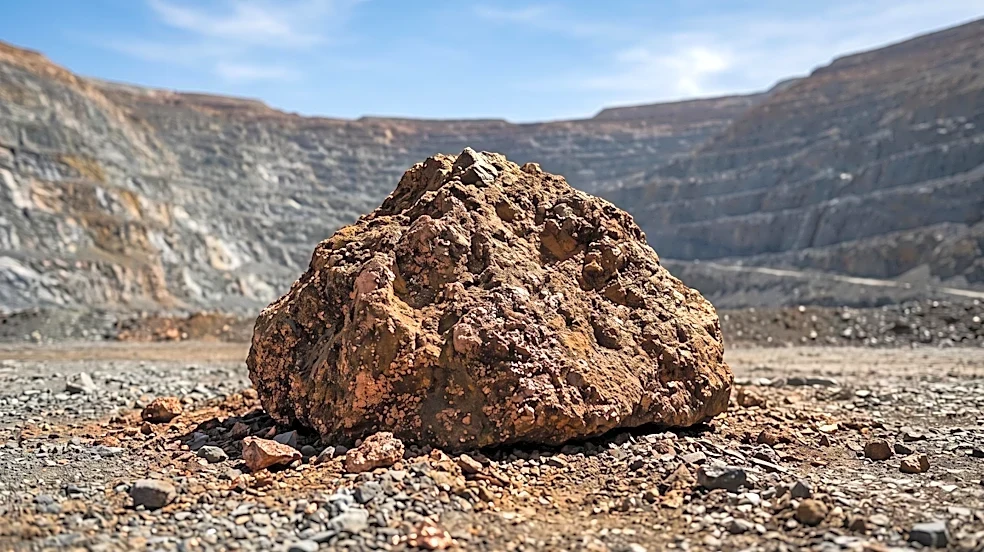
Indonesia is the world's largest nickel producer, and any significant reduction in its output can have a substantial impact on global supply and prices. Nickel is a critical component in electric vehicle batteries and stainless steel, making its price fluctuations important for various industries, including automotive, electronics, and construction. A coordinated production cut by major Chinese producers in Indonesia could lead to higher nickel prices, affecting manufacturing costs for companies reliant on this metal. This situation could benefit nickel producers in other regions, such as Australia, which holds the world's second-largest nickel reserves but has struggled with competitiveness. Higher prices might incentivize new investments in nickel mining and processing outside of Indonesia, potentially diversifying the global supply chain.
What's Next?
The upcoming meeting of Chinese nickel producers in Indonesia will be crucial in determining the extent and finalization of the proposed production cuts. If these cuts are implemented as planned, the global nickel market could experience sustained price increases. This could lead to a re-evaluation of nickel mining projects in other countries, particularly Australia, where companies like Terra Metals are actively exploring and developing nickel resources. The shift in supply dynamics might also prompt battery manufacturers and other industrial users to seek alternative sources or explore new technologies to reduce their reliance on nickel. The long-term impact will depend on the duration and scale of the production cuts, as well as the response from other major nickel-producing nations.
Beyond the Headlines
This development highlights the intricate relationship between global commodity markets, geopolitical factors, and environmental considerations. Indonesia's dominance in nickel production has been a significant factor in global supply, but concerns about environmental impact and labor practices in some regions have also been raised. A potential shift in production away from Indonesia could lead to a re-evaluation of supply chain ethics and sustainability. Furthermore, the strategic importance of critical minerals like nickel for the green energy transition means that control over their supply can have significant geopolitical implications. This situation underscores the ongoing efforts by various nations to secure their supply chains for critical minerals, reducing dependence on single sources and mitigating risks associated with supply disruptions.