





What's Happening?
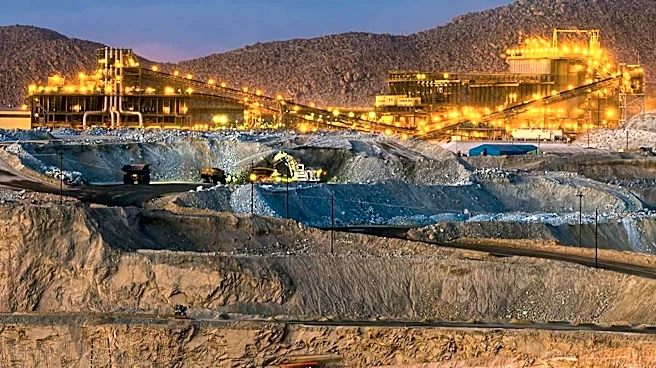
Freeport Indonesia, an affiliate of U.S. miner Freeport-McMoRan (NYSE: FCX), is offering copper from its Manyar smelter to Chinese buyers at a premium of $158 per metric ton for 2027. This marks the first time copper cathode from the Manyar smelter, which
has a capacity of 480,000 tons per year, has been marketed on an annual basis. Production at the smelter was curtailed following a mudslide at the Grasberg mine in September 2025. The $158 premium, which is paid on top of benchmark London Metal Exchange (LME) copper prices for physical metal, applies to all Asian export markets. This offer comes during Asia Copper Week in Shanghai, amidst a significant shortage of copper in China, the world's largest metals consumer. Copper exchange inventories in China currently represent less than a day's worth of national consumption. The Manyar smelter's copper is not yet a deliverable brand on the Shanghai Futures Exchange or the LME, meaning it is expected to go directly to the physical market. The closely watched Yangshan premium, a gauge of China's appetite for spot copper imports, recently rose to a record $350 a ton.
Why It's Important?
This development is highly significant for the global copper market and has direct implications for U.S. mining interests and industries reliant on copper. Freeport-McMoRan, a major U.S. mining company, is leveraging its Indonesian affiliate to capitalize on the acute copper shortage in China. The $158/ton premium reflects strong demand and tight supply, indicating a robust market for copper. For U.S. manufacturers and technology companies that use copper in everything from electronics to renewable energy infrastructure, this premium signals potentially higher input costs, which could affect profitability and consumer prices. The fact that Manyar copper is going directly to the physical market in China, rather than through exchanges, highlights the urgency of China's demand and its willingness to pay a premium to secure supplies. This situation underscores the critical role of global supply chains and the impact of commodity prices on various sectors of the U.S. economy, from construction to electric vehicle production.
What's Next?
The offer from Freeport Indonesia is expected to help alleviate some of the immediate copper shortage in China, but the high premium suggests that tight market conditions are likely to persist into 2027. The continued high Yangshan premium indicates that China's demand for spot copper imports remains strong. Other global copper producers may follow suit by seeking higher premiums for their supplies to Asian markets. The situation could also accelerate efforts by U.S. and other Western nations to secure their own critical mineral supplies and potentially invest in domestic mining and refining capacities to reduce reliance on volatile international markets. The long-term impact will depend on global mining output, new discoveries, and the pace of demand growth, particularly from the burgeoning electric vehicle and renewable energy sectors. The market will closely watch whether Manyar copper eventually becomes a deliverable brand on major exchanges, which could further integrate it into global trading mechanisms.
Beyond the Headlines
The copper market dynamics highlighted by Freeport Indonesia's offer reveal deeper geopolitical and economic currents. The acute shortage in China, coupled with its status as the world's largest metals consumer, underscores its immense industrial appetite and its strategic importance in global supply chains. This situation could intensify the global competition for critical minerals, potentially leading to resource nationalism and strategic alliances between producing and consuming nations. For the U.S., ensuring access to stable and affordable copper supplies is crucial for its technological advancement and national security, especially given its ambitious goals for renewable energy and electric vehicle adoption. The incident at the Grasberg mine, which curtailed production, also serves as a reminder of the environmental and operational risks inherent in mining, which can significantly impact global commodity markets. The ethical implications of mining practices, including environmental stewardship and community relations, will likely gain more prominence as demand for these critical resources continues to surge.