






What's Happening?
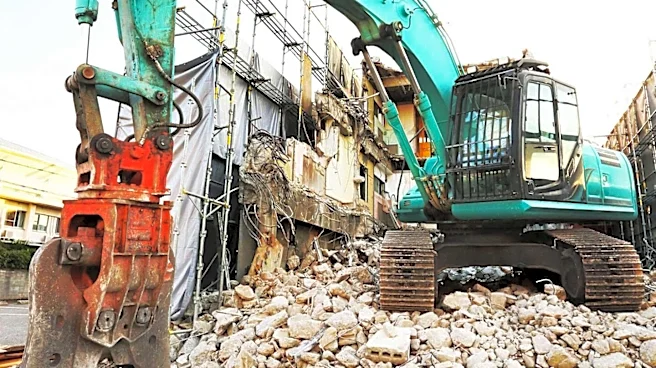
Long Island construction sites are experiencing a rise in accidents, particularly in demolition work, which is inherently hazardous due to factors like sudden uncontrolled collapses and the presence of toxic materials such as asbestos. Block O’Toole &
Murphy, a law firm specializing in construction accidents, has secured significant settlements for workers injured in various incidents, including falls from scaffolding, crush injuries from excavators, and falls from roofs. The firm emphasizes that while workers' compensation is typically available, lawsuits against responsible third parties like general contractors or site owners are often possible. The evolving development patterns on Long Island, with increased transit-oriented housing, commercial redevelopment, and industrial construction, are contributing to new accident risks. Commercial redevelopment, in particular, frequently involves demolition, increasing exposure to hazards.
Why It's Important?
The prevalence of construction accidents on Long Island underscores critical safety concerns within the U.S. construction industry. These incidents lead to severe injuries, financial burdens for workers and their families, and potential legal liabilities for contractors and developers. The presence of toxic materials like asbestos during demolition poses long-term health risks, impacting public health beyond the immediate accident site. The legal framework, including New York's Labor Law 240, aims to protect workers from gravity-related accidents, but exemptions and complex interpretations can affect outcomes. The financial implications of these accidents are substantial, involving medical costs, lost wages, and legal settlements, which can impact insurance premiums and project costs across the industry. The shift in Long Island's development towards more complex projects necessitates heightened vigilance in safety protocols and risk management.
What's Next?
As Long Island continues its development trajectory, particularly with more demolition and complex construction projects, there will likely be increased scrutiny on construction site safety. Legal firms like Block O’Toole & Murphy will continue to advocate for injured workers, potentially leading to more lawsuits and higher settlements, which could drive changes in industry practices. Regulatory bodies may face pressure to enhance oversight and enforce stricter safety standards, especially concerning hazardous materials and demolition procedures. Construction companies and developers will need to invest more in safety training, equipment, and risk assessment to mitigate liabilities and protect their workforce. The ongoing legal interpretations of labor laws will also shape future responsibilities and protections for construction workers.
Beyond the Headlines
The issue of construction accidents, especially those involving toxic materials, extends beyond immediate injuries to broader societal and ethical considerations. The long-term health effects of exposure to substances like asbestos can manifest years after initial contact, leading to chronic illnesses and increased healthcare burdens. This raises questions about corporate responsibility, ethical sourcing of materials, and the adequacy of current safety regulations. The economic pressure to complete projects quickly and cost-effectively can sometimes compromise safety standards, highlighting a tension between profit motives and worker well-being. Furthermore, the legal battles often reveal systemic failures in safety management, prompting a deeper examination of how construction projects are planned, executed, and regulated to ensure a safer working environment for all.