









What's Happening?
The energy sector is experiencing significant strategic investments despite ongoing geopolitical tensions and economic concerns. Recent military actions between the U.S. and Iran caused a temporary spike in crude oil prices, highlighting the volatility
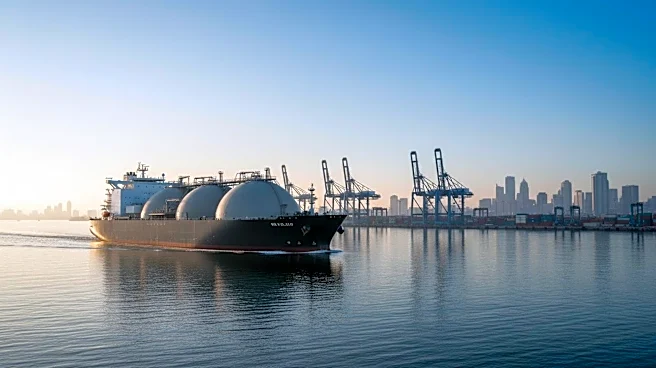
in the market. However, the focus remains on long-term investments in natural gas, nuclear power, and technologies aimed at improving production efficiency. Notable developments include Marubeni's acquisition of EagleRidge Energy, ADNOC's $900 million order for new LNG carriers, and Chevron's investment in advanced shale recovery technology. These moves underscore a broader industry trend towards securing long-term supply and enhancing global energy security.
Why It's Important?
The ongoing investments in the energy sector are crucial as they reflect a strategic shift towards securing reliable energy sources amidst geopolitical uncertainties. The focus on LNG and nuclear power indicates a growing emphasis on stable baseload generation, which is essential for meeting increasing global power demands driven by industrial growth and electrification. These investments also suggest that major energy producers are preparing for a competitive global supply environment, with LNG expected to play a pivotal role in future energy markets. The industry's capital allocation decisions highlight a commitment to innovation and infrastructure development, which are vital for sustaining long-term production growth.
What's Next?
As geopolitical tensions persist, the energy sector is likely to continue experiencing volatility in the short term. However, the industry's focus on long-term investments suggests a strategic pivot towards securing future energy supplies. Stakeholders, including governments and energy companies, may need to reassess their strategies to adapt to the evolving market dynamics. The continued expansion of LNG export capabilities and advancements in recovery technologies are expected to shape the future landscape of the energy sector. Additionally, regulatory reforms in resource-rich nations like Venezuela could attract further international investment, influencing global energy supply chains.
Beyond the Headlines
The current developments in the energy sector may have deeper implications for global energy security and economic stability. The emphasis on LNG and nuclear power could lead to a more diversified energy mix, reducing reliance on traditional fossil fuels and enhancing resilience against supply disruptions. Furthermore, the industry's investment in advanced technologies may drive innovation, leading to more efficient and sustainable energy production methods. These shifts could also impact geopolitical relations, as countries seek to secure energy resources and strengthen their positions in the global market.