






What's Happening?
Senior fitness programs are increasingly focusing on a comprehensive approach to health, incorporating flexibility, balance, strength, and cardiovascular activities. These programs are specifically designed to cater to the individual abilities and health conditions
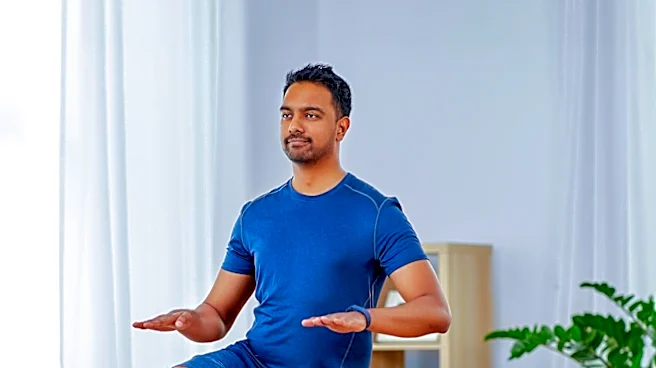
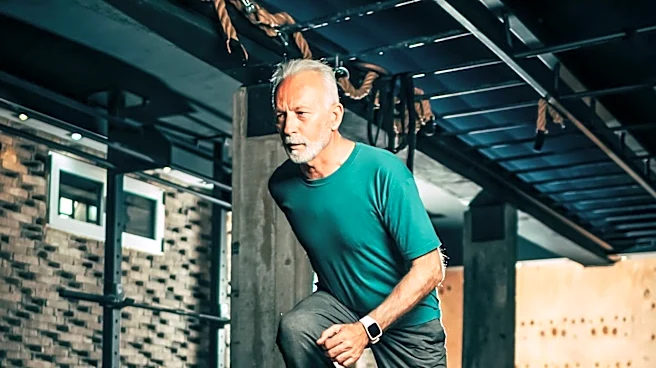
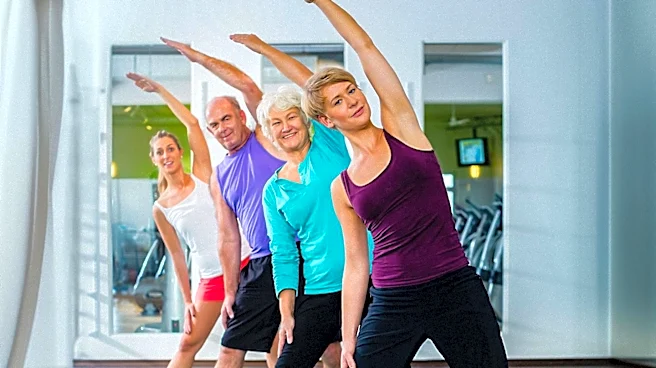
of older adults. Flexibility exercises, such as gentle yoga or tai chi, are crucial for improving joint mobility and reducing stiffness. Balance training, which includes simple routines like standing on one foot or heel-to-toe walking, is vital for mitigating the risk of falls, a significant concern in this demographic. Strength training, often involving light weights or resistance bands, helps build muscle mass, which naturally declines with age, thereby aiding in daily tasks and reducing fall risks. Cardiovascular activities like walking, swimming, or cycling are also recommended to enhance heart health and endurance. These diverse components collectively aim to maintain independence, improve quality of life, and promote overall well-being among seniors. Consulting a doctor before starting any new exercise routine is strongly advised to ensure safety and suitability.
Why It's Important?
The emphasis on tailored senior fitness programs is critical for addressing the unique health challenges faced by older adults in the U.S. As the population ages, maintaining physical independence and reducing healthcare costs associated with age-related conditions become paramount. These programs directly combat issues such as muscle loss, decreased flexibility, and impaired balance, which can lead to falls and subsequent injuries, placing a significant burden on the healthcare system. By promoting regular physical activity, these initiatives help seniors maintain their ability to perform daily activities, fostering a higher quality of life and reducing reliance on long-term care. Furthermore, the social interaction often built into group fitness classes can combat loneliness and depression, contributing to mental well-being. This holistic approach not only benefits individuals by extending their active years but also has broader societal implications by potentially lowering healthcare expenditures and supporting a more engaged senior population.
What's Next?
The trend towards specialized and accessible senior fitness programs is expected to continue growing, with an increasing focus on community-based initiatives and virtual options. Healthcare providers and fitness professionals will likely collaborate more closely to integrate exercise prescriptions into routine senior care, ensuring that programs are medically appropriate and effective. There will be a continued development of adaptive exercises and equipment, such as anti-burst exercise balls with stability features, to accommodate varying physical limitations and enhance safety. Furthermore, technology will play a larger role, with more online resources and virtual classes becoming available, allowing seniors to exercise from the comfort of their homes. The emphasis will also shift towards personalized fitness plans that consider individual health histories and preferences, aiming to make exercise a sustainable and enjoyable part of daily life for older adults. Public health campaigns may also increase to raise awareness about the benefits of senior fitness and encourage participation.
Beyond the Headlines
Beyond the immediate physical benefits, the rise of comprehensive senior fitness programs reflects a broader societal shift in how aging is perceived and managed. These programs challenge traditional notions of aging as a period of decline, instead promoting an active and engaged lifestyle. The focus on balance and fall prevention, for instance, highlights a proactive approach to health that prioritizes preventative care over reactive treatment. Ethically, these programs underscore the importance of providing equitable access to health-promoting activities for all age groups, recognizing the right of older adults to maintain their physical and mental vitality. Culturally, they foster a sense of community and purpose among seniors, combating social isolation and promoting intergenerational connections. This movement signifies a long-term shift towards valuing healthy aging as a continuous process, with significant implications for urban planning, public policy, and the design of age-friendly communities that support active and independent living.