




What's Happening?
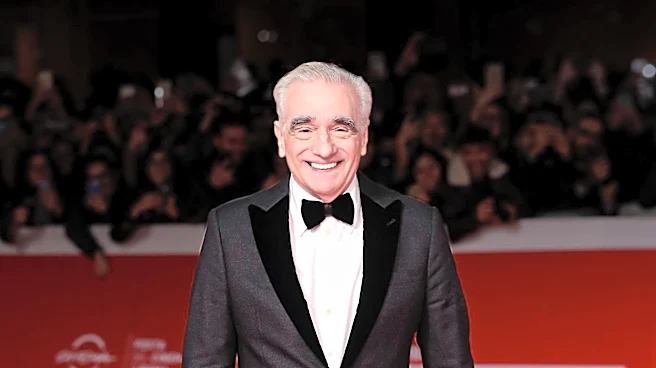
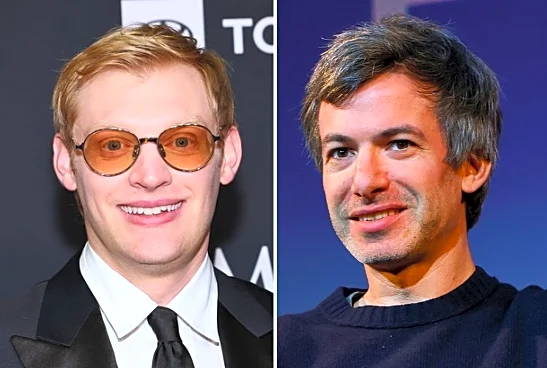
Filmmaker Martin Scorsese has jokingly attributed the cancellation of his planned Cleopatra biopic, which was set to star Angelina Jolie, to Seth Rogen. During a conversation with his daughter, Francesca, for Tribeca's 'Crafty' video series, Scorsese recounted
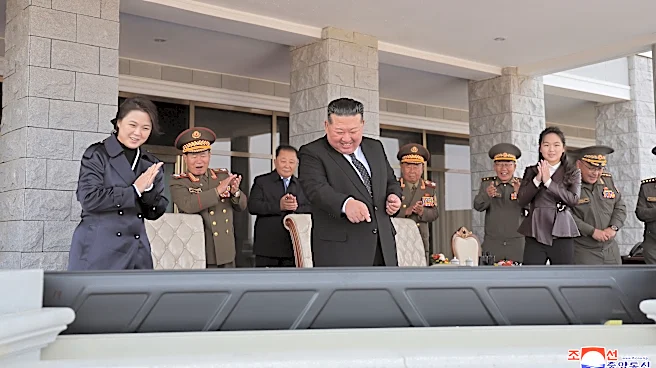
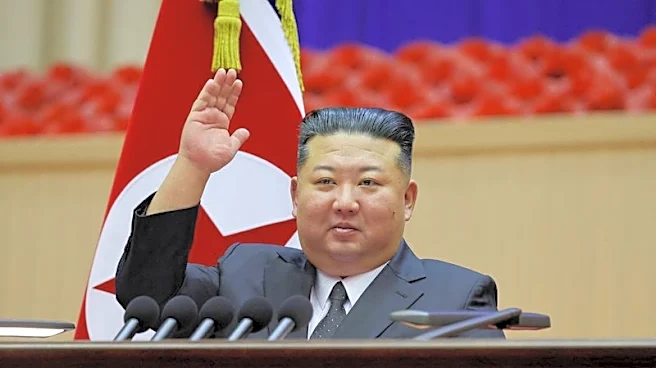
that the project was derailed due to the fallout from Rogen and James Franco's 2014 film, 'The Interview.' That movie, a satirical comedy about an assassination plot against North Korean leader Kim Jong Un, provoked threats from the North Korean government and led to a significant cyberattack on Sony Pictures. Scorsese stated that the controversy surrounding 'The Interview' 'blew everything up' for his Cleopatra film, which he described as having been 'crazy' and with Eric Roth attached to write the script.
Why It's Important?
This anecdote from Martin Scorsese highlights the unforeseen and far-reaching consequences that can arise from geopolitical tensions intersecting with the entertainment industry. The cancellation of a major historical epic, especially one helmed by a director of Scorsese's caliber and starring Angelina Jolie, represents a significant loss for cinematic history. It underscores how external political events, such as the controversy surrounding 'The Interview' and the subsequent Sony Pictures hack, can directly impact creative projects and studio decisions. The incident also serves as a reminder of the vulnerabilities of major studios to cyberattacks and the potential for such events to disrupt production schedules and financial investments, affecting numerous stakeholders within the film industry.
What's Next?
While the Cleopatra project is long canceled, Scorsese's recent comments may reignite discussions about the delicate balance between artistic freedom and geopolitical sensitivities in filmmaking. The anecdote could also prompt renewed interest in the unmade film, leading to speculation about what Scorsese's vision for Cleopatra would have entailed. For Seth Rogen, this humorous 'blame' from a legendary director adds another layer to the legacy of 'The Interview,' a film already known for its controversial impact. The story serves as a cautionary tale within Hollywood, reminding studios and filmmakers of the potential for international incidents to derail even the most ambitious projects, influencing future risk assessments for politically charged content.
Beyond the Headlines
Scorsese's humorous accusation touches upon deeper implications concerning censorship, artistic expression, and the global reach of media. The incident surrounding 'The Interview' demonstrated how a comedic film could trigger international political responses, leading to real-world consequences like cyberattacks and project cancellations. This highlights the complex interplay between entertainment, diplomacy, and national security. It also raises questions about the extent to which filmmakers should consider potential geopolitical repercussions when creating content, especially when it involves sensitive international figures. The story underscores the vulnerability of creative industries to external pressures and the ongoing challenge of balancing artistic freedom with potential political or economic fallout in an increasingly interconnected world.