




What's Happening?
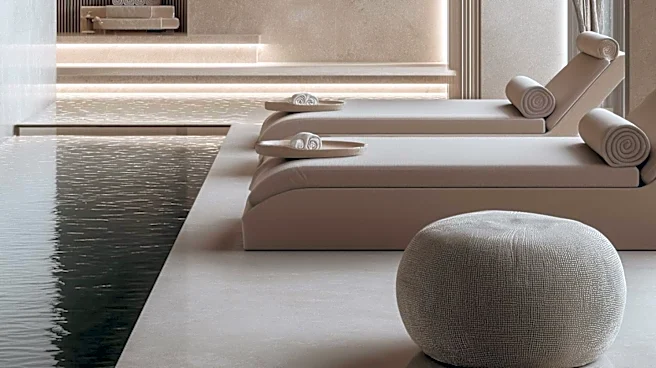
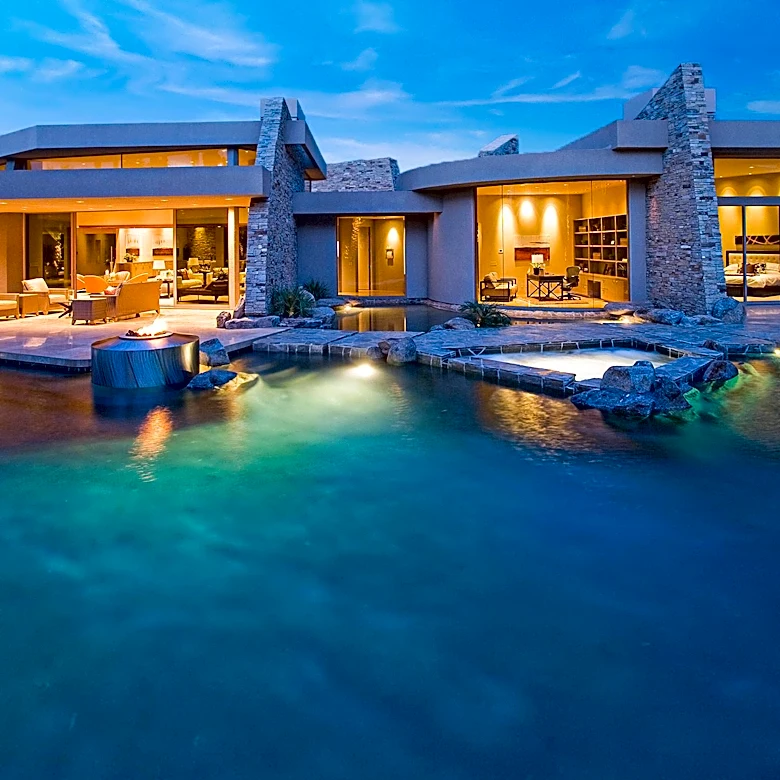
Luxury homes are increasingly being designed to include wellness retreat features such as saunas, cold plunges, and dedicated fitness spaces. This trend, observed by Revive Design and Renovation, indicates a shift in homeowner priorities from purely aesthetic
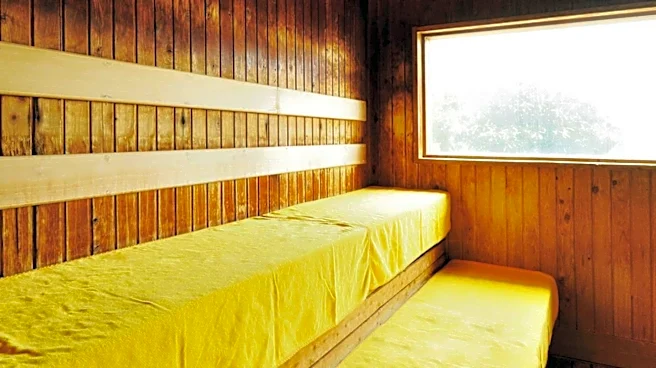
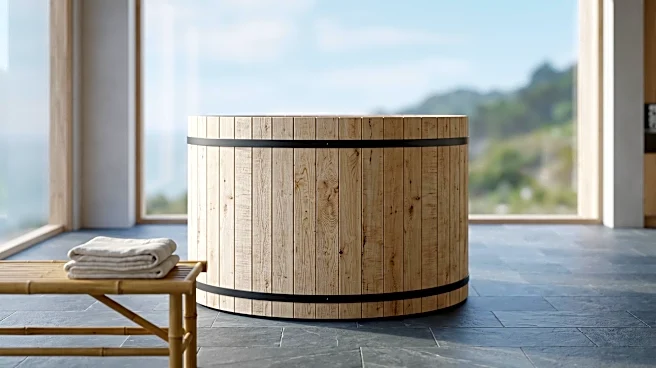
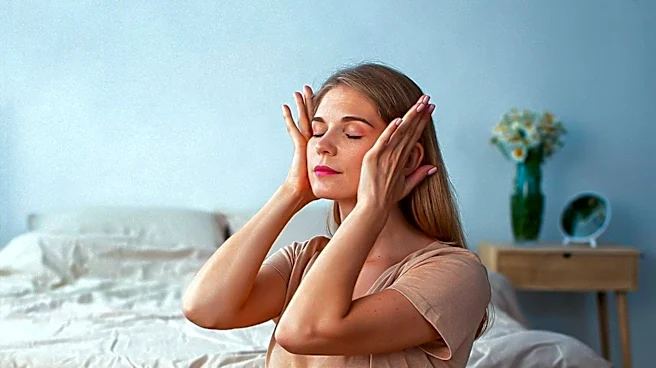
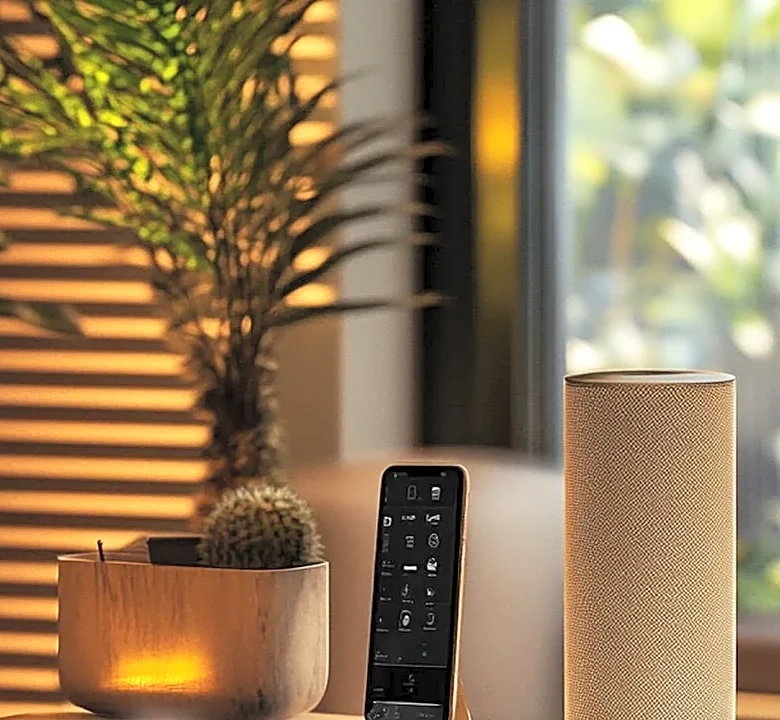
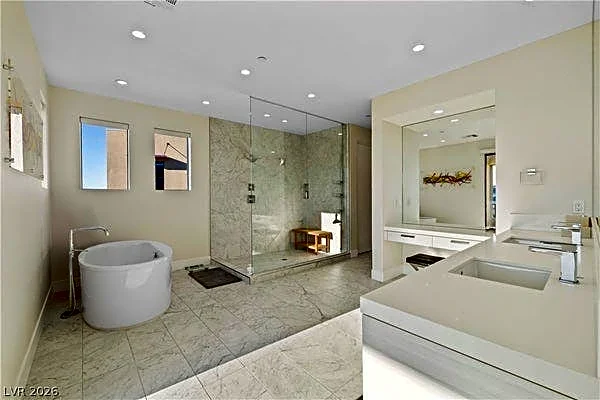
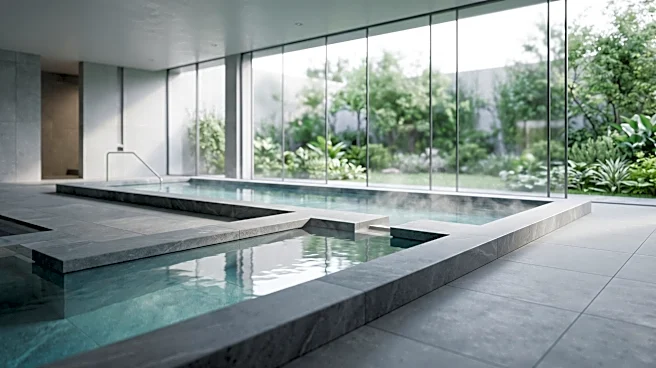
upgrades to investments in physical and mental well-being. Homeowners are transforming primary bathrooms into wellness sanctuaries, expanding footprints to include custom saunas that open into wet rooms with cold plunges and luxury showers. Beyond major renovations, smaller wellness features are also being integrated, such as beverage refrigerators for supplements, improved lighting systems for better sleep, and smart home technology to control environmental elements like lighting and music. This movement is appealing across generations, with both established and younger homeowners viewing these remodels as investments in quality of life rather than just property value.
Why It's Important?
This growing trend in luxury home design signifies a significant shift in consumer values within the U.S. housing market. Homeowners are increasingly prioritizing health and well-being, integrating wellness amenities that were once exclusive to resorts and spas into their daily lives. This has implications for the construction and interior design industries, driving demand for specialized contractors and designers proficient in creating these wellness-focused spaces. Economically, it represents a new segment of the renovation market, potentially boosting sales for manufacturers of high-end wellness equipment. Socially, it reflects a broader cultural movement towards self-care and preventative health, where the home becomes a central hub for personal well-being, reducing reliance on external wellness facilities and promoting a more integrated approach to healthy living.
What's Next?
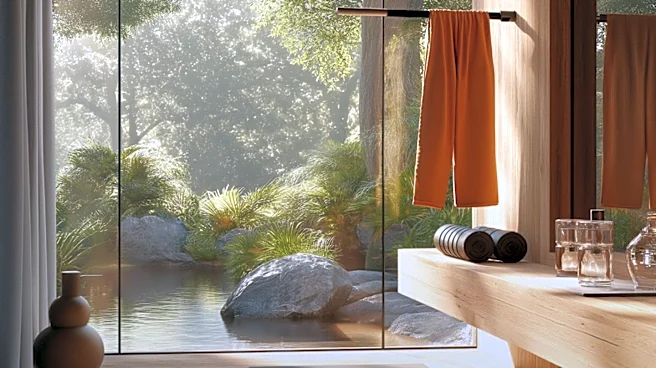
The integration of wellness features into luxury homes is expected to continue its upward trajectory, potentially becoming a standard expectation in high-end residential properties. This trend could lead to innovations in home technology, with more sophisticated systems designed to manage environmental factors like air quality, light, and temperature for optimal well-being. We may also see a greater emphasis on sustainable and biophilic design principles, incorporating natural elements to enhance the restorative qualities of home environments. As this trend matures, it could influence mid-range housing markets, with more accessible versions of wellness amenities becoming available. Furthermore, real estate agents and developers may increasingly market homes based on their wellness offerings, making these features key selling points in a competitive market.
Beyond the Headlines
The transformation of luxury homes into wellness retreats reflects a deeper societal aspiration for control and sanctuary in an increasingly demanding world. By bringing wellness practices into the home, individuals are seeking to create personal havens that offer respite from external pressures and support a consistent routine of self-care. This trend also highlights a growing awareness of the interconnectedness of physical environment and mental health. The desire for personalized wellness spaces underscores a shift from passive consumption of health services to active participation in one's well-being. It suggests a redefinition of luxury itself, where true opulence is measured not just by material possessions, but by the ability to cultivate a lifestyle that promotes health, balance, and tranquility within one's own living space.