






What's Happening?
The Virtuoso Luxe Report Canada, unveiled at a media event in Toronto, indicates a strong outlook for the high-end travel market in Canada for 2027. Seventy-three percent of Canadian advisors surveyed anticipate demand to increase significantly or slightly.
Globally, the top five destinations cited by Virtuoso advisors for 2027 are Japan, Italy, France, Greece, and Spain. For Canadian travelers specifically, the top five destinations are Italy, Japan, Greece, Portugal, and France. Notably, Portugal was fourth for Canadians but did not make the top five for U.S. travelers. The report also highlights key trends, including a rise in multi-generational travel and solo female travel, with 68% of Virtuoso solo travelers being women, predominantly Baby Boomers. Expedition and ocean cruising are also identified as major trends, with top itineraries including Alaska, the Danube River, the Mediterranean, the Caribbean, and the Greek Isles. The average daily rate (ADR) for preferred hotels has significantly increased, from around $1,000 in June 2019 to nearly $2,000 in June of this year, reflecting a 25.9% increase in average ADR for outbound Canadian travelers in 2025 compared to this year.
Why It's Important?
This report offers crucial insights into the evolving preferences and spending habits of luxury travelers, particularly in Canada, which can influence U.S. travel and hospitality sectors. While Canadian trips to the U.S. are reportedly down, the overall increase in global luxury travel sales, with U.S. sales up 21.3%, suggests a robust market. The identified trends, such as multi-generational and solo female travel, present opportunities for U.S. travel providers to tailor their offerings and marketing strategies. Understanding the destinations favored by Canadian luxury travelers can also inform U.S. tourism boards and businesses on potential competitive landscapes or partnership opportunities. The significant rise in hotel ADRs indicates a strong pricing power within the luxury segment, which could impact investment decisions and revenue projections for high-end accommodations in the U.S. and globally. The report underscores the continued importance of travel advisors, with 79% of luxury travelers interested in using their services, highlighting a key distribution channel for the industry.
What's Next?
The findings of the Virtuoso Luxe Report Canada will likely guide strategic planning for travel agencies, airlines, hotel chains, and tour operators in the U.S. and internationally as they prepare for 2027. Businesses may focus on developing specialized packages and experiences catering to multi-generational groups and solo female travelers. Marketing efforts could be adjusted to highlight destinations and activities that align with these emerging trends. The continued increase in luxury travel demand and hotel rates suggests that premium travel services will remain a significant revenue driver. Travel advisors are expected to play an increasingly vital role in facilitating these complex and high-value bookings, prompting further collaboration between advisors and travel providers. The report's insights into preferred destinations could also lead to increased investment in infrastructure and tourism development in those regions to accommodate the anticipated influx of luxury travelers.
Beyond the Headlines
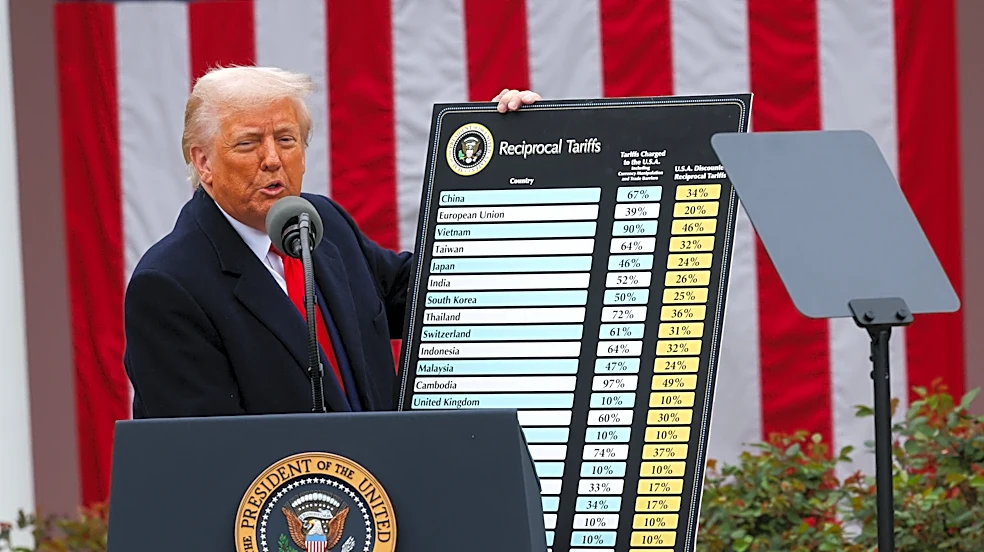
The shift in travel preferences, particularly the rise of solo female and multi-generational travel, reflects broader societal changes. Solo female travel signifies increasing independence and empowerment among women, while multi-generational trips highlight a desire for shared experiences and strengthening family bonds across different age groups. The report's emphasis on 'Fancy-flation'—travelers seeking destinations where their budget goes furthest—suggests a growing consumer savviness even within the luxury market, indicating a demand for perceived value alongside exclusivity. This trend could encourage destinations and providers to innovate in offering unique, high-quality experiences that justify premium pricing. The reported decline in Canadian trips to the U.S. for some travelers, attributed to political sentiments, underscores how geopolitical factors and national narratives can influence consumer behavior and cross-border tourism, potentially impacting economic ties beyond direct trade.