










What's Happening?
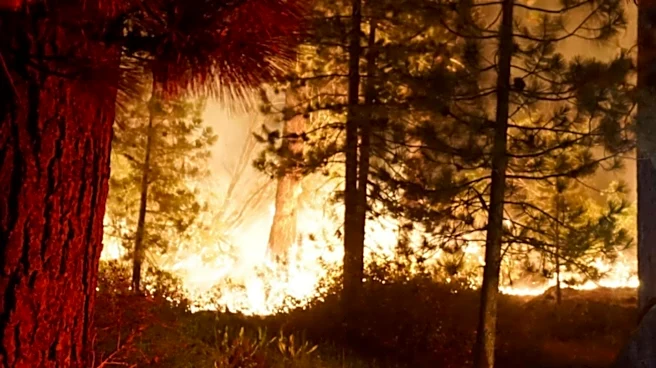
Utilities are increasingly facing scrutiny over their role in wildfires, with liability now extending beyond simple fault determination to include detailed operational records. As climate conditions worsen, utilities must demonstrate proactive risk management
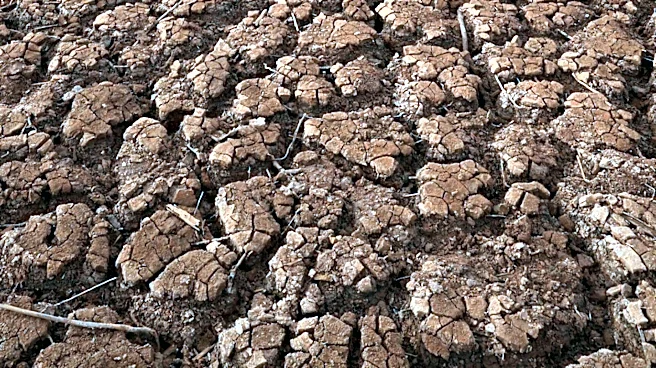
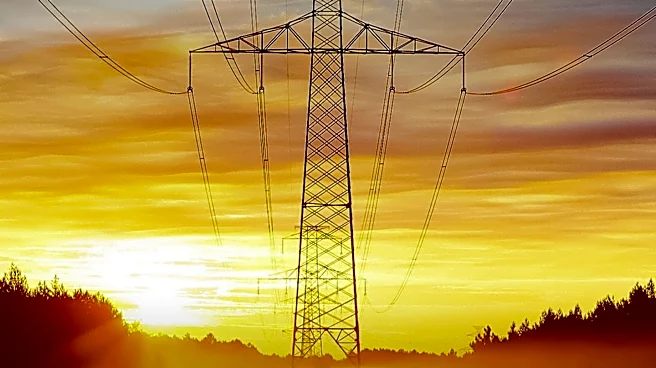
through data-driven oversight. This shift is driven by prolonged droughts, extreme heat, and aging infrastructure, which have heightened the risk of wildfires. Utilities are now expected to maintain comprehensive records of inspections, risk assessments, and maintenance actions. The integration of AI and data analytics is becoming crucial for utilities to manage these expectations and mitigate risks effectively.
Why It's Important?
The evolving nature of wildfire liability has significant implications for the utility industry. As regulators and insurers demand more detailed operational transparency, utilities must invest in advanced data management and AI technologies to meet these expectations. This shift not only impacts how utilities manage their infrastructure but also affects their financial stability, as failure to comply could lead to increased liability costs and legal challenges. The industry's ability to adapt to these new standards will be critical in maintaining operational resilience and protecting against potential existential threats posed by climate change.
What's Next?
Utilities are likely to continue investing in AI-driven inspection and data management systems to enhance their operational visibility and accountability. As the regulatory landscape evolves, utilities will need to demonstrate their ability to identify and address risks proactively. This may involve further integration of technology into their operations and increased collaboration with regulators to establish clear standards for data governance and risk management. The focus will be on creating a defensible record of asset management decisions to mitigate liability in the event of future wildfires.