







What's Happening?
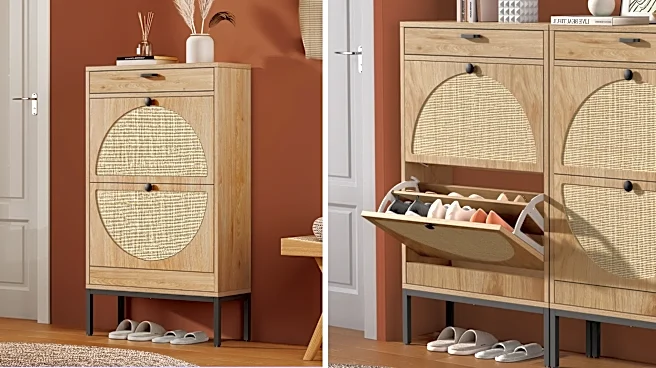
Feng shui, an ancient Chinese practice, offers principles for creating balanced and harmonious living spaces to promote health, prosperity, and peace. Key recommendations include maintaining order and cleanliness, particularly in the entrance area, which
is considered the 'business card' of the home and responsible for financial abundance. Clutter is seen as attracting negativity and hindering the flow of new opportunities. The practice also highlights the importance of water elements, such as aquariums or fountains, as strong activators of wealth. These water features should be well-maintained to prevent financial loss. Additionally, the kitchen, symbolizing the hearth and abundance, should avoid excessive use of red, black, or blue colors, and feature adequate peripheral and built-in lighting. The placement of artwork in specific sectors, like the northeast for study zones, is also advised, while avoiding placement above the bed. Overall, feng shui emphasizes intentional space arrangement and energy flow to influence well-being.
Why It's Important?
The application of feng shui principles can significantly impact an individual's living environment, potentially fostering a sense of calm, improving mental clarity, and promoting emotional stability. By focusing on decluttering and intentional design, individuals may experience a reduction in stress and an increase in positive energy within their homes. The emphasis on maintaining clean and well-lit spaces, particularly at the entrance, can create a more welcoming atmosphere, which can subtly influence social interactions and personal outlook. The strategic use of elements like water, believed to activate wealth, offers a psychological and aesthetic approach to financial well-being, encouraging a mindset of abundance. While not scientifically proven, the practice provides a structured framework for organizing and enhancing living spaces, which can lead to tangible improvements in daily life and overall satisfaction.
What's Next?
Individuals interested in applying feng shui principles can begin by decluttering their homes, focusing on removing old and unnecessary items to create space for new energy. Attention should be given to the entrance area, ensuring it is clean, spacious, and well-lit. Incorporating water elements, such as a small fountain or an aquarium, in appropriate areas can be a next step, ensuring they are kept in perfect condition. For kitchens, adjusting color palettes to avoid excessive red, black, or blue, and enhancing lighting, can be considered. Further steps might involve arranging furniture to create balance and flow, and incorporating specific colors or plants believed to attract desired energies, such as green for wealth or red for love. Continuous maintenance and mindfulness in space arrangement will be crucial for sustaining the positive effects of feng shui.
Beyond the Headlines
Beyond the immediate benefits of a well-organized home, feng shui delves into deeper psychological and cultural dimensions. The practice encourages a mindful approach to one's environment, fostering a connection between physical surroundings and inner well-being. The act of decluttering, for instance, can be a metaphor for clearing mental and emotional baggage, leading to a sense of liberation and readiness for new experiences. The symbolic language of feng shui, where elements like water represent wealth and specific colors evoke emotions, taps into universal human associations and cultural beliefs about prosperity and harmony. This holistic approach suggests that by consciously shaping our external spaces, we can influence our internal states and attract desired outcomes, highlighting the profound impact of environment on human psychology and spiritual well-being. It underscores the idea that our homes are not just shelters but extensions of ourselves, reflecting and influencing our lives.