




What's Happening?
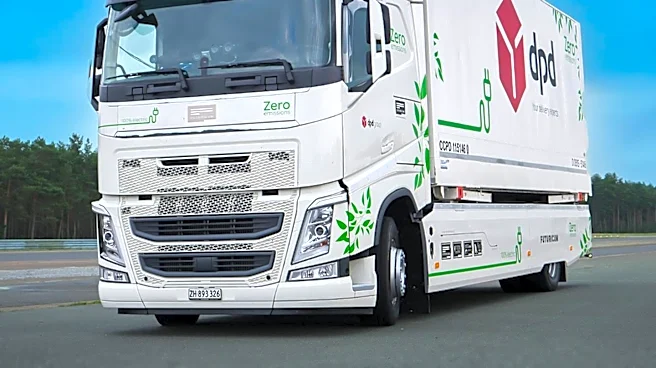
Deutsche Post DHL Group is significantly expanding its electric vehicle fleet by adding 25 KAMAG ePrecisionMover (ePM) units from TII KAMAG. These battery-electric vehicles are specifically designed for use in parcel distribution centers across Germany.
Their primary function is to transport swap bodies, which are detachable freight containers commonly utilized in European road and rail logistics, between loading docks, ramps, and staging areas. The integration of this new equipment will be phased in gradually at various DHL facilities, particularly those characterized by high cargo volumes and demanding operational schedules that necessitate efficient vehicle movement and minimal downtime. This initiative builds upon a long-standing partnership between DHL and KAMAG, which began in 1995 when DHL became the inaugural customer for KAMAG's swap body mover. The KAMAG ePM units feature a hydraulic lifting system for quick container handling and an electric drivetrain that ensures zero tailpipe emissions, reduced noise levels, and lower maintenance requirements compared to traditional diesel-powered alternatives. These vehicles are engineered for continuous, multi-shift operations, with battery charging capabilities designed to integrate seamlessly into existing workflows, including opportunity charging during scheduled breaks.
Why It's Important?
This expansion of DHL's electric vehicle fleet is a crucial step in the company's sustainability strategy, directly addressing the reduction of CO2 emissions in its yard logistics operations. By investing in high-performance, emission-free solutions like the KAMAG ePM, DHL is setting a precedent for environmental responsibility within the logistics sector. The adoption of electric vehicles contributes to improved air quality in and around distribution centers, benefiting local communities and employee health. Furthermore, the reduced noise levels of electric drivetrains create a more favorable working environment. From an operational standpoint, the lower maintenance requirements of electric vehicles can lead to cost savings and increased uptime, enhancing overall efficiency. This move also signals a broader industry trend towards electrification in logistics, potentially influencing other major players to accelerate their own transitions to sustainable practices. The long-term partnership with KAMAG underscores a commitment to proven, reliable technology in this green transition, demonstrating that environmental goals can be met without compromising operational demands.
What's Next?
The gradual introduction of the 25 KAMAG ePrecisionMover units across DHL's German facilities will involve careful integration into existing operational workflows. This phased approach will allow DHL to optimize the deployment and utilization of these new electric vehicles, ensuring a smooth transition and maximizing their efficiency. The company will likely monitor key performance indicators such as CO2 emission reductions, operational uptime, maintenance costs, and overall efficiency to assess the success of this expansion. Based on these evaluations, DHL may consider further expanding its electric vehicle fleet in Germany and potentially in other regions, extending its sustainability efforts globally. This initiative could also spur further innovation in electric logistics vehicle technology, as manufacturers like TII KAMAG continue to develop solutions that meet the evolving demands of large-scale logistics operations. Other logistics companies will likely observe DHL's progress, potentially accelerating their own investments in electric yard logistics to remain competitive and meet growing environmental expectations.
Beyond the Headlines
This strategic investment by DHL extends beyond mere fleet expansion; it represents a significant commitment to decarbonizing the logistics industry's 'last mile' and internal yard operations. While much attention is often given to long-haul transportation, the electrification of ground support equipment at distribution centers is equally vital for achieving comprehensive emissions reductions. This move highlights the increasing pressure on global corporations to adopt sustainable practices, driven by both regulatory mandates and consumer demand for environmentally responsible services. The partnership with KAMAG, spanning decades, also illustrates the importance of long-term collaborations in developing and implementing innovative green technologies. This initiative could serve as a blueprint for other industries facing similar challenges in electrifying their operational infrastructure, demonstrating that substantial environmental benefits can be achieved through targeted investments in specialized electric vehicles. It also underscores a shift in corporate responsibility, where sustainability is no longer just a marketing tool but a core component of operational strategy and long-term business viability.