


What's Happening?
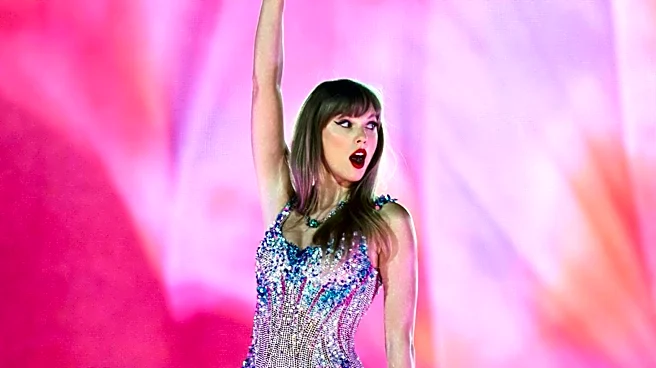
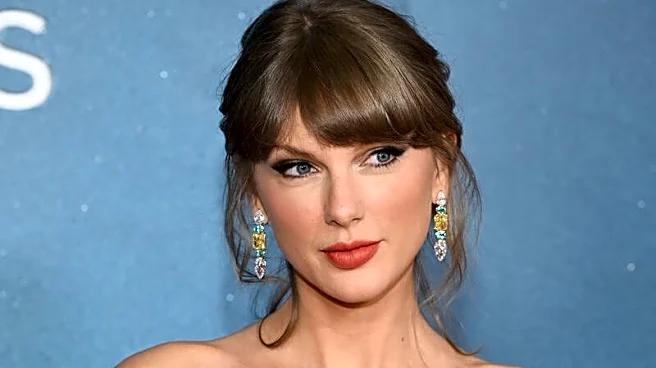
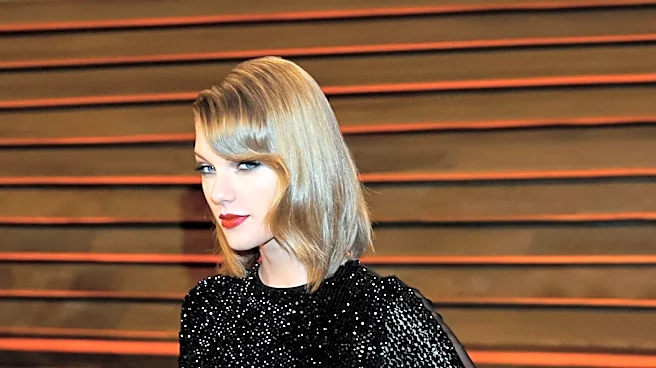
Taylor Swift has been heavily criticized in a viral Vanity Fair article, which anonymously sourced former classmates and acquaintances who likened her to 'Regina George,' the antagonist from 'Mean Girls.' The piece, published Monday, refers to Swift as 'The
Mastermind' and 'The Star,' juxtaposing her public image with an alleged 'B Side' reality. Sources described Swift as 'controlling and manipulative,' 'punitive,' and someone who 'loves to smack people in the head' figuratively. The article also detailed alleged feuds with other celebrities, including Katy Perry, Olivia Rodrigo, and Charli XCX, and claimed Swift intentionally discourages collaborations with her rivals. Former classmates reportedly called her 'one of the bullies' and 'always part of the popular crowd,' contradicting her past claims of sitting alone at lunch. The piece also critiqued her relationship with Travis Kelce.
Why It's Important?
This Vanity Fair article is significant because it presents a starkly negative portrayal of Taylor Swift, challenging her carefully cultivated public image as a supportive and relatable artist. Such a high-profile critique from a major publication can influence public perception, potentially alienating some fans and fueling existing criticisms. The anonymous nature of the sources, while common in such pieces, also adds a layer of intrigue and speculation. For the entertainment industry, it highlights the intense scrutiny celebrities face and the constant battle to control their narratives. The article's widespread discussion indicates its immediate impact on cultural conversations surrounding celebrity behavior, authenticity, and the media's role in shaping public opinion.
What's Next?
The Vanity Fair article is likely to generate extensive discussion across social media, fan forums, and entertainment news outlets. Swift's fanbase, known as 'Swifties,' may rally in her defense, while critics could use the piece to reinforce their arguments. It remains to be seen if Swift or her representatives will issue a direct response to the allegations. The article could also prompt other media outlets to re-examine Swift's public persona and past interactions. Depending on the sustained impact, it might influence future public appearances, interviews, or even the themes in her upcoming music, as artists often respond to public perception through their work. The long-term effect on her brand and career will depend on how the narrative evolves and how she chooses to address or ignore these criticisms.
Beyond the Headlines
This article delves into deeper themes concerning celebrity culture, media ethics, and the construction of public personas. The anonymous sourcing raises questions about journalistic practices and the potential for bias or personal vendettas to influence narratives. It also highlights the inherent tension between an artist's carefully crafted image and the often-unflattering perspectives of those who have known them. The 'Regina George' comparison taps into a broader cultural archetype of the popular, yet potentially cruel, figure, inviting audiences to re-evaluate their perceptions of powerful women in the public eye. Ultimately, the piece contributes to an ongoing dialogue about authenticity, power dynamics, and accountability within the celebrity ecosystem, prompting reflection on how society judges and consumes the lives of public figures.