




What's Happening?
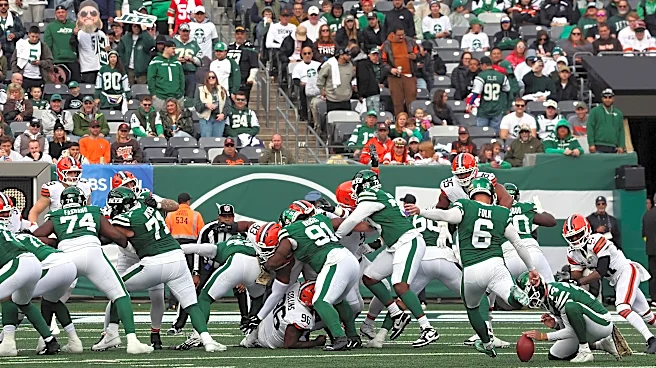
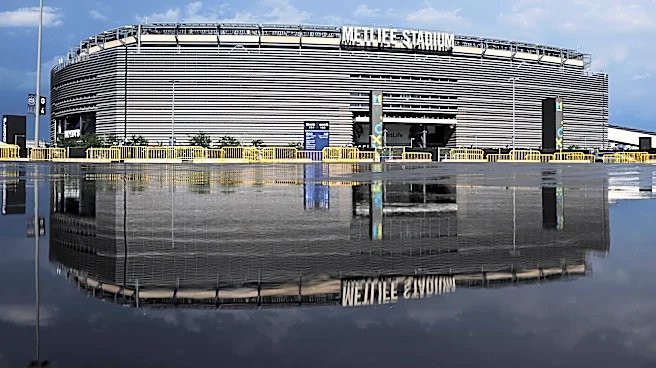
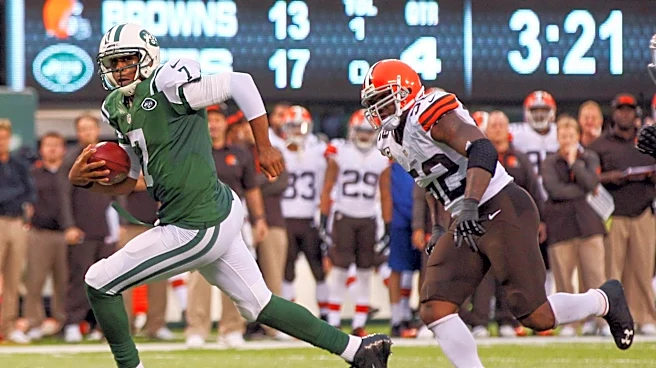
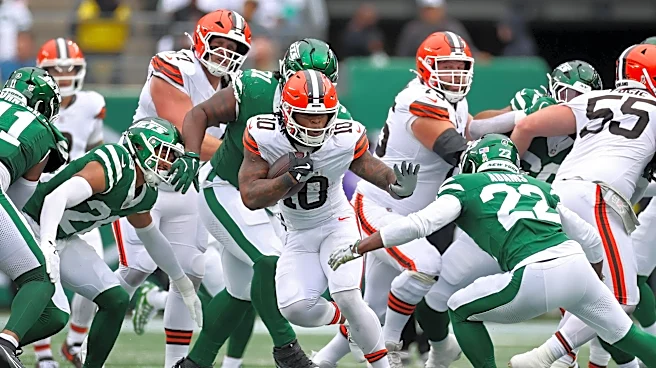
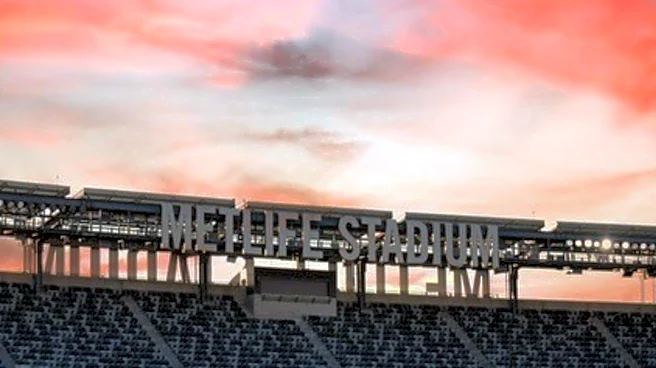
MetLife Stadium, an open-air, multi-purpose venue in East Rutherford, New Jersey, continues to be a premier destination for large-scale events. Opened in 2010 on the site of the former Giants Stadium, it is jointly owned and operated by the New York Giants and New York Jets.
The stadium has a seating capacity of approximately 82,500 for football, which can expand to around 87,000 for other events like soccer and concerts. It has previously hosted Super Bowl XLVIII in February 2014 and WrestleMania 29 in 2013. The venue is also a regular stop for major musical tours, having featured artists such as Taylor Swift, Beyoncé, Bruce Springsteen, U2, Metallica, One Direction, and BTS. Looking ahead, MetLife Stadium is slated to be a host venue for the 2026 FIFA World Cup, including the tournament final, where it will be temporarily known as New York New Jersey Stadium. The stadium's location in the Meadowlands Sports Complex, just across the Hudson River from Manhattan, makes it accessible via the Meadowlands Rail Line from Secaucus Junction and NJ Transit bus services from the Port Authority Bus Terminal.
Why It's Important?
MetLife Stadium's role as a major event hub significantly impacts the regional economy and cultural landscape of the New York metropolitan area. Its ability to host high-profile sporting events like the Super Bowl and the upcoming FIFA World Cup final, alongside major concerts, draws hundreds of thousands of visitors, generating substantial revenue for local businesses, hospitality services, and transportation networks. The continuous influx of large-scale events reinforces the region's status as a global entertainment and sports capital. For the New York Giants and New York Jets, sharing the stadium optimizes operational costs and maximizes venue utilization, making it a central component of their business models. The stadium's advanced infrastructure and capacity for diverse events also provide a competitive advantage in attracting future national and international spectacles, further solidifying its economic and cultural importance to the U.S. Northeast.
What's Next?
With the 2026 FIFA World Cup final on the horizon, MetLife Stadium will undergo preparations to accommodate the global event, including operating under the temporary name New York New Jersey Stadium. This will involve significant logistical planning for international visitors, security enhancements, and potential infrastructure adjustments to meet FIFA's standards. Event organizers and local authorities will focus on optimizing transportation, accommodation, and public services to manage the expected surge in attendance. Beyond the World Cup, the stadium will continue to host NFL games for the Giants and Jets, as well as a steady schedule of major concerts and other sporting events. The ongoing management will involve adapting security protocols, such as the NFL's clear-bag policy, and refining entry procedures to ensure efficient and safe experiences for attendees. Ticket pricing will continue to vary based on event type, demand, and seating sections, with early purchasing often recommended for high-demand events.
Beyond the Headlines
The sustained success of MetLife Stadium as a multi-purpose venue highlights broader trends in the sports and entertainment industries, particularly the increasing demand for large-scale, immersive experiences. The stadium's design and operational flexibility allow it to transition seamlessly between different event types, maximizing its utility and revenue potential. This model of shared ownership and multi-functional use is a significant development in stadium economics, demonstrating how major sports franchises can collaborate to create a dominant regional asset. Furthermore, the selection of MetLife Stadium for the FIFA World Cup final underscores the growing global appeal of soccer in the U.S. and the country's capacity to host mega-events. This not only boosts national pride but also fosters cultural exchange and tourism, positioning the U.S. as a prime destination for international sporting spectacles. The economic ripple effects extend beyond direct event spending, influencing real estate development, job creation, and the overall branding of the New York-New Jersey region.