








What's Happening?
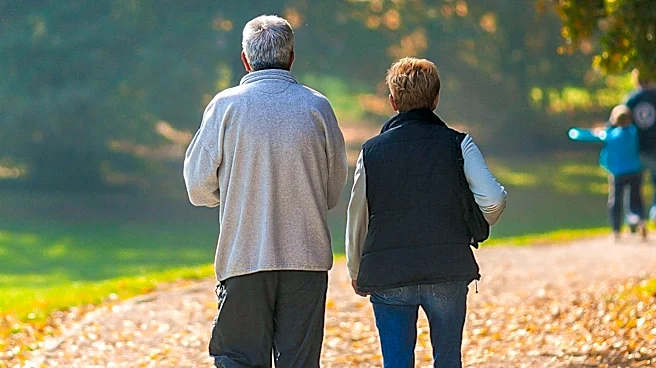
Ludgina Dieujuste, a running and WalkFit walking coach, is challenging the perception that walking is not an effective workout. She emphasizes that walking is an accessible way to begin exercising for those new to fitness, individuals building up their
fitness gradually, or those with limited mobility. Dieujuste also notes that walking serves as an excellent complement to other forms of exercise. According to Dieujuste, walking can improve joint mobility, balance, and breathing, while offering a low-impact method to stay active. Furthermore, she highlights the significant mental health and well-being benefits, explaining that getting outdoors for a walk provides an opportunity to enjoy fresh air, clear one's mind, and alleviate daily stress. Loughborough University data indicates that the average UK person spends only 7% of their time, or 86 minutes, outdoors during the working week, underscoring the value of finding more opportunities for outdoor activity. Dieujuste recommends incorporating walking workouts into daily routines, even suggesting that short sessions of 15-20 minutes can be beneficial and easier to maintain for those with busy lifestyles.
Why It's Important?
The emphasis on walking as a viable and effective form of exercise holds significant importance for public health initiatives in the U.S. In a society where sedentary lifestyles are increasingly common, promoting accessible and low-impact activities like walking can encourage broader participation in physical activity. This approach can help address rising concerns about chronic diseases linked to inactivity, such as cardiovascular issues and obesity. By highlighting walking's benefits for joint mobility, balance, and breathing, Dieujuste's insights can empower individuals of all ages and fitness levels to improve their physical health. Moreover, the focus on mental health benefits, such as stress reduction and mood improvement, is particularly relevant given the growing awareness of mental health challenges across the U.S. Encouraging outdoor walks can provide a simple yet effective tool for mental well-being, potentially reducing the burden on healthcare systems and improving overall quality of life. The accessibility of walking, requiring minimal equipment and no special facilities, makes it a practical solution for many Americans seeking to integrate more activity into their busy schedules.
What's Next?
The insights from Ludgina Dieujuste could influence public health campaigns and fitness programs in the U.S., potentially leading to increased promotion of walking as a primary form of exercise. Fitness apps and wearable technology companies might further integrate guided walking workouts, similar to the Japanese walking or 12-3-30 routines mentioned, to cater to a wider audience seeking structured, time-efficient exercise. Educational institutions and workplaces could also adopt initiatives that encourage walking breaks or incorporate walking challenges to improve employee and student well-being. As awareness grows, there may be a greater demand for urban planning that prioritizes pedestrian-friendly infrastructure, such as more walking paths, green spaces, and safe sidewalks, to facilitate easier access to outdoor walking opportunities. This shift could also lead to increased research into the long-term health and economic impacts of widespread walking adoption, further solidifying its role in national health strategies.
Beyond the Headlines
The promotion of walking as a significant form of exercise touches upon deeper societal implications beyond immediate health benefits. It challenges the prevailing notion that effective workouts must be high-intensity or require specialized equipment and gym memberships, thereby democratizing fitness. This perspective can reduce barriers to entry for individuals from diverse socioeconomic backgrounds, making health and wellness more attainable. Ethically, advocating for walking aligns with principles of preventive healthcare, shifting focus from treating illness to promoting well-being and disease prevention. Culturally, it could foster a greater appreciation for outdoor spaces and community engagement, as walking often encourages interaction with one's environment and neighbors. Long-term, a societal embrace of walking could lead to more sustainable urban development, reduced reliance on vehicular transport for short distances, and a healthier, more connected populace, ultimately contributing to a more resilient and vibrant society.