
What's Happening?
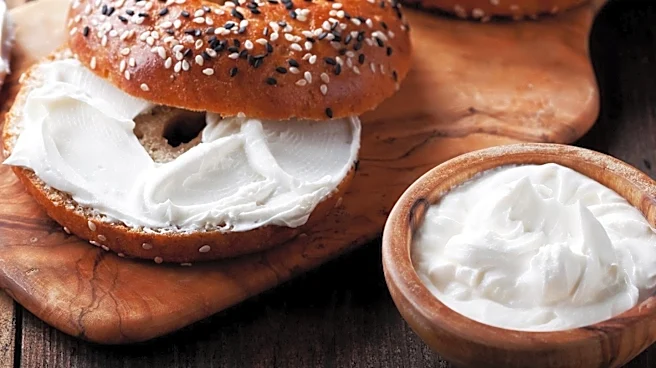
A simple culinary technique involves adding cream cheese to scrambled eggs to achieve a richer and creamier consistency. This method, which has been a family tradition for some, suggests cutting two tablespoons
of cream cheese into small pieces for every two eggs. The process involves heating a nonstick pan over medium-low heat with a pat of butter, whisking the eggs with a pinch of salt, and then pouring them into the pan. As the eggs begin to set, the cream cheese pieces are scattered over the top. The mixture is then gently stirred with a silicone spatula until soft, moist curds form and the eggs are just set. Removing the eggs from the heat before they are completely done is crucial, as residual heat will continue to cook them. Cream cheese contributes both fat and moisture, which are key to its tenderizing effect, melting into the curds as the eggs cook. This differs from an omelet, where fillings are typically tucked inside, by distributing the richness throughout the scrambled eggs.
Why It's Important?
This culinary tip offers a practical and accessible way for home cooks to elevate a common breakfast staple. By incorporating an ingredient often readily available in refrigerators, individuals can significantly improve the texture and richness of their scrambled eggs without requiring specialized skills or expensive ingredients. The technique highlights the importance of fat and moisture in cooking eggs, providing a tangible example of how these elements contribute to desired culinary outcomes. For those seeking to enhance their cooking repertoire, this simple addition can transform a basic dish into a more luxurious experience. It also underscores the value of traditional cooking methods and family recipes in discovering effective culinary hacks that can be widely adopted. The emphasis on gentle cooking and timely removal from heat further educates on best practices for egg preparation, preventing overcooking and ensuring optimal tenderness.
What's Next?
Home cooks are encouraged to experiment with this technique to discover their preferred ratio of cream cheese to eggs and to adjust seasoning to taste. Further exploration could involve trying different types of cream cheese, such as flavored varieties, to introduce new dimensions to the dish. The method can also inspire individuals to consider other dairy products or fats that might similarly enhance egg dishes. Culinary enthusiasts might share their experiences and variations online, fostering a community around simple yet effective cooking improvements. Additionally, this tip could be incorporated into cooking classes or recipe blogs, reaching a broader audience interested in practical and delicious breakfast solutions. The focus on gentle cooking and the role of residual heat can also be applied to other delicate dishes, promoting a deeper understanding of cooking principles.
Beyond the Headlines
The simple act of adding cream cheese to scrambled eggs touches upon broader themes of culinary innovation and the evolution of home cooking. It demonstrates how traditional ingredients can be repurposed in unexpected ways to create new sensory experiences. This approach challenges the notion that gourmet cooking requires complex ingredients or techniques, instead emphasizing the impact of small, thoughtful additions. Ethically, it promotes resourcefulness and minimizes food waste by utilizing common household items. Culturally, such tips often spread through word-of-mouth or online communities, reflecting a shared human desire for comfort food and culinary excellence. The emphasis on texture and richness also speaks to the psychological satisfaction derived from food, where mouthfeel plays a significant role in overall enjoyment. This seemingly minor adjustment in a breakfast routine can contribute to a greater appreciation for the nuances of cooking and the joy of creating delicious meals at home.