





What's Happening?
The Seattle Mariners' recent managerial hiring process has been described as 'far from typical' by Ken Rosenthal of The Athletic, primarily due to the involvement of players in the final interview stages. While player input in such decisions is generally
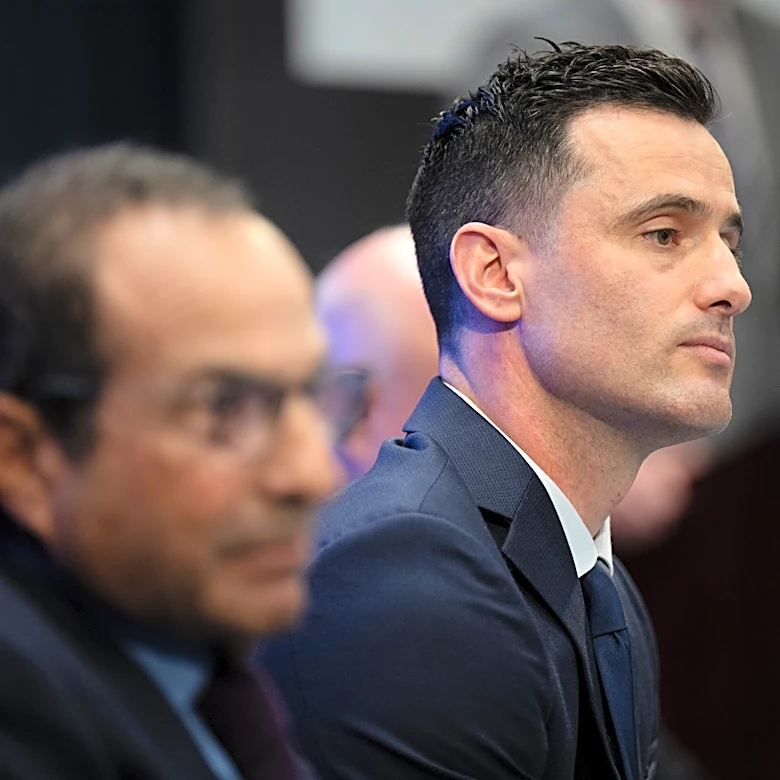
uncommon in MLB, a select group of veteran Mariners players, identified as clubhouse leaders, participated in the interviews. This involvement was previously reported by ESPN MLB Insider Jeff Passan, who noted that players met with candidates. The Mariners ultimately hired 36-year-old Jason Kanzler, an outside-the-box candidate. The decision to include players has sparked discussion regarding potential implications for team dynamics and managerial authority, though some argue it reflects a growing trend of player empowerment seen in other professional sports leagues like the NFL and NBA. The specific players involved have not been publicly disclosed, but it is presumed they are those with long-term contracts, indicating a vested interest in the team's future.
Why It's Important?
The Mariners' approach to their managerial search could set a precedent within Major League Baseball, potentially influencing how other franchises conduct future hiring processes. This move signifies a shift towards greater player empowerment, a trend that has gained traction in other major sports leagues. While it could foster a more collaborative environment and ensure the new manager aligns with key players' visions, it also raises concerns about potential power imbalances. A manager might feel indebted to the players who helped secure their position, or players might feel entitled, potentially undermining managerial authority. The long-term contracts of players like Cal Raleigh and Julio Rodriguez suggest the organization values their sustained investment in the team's success, making their input strategically relevant. This could lead to a more unified clubhouse, or conversely, create divisions if player opinions are not uniformly considered or if the manager struggles to assert authority.
What's Next?
The long-term effects of the Seattle Mariners' player-inclusive managerial hiring process will likely unfold over the upcoming seasons. The performance of the newly appointed manager, Jason Kanzler, and the team's overall chemistry will be closely watched to assess the success of this unconventional approach. Other MLB teams may observe the Mariners' experience to determine if integrating player input into significant organizational decisions is a viable strategy. If the Mariners achieve sustained success and a harmonious clubhouse, it could encourage other franchises to adopt similar methods, further empowering players in team operations. Conversely, if challenges arise, it might reinforce traditional hiring practices where player input is minimal. The ongoing discussion around player empowerment in professional sports suggests that this trend, whether successful or not for the Mariners, will continue to be a topic of interest across leagues.
Beyond the Headlines
The Mariners' decision to involve players in the managerial search touches upon broader themes of organizational culture and leadership in professional sports. It challenges the traditional hierarchical structure where management makes unilateral decisions, moving towards a more inclusive, stakeholder-driven model. This could reflect a generational shift in how athletes view their roles, moving beyond mere performers to active participants in shaping their team's future. Ethically, it raises questions about fairness and potential biases if only a select group of players is consulted, potentially marginalizing others. Legally, while not directly impacting contracts, it could subtly shift the power dynamics in future negotiations if players feel they have a greater say in team direction. Culturally, it signifies a potential evolution in the athlete-management relationship, emphasizing collaboration and shared ownership, which could have long-term implications for player retention, team loyalty, and overall league dynamics.