






What's Happening?
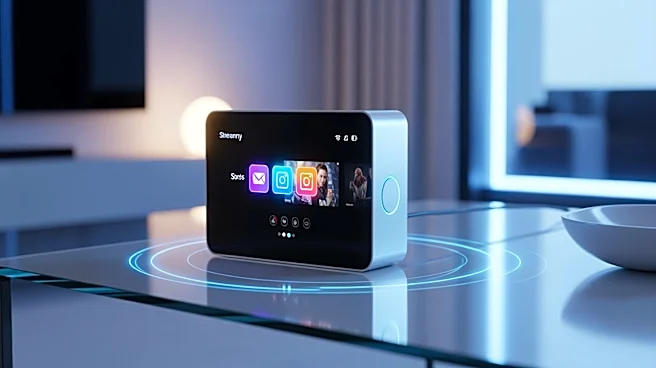
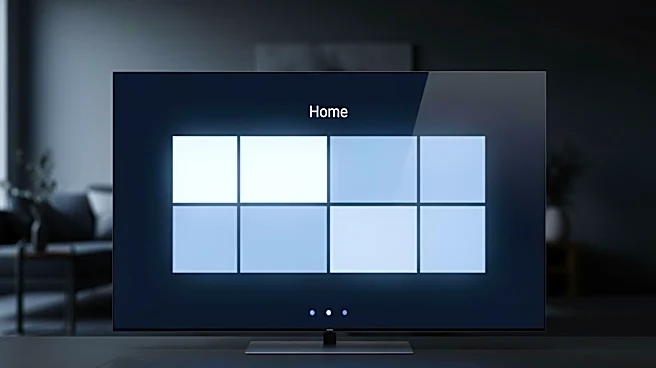
Roku is undergoing significant changes by standardizing the home screen interface across its TV models, including those from major manufacturers like TCL. This move replaces the previously customized designs that each brand developed independently, with
a uniform Roku platform experience. The new interface features the familiar Roku City backdrop in signature purple hues, providing a consistent visual presentation while retaining minimal brand-specific markers. This change aims to reduce confusion for users who own multiple Roku TVs from different brands, as they will now encounter an identical layout and color scheme. The standardization also allows for more efficient software updates and reinforces brand recognition.
Why It's Important?
The standardization of Roku's home screen interface is significant for both consumers and the company. For users, it simplifies navigation and content discovery by providing a consistent experience across different TV brands. This uniformity can enhance user satisfaction and loyalty to the Roku platform. For Roku, the move allows for streamlined software development and updates, as developers can focus on a single interface rather than accommodating various proprietary designs. This could lead to improved features and functionalities in the future. Additionally, the consistent interface strengthens Roku's brand identity, making it more recognizable and potentially increasing its market share in the competitive smart TV industry.
What's Next?
As manufacturers complete the transition to the standardized interface, existing Roku TV owners may notice changes following routine software updates or when purchasing newer models. The consistent interface is expected to enhance the overall reliability and polish of the Roku platform. Future enhancements could include expanded customization options within the shared framework or new interactive elements tied to the Roku City environment. This move signals potential for deeper integration between Roku and its manufacturing partners, which could lead to more refined smart television experiences that prioritize intuitive navigation and seamless content access.