


What's Happening?
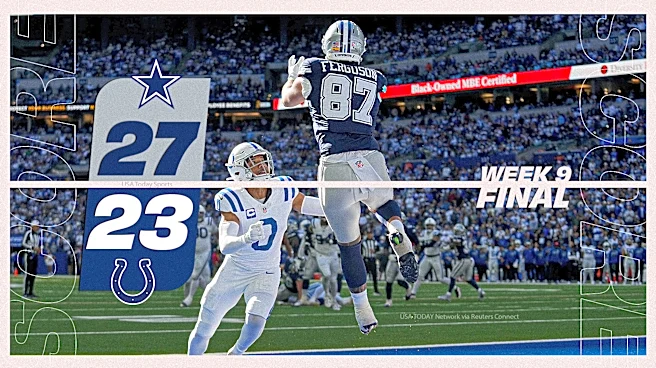
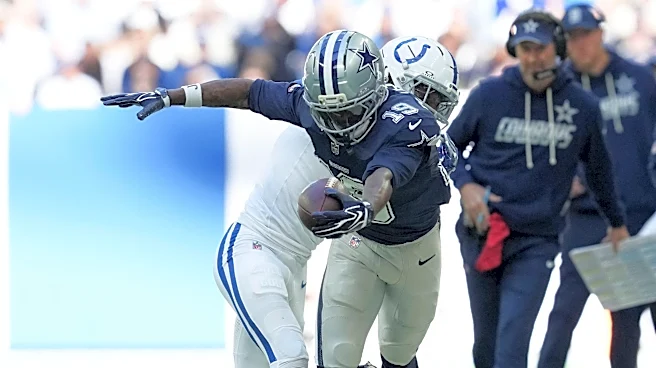
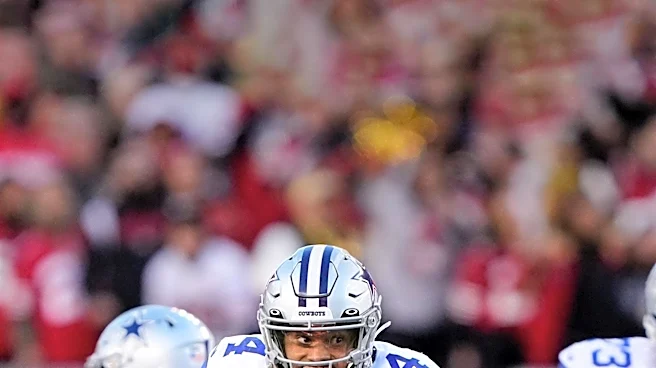
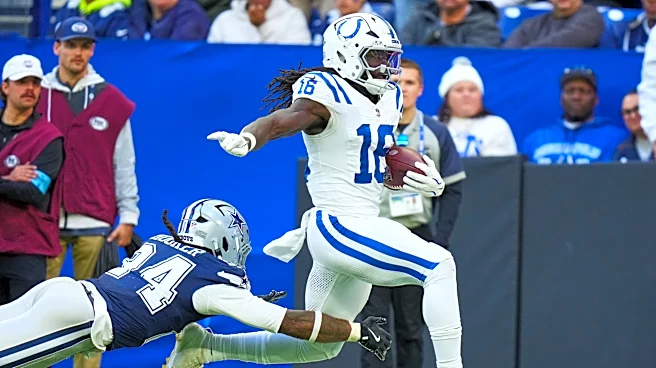
Dallas Cowboys owner Jerry Jones has definitively stated that the team has no intention of trading quarterback Dak Prescott, despite recent trade deadline chatter and the team's 4-5 record after a Week 9 win against the Indianapolis Colts. Jones addressed
these narratives during an appearance on 105.3 The Fan, emphasizing that trading Prescott has never been a viable option. Prescott's current contract, signed before the 2024 season, is a four-year, $240 million extension with $231 million in total guarantees and an $80 million signing bonus, locking him in through 2028. This deal includes strict no-trade, no-franchise-tag, and no-transition clauses, granting Prescott significant leverage over his future. Any hypothetical trade would require Prescott's explicit approval and selection of his destination, making a forced separation legally impossible. Furthermore, trading Prescott this season would incur substantial financial penalties, including $41.7 million in dead money on the 2026 salary cap and an additional $86.5 million on the 2027 cap.
Why It's Important?
Jerry Jones's unwavering commitment to Dak Prescott has significant implications for the Dallas Cowboys' strategic direction and financial planning. The substantial financial penalties associated with a potential trade, coupled with Prescott's contractual leverage, effectively tie the team to its current quarterback for the foreseeable future. This decision signals stability at the quarterback position but also limits the team's flexibility to pursue other high-profile quarterbacks or significantly reallocate salary cap resources. For fans and stakeholders, this means the Cowboys will continue to build around Prescott, focusing on improving the team's performance with him at the helm. The financial structure of Prescott's contract also highlights the increasing costs and complexities of managing star player contracts in the NFL, impacting how teams approach long-term roster construction and risk management.
What's Next?
With the trade deadline passed and Jerry Jones's firm stance, Dak Prescott will remain the Dallas Cowboys' starting quarterback for the remainder of the current season and likely for the duration of his contract. The team's focus will now shift entirely to improving its on-field performance and addressing other roster needs to contend for a championship. The financial implications of Prescott's contract will continue to influence future salary cap decisions and player acquisitions. The Cowboys' front office will need to strategically manage their limited draft capital, with only four selections in the 2027 NFL Draft, to bolster the team around Prescott. The ongoing debate surrounding Prescott's playoff record and the team's overall consistency will likely persist, placing continued pressure on both the quarterback and the coaching staff to deliver improved results.
Beyond the Headlines
The situation with Dak Prescott and the Dallas Cowboys extends beyond typical player-team dynamics, touching upon the evolving power balance between star athletes and franchises in professional sports. Prescott's contract, with its robust no-trade and no-tag clauses, exemplifies a growing trend where elite players secure unprecedented control over their careers. This shift can be seen as a double-edged sword: it provides players with security and autonomy but can also limit a team's ability to adapt quickly to changing circumstances or underperformance. The financial ramifications, particularly the dead cap money, underscore the intricate legal and financial engineering involved in modern sports contracts. This scenario could influence future contract negotiations across the league, as players and agents seek similar protections, potentially reshaping the landscape of team building and player mobility in the NFL.