







What's Happening?
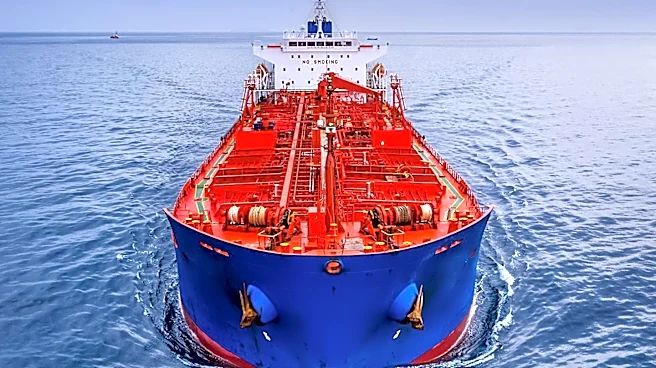
The maritime industry is witnessing significant advancements in hull coating technology, aimed at improving operational efficiency and reducing environmental impact. Companies like GIT Coatings and Jotun are leading the way with innovative solutions such
as self-polishing and fouling-release coatings. These technologies help reduce biofouling, which can increase fuel consumption and greenhouse gas emissions. GIT Coatings' graphene-based hard foul-release coating, XGIT-FORCE™, combined with proactive hull management, has demonstrated substantial fuel savings and efficiency improvements. Jotun's Hull Performance Solutions program focuses on active condition monitoring to prevent fouling, contributing to the industry's decarbonization efforts.
Why It's Important?
The development of advanced hull coatings is crucial for the maritime industry's efforts to meet international environmental regulations and reduce greenhouse gas emissions. Biofouling is a significant contributor to increased fuel consumption and emissions, and effective hull management can lead to substantial environmental and economic benefits. By adopting these technologies, shipowners can achieve compliance with regulatory standards, improve fuel efficiency, and reduce operational costs. This aligns with global sustainability goals and supports the industry's transition towards greener practices.
Beyond the Headlines
The shift towards environmentally friendly hull coatings reflects a broader trend in the maritime industry towards sustainability and innovation. These advancements not only address immediate operational challenges but also contribute to long-term environmental goals. The integration of data analytics and proactive management in hull performance solutions highlights the increasing role of technology in optimizing maritime operations. As the industry continues to evolve, partnerships and collaborations will be essential in driving further innovation and achieving zero harm to the marine environment.