





What's Happening?
The Association of Equipment Manufacturers (AEM) has announced the appointment of Kurt Coffey, Vice President, North America Agriculture Marketing at CNH, as the Chair of its Board of Directors for 2027. Coffey will assume this leadership role on January
1, 2027. The AEM also unveiled its full slate of officers and directors for 2027, comprising leaders from various companies within the equipment manufacturing industry. These appointments come at a critical juncture for the industry, which is navigating shifting market conditions, workforce challenges, rapid technological advancements, and policy decisions that directly impact competitiveness and growth. Megan Tanel, President and CEO of AEM, highlighted Coffey's deep understanding of the industry and his practical experience as key assets for his new role. The new board will focus on advancing AEM's initiatives in public policy, workforce development, industry research, market intelligence, and trade shows.
Why It's Important?
The leadership changes at the Association of Equipment Manufacturers are significant for the U.S. equipment manufacturing sector, an industry that supports over 2.2 million jobs and contributes $415 billion to the U.S. economy annually. The new board, under Kurt Coffey's leadership, will play a crucial role in shaping the industry's response to ongoing challenges such as supply chain disruptions, labor shortages, and the integration of new technologies like automation and artificial intelligence. Their work in public policy advocacy will directly influence regulations and government support for manufacturing, impacting the operational environment for hundreds of companies. Furthermore, their focus on workforce development is vital for ensuring a skilled labor pool, which is essential for maintaining the industry's competitiveness and fostering innovation within the U.S. manufacturing landscape. The decisions made by this board will affect the economic stability and growth prospects of numerous businesses and their employees across the nation.
What's Next?
The new AEM board leadership will officially begin their terms on January 1, 2027. Their immediate focus will likely involve addressing the pressing issues identified by the AEM, including navigating market shifts, tackling workforce challenges, and adapting to rapid technological advancements. The board is expected to prioritize public policy initiatives to advocate for favorable conditions for equipment manufacturers, potentially influencing legislative agendas related to trade, infrastructure, and manufacturing incentives. Additionally, efforts in workforce development will continue, possibly through new training programs or partnerships to address skill gaps. The AEM's industry-leading trade shows and events will also be a key area, serving as platforms for showcasing innovation and fostering business connections. Stakeholders, including member companies, policymakers, and industry partners, will be closely watching the board's strategic direction and its impact on the sector's resilience and growth.
Beyond the Headlines
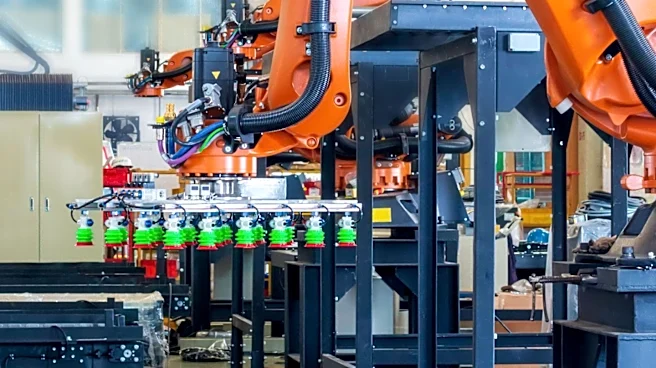
Beyond the immediate operational and policy implications, the appointment of new leadership at AEM reflects broader trends in the U.S. manufacturing sector. The emphasis on addressing technological advancements suggests a strategic pivot towards integrating more sophisticated digital and automated solutions, which could redefine job roles and skill requirements within the industry. This shift also raises questions about the ethical implications of automation on employment and the need for robust reskilling initiatives. The focus on public policy underscores the increasing interdependence between industry and government, particularly in areas like trade and environmental regulations, which can significantly impact global competitiveness. Furthermore, the AEM's role in fostering industry research and market intelligence highlights the importance of data-driven decision-making in a rapidly evolving economic landscape, potentially leading to more resilient and adaptable manufacturing practices in the long term.